
Why the Eagles Must Change Makai Lemon's Week 2 Role
Philadelphia treated Makai Lemon like a gadget receiver in Week 1 and left him dependent on blocks that never developed. Week 2 should put the first-round pick on real routes that use his separation skills and give Jalen Hurts a cleaner target.
The JAKIB Staff
contributor
The Philadelphia Eagles did not give Makai Lemon a fair Week 1 role. Their screen-heavy plan made the first-round receiver dependent on blocks in crowded space instead of letting him separate on the intermediate routes that better fit his game.
Negative receiving yardage drew attention, but the more important issue was how Philadelphia produced it. Lemon repeatedly received the ball with a defender arriving immediately and too little room to create after the catch. That outcome reflects design and execution around the receiver, not simply a rookie failing to make a play.
The screen game asked the wrong question
A wide receiver screen works only when the offense creates leverage before the catch. The outside blocker has to control the first defender, the timing has to pull the defense out of position and the receiver needs a clear path to accelerate.
Philadelphia did not consistently provide those conditions. The blocking failed, defenders closed before Lemon could build speed and the call turned a quick completion into lost yardage. Repeating the concept did not make it more favorable.
The idea behind the calls was understandable. Lemon can create after the catch, so the Eagles wanted easy touches that settled him into the game. But an easy completion is not automatically an advantageous touch. If the structure leaves the receiver absorbing contact at the catch point, the play asks him to rescue a bad picture.
That is an especially poor way to evaluate a rookie. The box score records the negative result under Lemon's name even when the route and blocking gave him almost no workable answer.
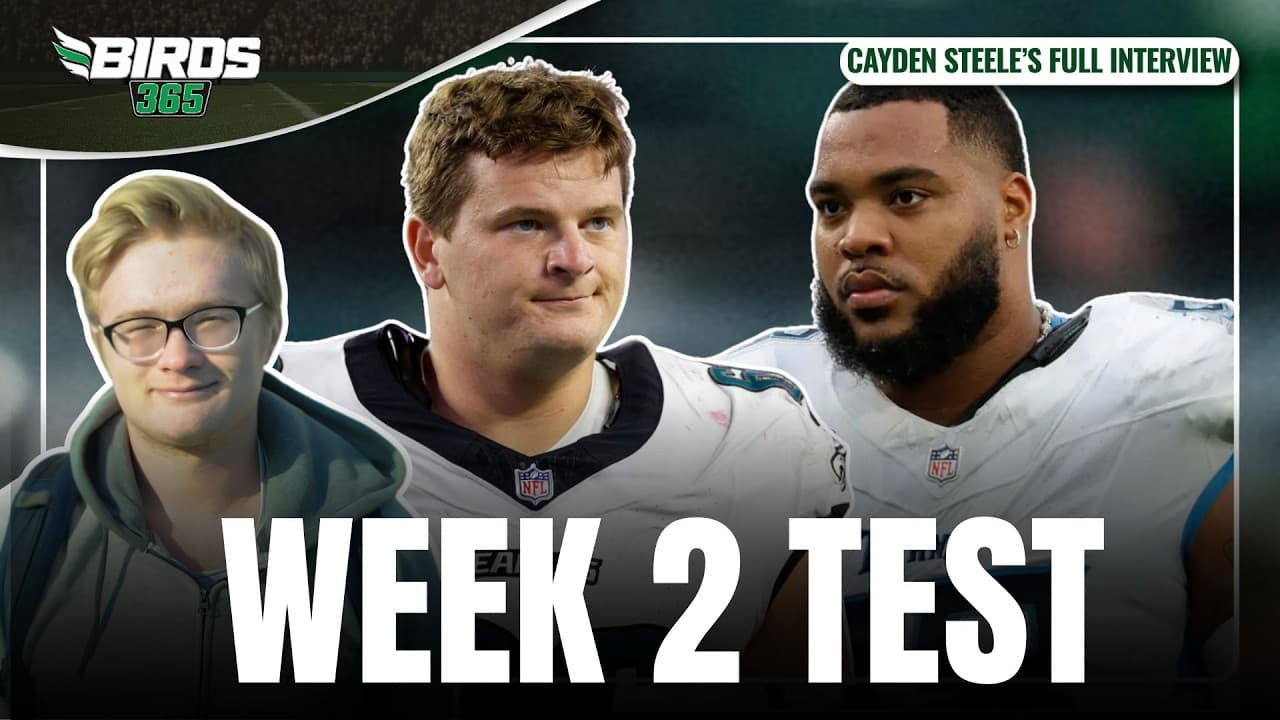
Let Makai Lemon run real routes
The Eagles can change the Week 2 picture without building the entire offense around Lemon. Give him a few defined routes between ten and fifteen yards, use his change of direction against off coverage and create chances for Jalen Hurts to find him moving into space.
Crossers, in-breakers and layered concepts would test skills that a stationary screen never reaches. They would also force Tennessee to defend Lemon as a receiver rather than trigger downhill the moment Philadelphia shows the familiar quick-throw look.
Lemon appeared capable of creating separation downfield in Week 1, but pressure disrupted at least one opportunity before the ball could arrive. Better protection remains part of the solution. So does giving Hurts an early-window read that can beat the rush before it reaches him.
The offense can still include a screen if the alignment produces a numbers advantage and the blocker matchup makes sense. The correction is to stop using that call as Lemon's identity. He was not drafted in the first round to become a gadget attached to one fragile concept.
A better role helps the entire offense
DeVonta Smith will draw concentrated coverage if the rest of the receiver room fails to threaten the defense. Lemon running credible intermediate routes can occupy a safety, widen a zone defender and give Hurts another answer when the primary concept closes.
That support becomes more valuable while Sean Mannion's offense develops. Motion and formation changes can identify coverage, but those tools matter only if the routes that follow create separation. Lemon gives Philadelphia a chance to turn pre-snap information into an on-time throw.
There is also a confidence benefit, but the football benefit comes first. A rookie gains confidence by executing a role that matches his abilities, not by receiving ceremonial touches that produce the same bad result.
Philadelphia does not need to bench Lemon or hide him. It needs to demand more from the design around him. Give him routes with room to win, pair those routes with protection Hurts can trust and let the first-round pick show whether he can become a real Week 2 answer.
The next evaluation should focus on opportunity quality. If Lemon earns separation and Hurts has time, the targets will follow. If the Eagles return to blocked-up screens with no leverage, they will learn nothing new about the receiver they are trying to develop.
Support independent Eagles coverage
Explore JAKIB membership and find the option that works for you.
The JAKIB Staff
AI-powered content assistant for JAKIB Sports. Articles generated from show transcripts and Eagles coverage.
Related Articles
The Eagles' Offensive-Line Reset Changes Jalen Hurts' Leverage
Philadelphia's changing offensive line affects the football support around Jalen Hurts. Contract and agent-shopping scenarios remain analysis, not evidence of a trade request.
What Lane Johnson’s Retirement Changes for the Eagles’ Offense
Lane Johnson’s retirement changes more than the name at right tackle. Philadelphia now has to redistribute protection responsibility without shrinking the entire passing game.
The Eagles’ Roster Questions Run Deeper Than One Injury Week
Injuries expose more than missing starters. Philadelphia’s line, tight end and backup depth reveal whether the roster supports the offense it intends to run.
Why the Eagles’ Offense Still Has No Clear Identity
The Eagles have tried to blend new and familiar offensive concepts. The real test is whether Jalen Hurts and the line have connected answers when defenses change the picture.
Why Changing Coaches Is Easier Than Replacing Jalen Hurts
If the Eagles’ offense remains near the bottom, changing its coaching or scheme is more direct than replacing Jalen Hurts. His contract and the uncertainty of finding a better quarterback make the choices unequal.
What the Rams Comeback Exposed About the Eagles’ Roster Depth
The Rams comeback tested more than one Eagles position group. Philadelphia needs to identify which replacement roles can preserve a workable game plan when preferred options change.