
Why Jalen Hurts' Overachiever Label Is a Strength, Not a Limitation
Calling Jalen Hurts an overachiever should describe the competitive habits that built his game, not impose a ceiling on it. Philadelphia's offense works best when it trusts his complete toolbox instead of forcing him into a narrower quarterback mold.
The JAKIB Staff
contributor
Calling Jalen Hurts an overachiever should be a compliment, not a coded way to limit the Philadelphia Eagles quarterback. His career has been built on expanding what evaluators thought he could do, and the offense is strongest when it treats that growth as a weapon instead of waiting for him to fit somebody else's prototype.
The relevant question is not whether Hurts wins like the idealized pocket passer. It is whether Philadelphia gives him enough control to combine timing, arm talent, movement and competitive judgment into a complete answer.
Overachievement describes the path, not the ceiling
The label often gets used as if effort and talent sit on opposite sides of the quarterback conversation. They do not. Overachievement means a player repeatedly turned doubt, imperfect conditions and developmental gaps into better football.
Hurts has already shown that the moment does not shrink him. His value appears when the original call works, but also when protection bends, the run game stalls or a third down demands a solution outside the diagram. That ability is not an escape from quarterbacking. It is part of his quarterbacking.
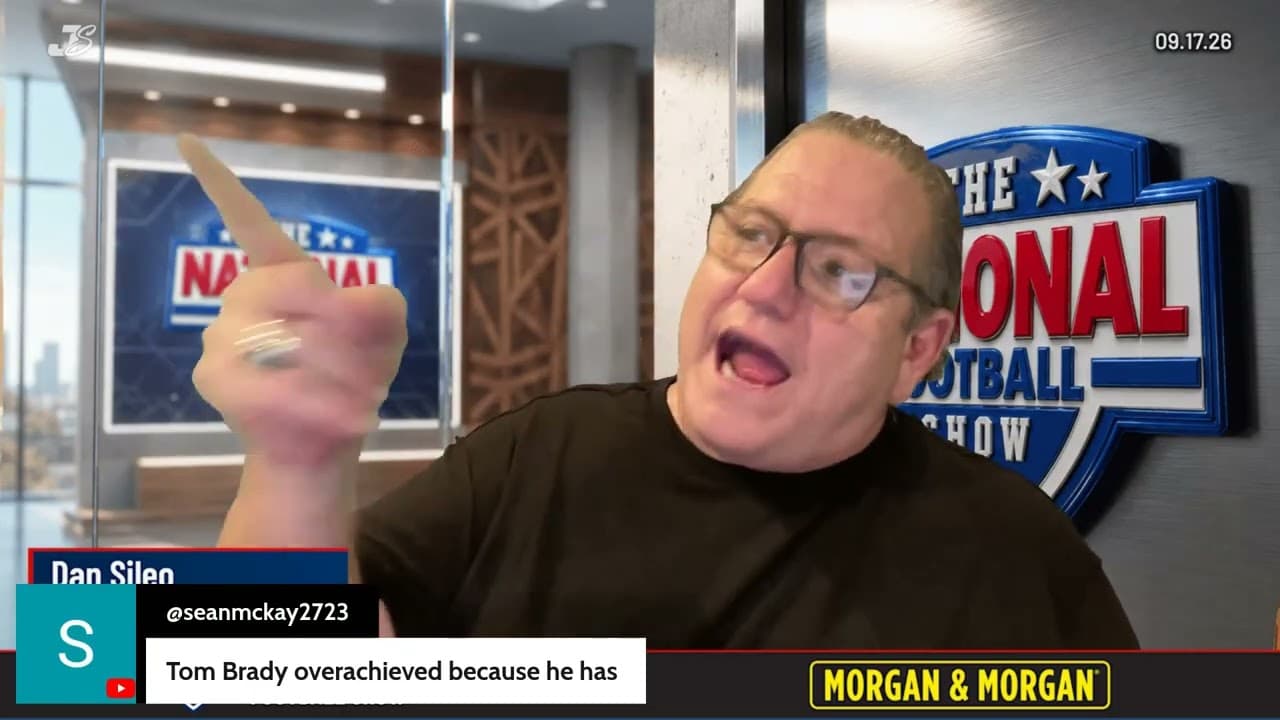
The National Football Show compared Hurts with other players who outgrew their original projections. The comparison matters because draft status and stylistic expectations can linger long after the player has supplied more useful evidence. Teams get in trouble when they keep coaching the old scouting report instead of the current athlete.
Philadelphia needs the full toolbox
Hurts does not have to choose between being a passer and being a runner. His legs change the defense's arithmetic, while his arm punishes the coverage adjustments created by that threat. Removing either part makes the other easier to defend.
That is especially important for an Eagles offense rebuilding its rhythm behind a changing interior line. A designed movement, a keeper or a scramble can slow an aggressive front. The threat can also open throwing lanes and force a second-level defender to hesitate. None of that excuses poor protection or an inconsistent run game, but it gives Sean Mannion a larger menu of answers.
The mistake would be treating movement as an emergency button. Philadelphia should build it into the weekly structure, then connect it to quick throws, middle-field concepts and selective deep shots. Hurts becomes harder to defend when every part of his game supports the next one.
That approach also respects the quarterback's decision-making. Some plays should end with the called throw. Others should give Hurts permission to reject a bad picture, escape pressure and turn a failing down into useful yardage. A rigid system would remove the trait that has rescued too many important possessions to dismiss.
The burden cannot become hero ball
Trusting Hurts does not mean asking him to repair every weakness. If the offensive line loses immediately, the run game produces empty early downs and receivers fail to separate, even a resourceful quarterback eventually runs out of clean choices.
The Eagles need to separate empowerment from dependence. Empowerment gives Hurts protection tools, clear coverage answers and the freedom to create. Dependence sends him into third-and-long and hopes toughness erases the earlier failures.
Philadelphia's Week 1 offense produced big plays but also spent too much time behind schedule. The official team review identified third-and-long as a central correction. Hurts supplied three touchdown passes and converted a third-and-18 with a 22-yard run, but those results should inspire a better structure, not normalize constant rescue work.
Mannion can help by using formations and sequencing that reveal coverage earlier. The line can help by creating enough stability for the first read to develop. The backs and receivers can help by turning routine touches into positive early-down outcomes.
The next test is repeatability
The strongest version of Hurts is neither a protected game manager nor a weekly improvisation act. It is a quarterback who controls the offense before the snap and retains the athletic freedom to solve what changes afterward.
That is why the overachiever label should travel with respect. It describes a player who keeps adding answers. Against Tennessee, the next step is turning those answers into repeatable drives before the offense reaches another desperate down.
Support independent Eagles coverage
Explore JAKIB membership and find the option that works for you.
The JAKIB Staff
AI-powered content assistant for JAKIB Sports. Articles generated from show transcripts and Eagles coverage.
Related Articles
The Eagles' Offensive-Line Reset Changes Jalen Hurts' Leverage
Philadelphia's changing offensive line affects the football support around Jalen Hurts. Contract and agent-shopping scenarios remain analysis, not evidence of a trade request.
Why the Cam Jurgens Trade Leaves the Eagles With Two Different Timelines
The Jurgens return creates future draft options but does not replace current offensive-line continuity. Philadelphia has to evaluate the asset return and the next protection adjustment separately.
The Eagles’ Offensive-Line Reset Is About More Than Replacing Lane Johnson
Replacing Lane Johnson requires an immediate protection plan and a longer-term investment decision. The Eagles also have to account for the rest of the line, not isolate every problem at right tackle.
What Lane Johnson’s Retirement Changes for the Eagles’ Offense
Lane Johnson’s retirement changes more than the name at right tackle. Philadelphia now has to redistribute protection responsibility without shrinking the entire passing game.
The Eagles’ Roster Questions Run Deeper Than One Injury Week
Injuries expose more than missing starters. Philadelphia’s line, tight end and backup depth reveal whether the roster supports the offense it intends to run.
Why the Eagles’ Offense Still Has No Clear Identity
The Eagles have tried to blend new and familiar offensive concepts. The real test is whether Jalen Hurts and the line have connected answers when defenses change the picture.