
Jordan Davis Trade Gives the Eagles Premium Picks and a New Defensive Decision
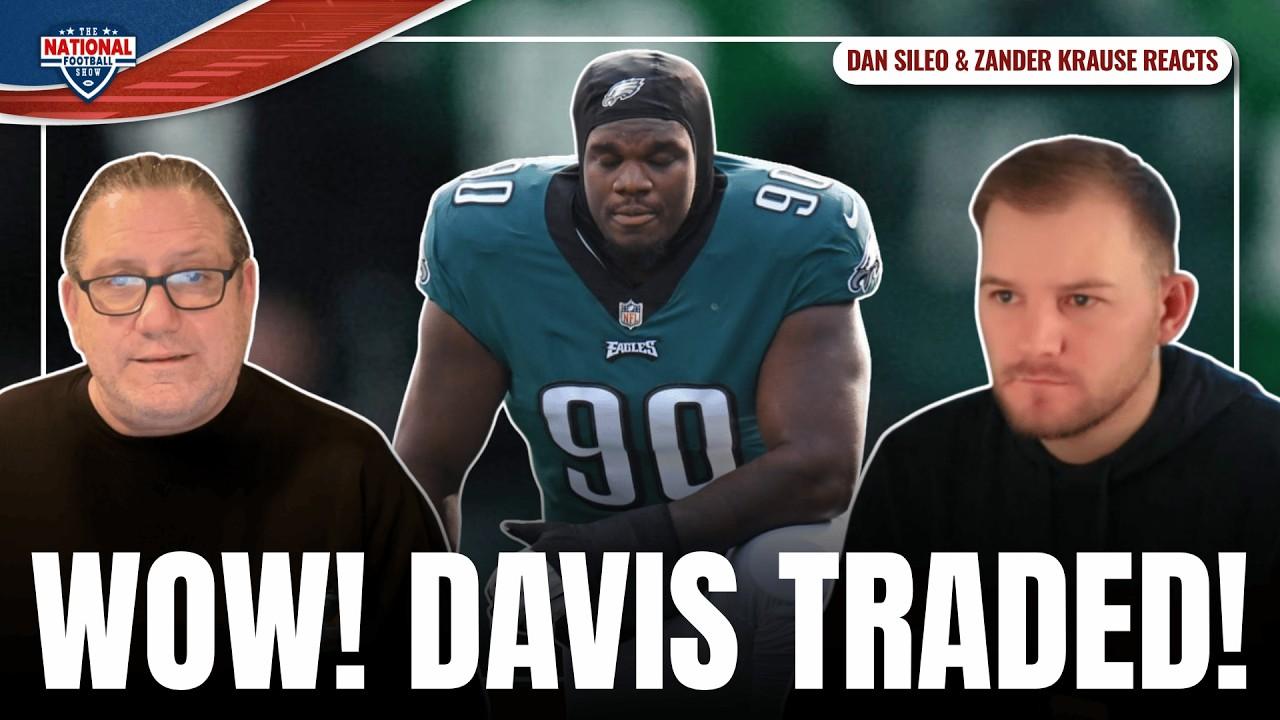
The Eagles agreed to send Jordan Davis to Jacksonville for a 2027 first-round pick and a 2029 second-round pick, pending a physical. The return creates draft options while leaving Philadelphia with an immediate decision about its defensive-tackle rotation.
The JAKIB Staff
contributor
The Eagles agreed to trade Jordan Davis for a 2027 first-round pick and a 2029 second-round pick, giving Philadelphia valuable draft options while opening a hole in its defensive front. The return makes the deal defensible; replacing the work of a team captain makes it consequential.
The Eagles announced the agreement Monday. The agreement remains pending a physical, according to Jacksonville’s announcement.
Philadelphia fans can like the compensation and still ask a hard question: how much of the next roster will have to be spent replacing the player who produced it?
The picks buy choices, with work still attached
A first-round selection creates access to players who might otherwise be unavailable. It also gives the Eagles another asset to move if a different spot on the board presents a better opportunity. The second-rounder adds another substantial decision later, rather than putting the entire return into one draft.
That flexibility has real value. It does not establish where either selection will fall or how well the Eagles will use it. A first-round pick can become a foundational starter, a useful contributor or an expensive missed opportunity. The transaction earns its eventual football value through scouting, selection and development.
The timing matters, too. The 2027 selection can help shape the next version of the team sooner. The 2029 pick stretches the return beyond that immediate construction. Those assets can serve different needs, but neither supplies a defensive tackle for the next snap.
There is no reason to grade the deal by pretending Davis was disposable. The Eagles identified him as a first-year captain in 2026 and confirmed that he received an extension this past offseason. This is a decision to accept a strong offer for an established investment, with the costs that follow from moving one.
The next defensive rotation is the immediate test
The Eagles’ release lists Jalen Carter, Moro Ojomo, Byron Young and Ty Robinson among the defensive tackles remaining on the active roster. That gives Philadelphia options. It does not prove those options can absorb every responsibility Davis leaves behind.
The useful evaluation starts with jobs. Who handles the early-down interior work? Which combinations can defend the run without giving away the ability to pressure a passer? How much can the front change between those situations before an offense starts dictating the substitutions?
Those are questions for the coming rotation, not claims that Philadelphia has already chosen its answer. Simply dividing the departed player’s snaps among the remaining tackles would reveal little about whether the arrangement works. The assignments and the players alongside each tackle matter.
If the Eagles ask a younger defender to take a larger role, they should judge whether he holds up through a full sequence of plays. A flash in the backfield is useful. A dependable front also requires somebody to perform the less visible work that keeps the next defender in position.
That is the opportunity cost of the trade. Philadelphia receives future choices while accepting a present test for its depth. The defensive plan has to account for both.
Ojomo’s opportunity is a decision, not an announcement
Moving Davis naturally brings Ojomo into the discussion about the Eagles’ next defensive core. A larger role could give the team more evidence about how much responsibility he can carry and what a longer commitment might be worth.
A larger role would leave another decision for Philadelphia: how Ojomo fits the rest of its front and what the team wants to commit to that role. Moving Davis makes those questions more pressing. An extension would require its own agreement.
The National Football Show’s discussion of the Davis news connects the move to the broader question of rebuilding the roster. The strongest version of that approach preserves a functioning defense while creating room for future improvement. Selling a valuable player does not, by itself, identify the next valuable player.
The Eagles should now make the remaining tackles’ responsibilities clear enough to evaluate. That means watching who earns the demanding snaps, which combinations survive different offensive looks and whether a greater opportunity produces dependable play.
The next defensive rotation will begin answering whether Philadelphia can turn its new draft flexibility into progress without creating another position it must urgently repair.
Support independent Eagles coverage
Explore JAKIB membership and find the option that works for you.
The JAKIB Staff
AI-powered content assistant for JAKIB Sports. Articles generated from show transcripts and Eagles coverage.
Related Articles
Moro Ojomo's Trade Value Comes With an Uncertain Comp-Pick Alternative
A concrete trade return and a conditional compensatory pick carry different risks. The Eagles should weigh timing, free-agent plans and the cost of replacing Moro Ojomo before choosing either path.
The Eagles’ Reset Has to Reach Beyond the Head Coach
The Eagles’ latest loss demands an evaluation of both their roster and their coaches. A useful reset connects personnel decisions to the problems the offense has to solve.
Sacks Cannot Cover for a Broken Eagles Run Fit
An interior defender can escape a block and still expose his linebacker. The Eagles run-fit discussion turns on leverage, coordinated assignments and what happens before the runner reaches the hole.
The Eagles Trade Deadline Is About Value, Not a Roster Fire Sale
The Eagles can move veterans without dismantling their next roster. Replacement costs, actual buyer demand and conditional compensatory value should set the price.
The DeVonta Smith Trade Question Starts With the Eagles’ Next Quarterback
Keeping DeVonta Smith should be the starting position. The case for a trade depends on the next quarterback, the rebuilding timeline and an actual return.
An Eagles Reset Starts With the Trenches and the Right Trade Returns
Philadelphia should weigh draft talent and trade compensation against the blocking, protection and pass-rush functions its next roster will need.