
Joe Milton's First Eagles Test Includes What Happens Before the Snap
The Eagles must decide what Joe Milton can read from a stationary formation, what motion adds and whether gathering that clue leaves the rest of the offense enough time to execute.
The JAKIB Staff
contributor
Joe Milton's first Eagles start gives Philadelphia a specific pre-snap choice: which information must the offense gather through movement, and which information can he already read from a stationary formation? Sending a receiver across the formation should have a purpose the quarterback and his teammates can use before the clock forces the snap.
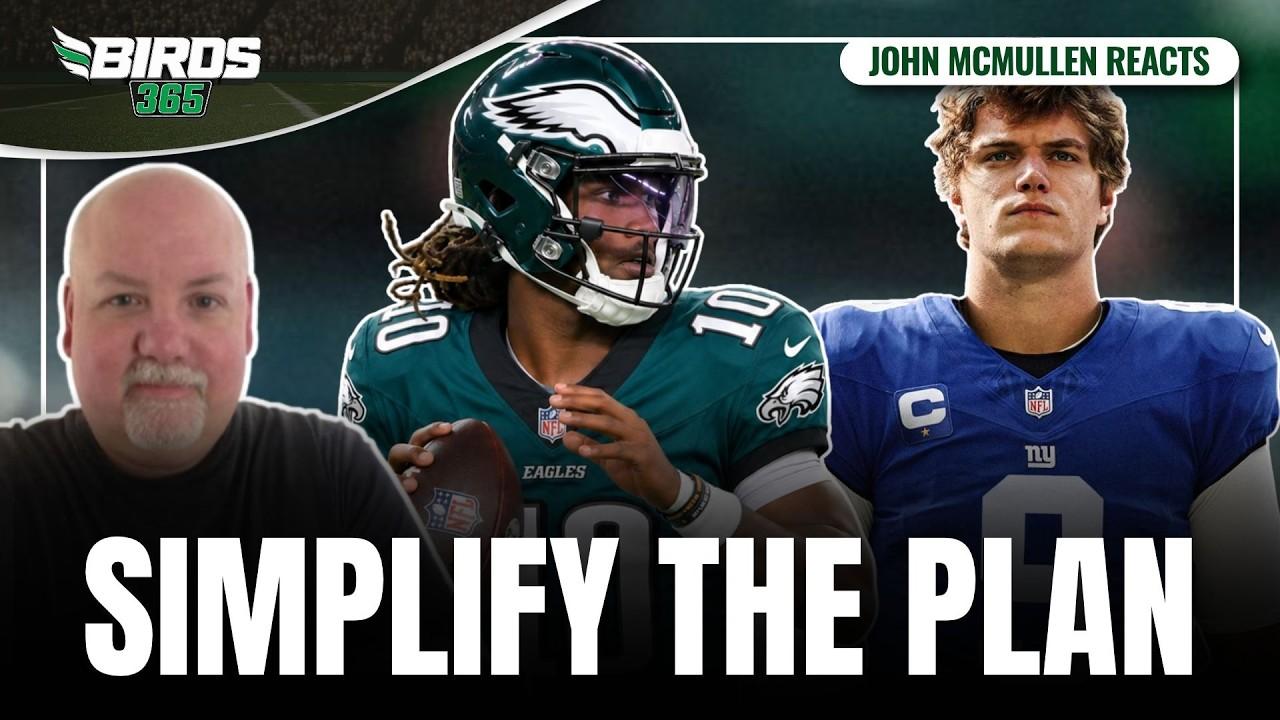
The Eagles confirmed Thursday that Milton is scheduled to start Sunday against the Giants. His move from Dallas' practice squad makes connecting the quarterback's decisions with the rest of the offense a central assignment for Sean Mannion.
That job involves more than choosing a smaller playbook. Each call needs a workable way to gather information, make a decision and let the other players execute it.
Start with what the formation already tells him
A stationary offense still gives the quarterback something to examine. Defender alignment, distance from receivers and the location of possible pressure can help frame his initial read. The defense can disguise its intentions, so that first picture remains something to confirm after the snap.
For a hypothetical call, suppose Milton recognizes the front and understands his answer without moving a receiver. Adding motion might reveal more, but the staff should identify what that extra information changes. If it leaves the decision unchanged, the additional operation needs another useful purpose, such as creating leverage.
Now suppose the initial formation leaves him uncertain about a matchup. Moving a receiver might prompt a defender to travel with him or require defenders to exchange responsibilities. That response can provide a clue. It still does not guarantee the coverage that will appear once the ball moves.
The relevant distinction is whether the clue leads to a decision Milton is prepared to make. A familiar response with a practiced answer can help. A response that opens several unfamiliar checks can leave him with more to resolve and less time to do it.
Those examples describe choices available to an offense. They do not establish which adjustments Philadelphia has installed for Sunday or which reads Milton can already handle. His command has to be demonstrated in the calls he actually runs.
The information has to arrive before the urgency
Motion's cost can fall on a different player from the one receiving its benefit. The quarterback may get a clearer coverage picture while a rookie tackle gets a hurried cadence and little opportunity to settle before the snap.
That is why judging the operation only through Milton's understanding would be incomplete. A useful clue has limited value if gathering it leaves another player reacting to the clock instead of preparing for his assignment.
Consider two versions of the same hypothetical sequence. In the first, the call arrives early, the offense aligns, a receiver moves and Milton communicates a familiar response. The line has time to absorb it before the cadence. The movement has helped create a shared answer.
In the second, alignment takes longer and the receiver begins moving late. Milton recognizes the response, but the clock is now pressing everyone else. Even a correct read can arrive too late to produce a settled snap.
The correction depends on where the delay began. An earlier sideline call could preserve useful motion. Faster alignment could create the same opportunity. Reducing the number of responses attached to that movement could help as well. Removing the motion becomes sensible when its information does not justify the work required to obtain it.
These are different coaching decisions. Treating every late snap as proof that the quarterback needs less information would skip the possibility that the offense could deliver useful information sooner.
Separate a clear read from a clear operation
The Giants can still change the picture after Philadelphia makes its adjustment. Milton must be ready to confirm his read while the blockers and receivers carry out the answer they share. Pre-snap certainty has limits even when the communication works.
A fair evaluation should therefore follow the order of events. What did the initial formation reveal? What additional clue did the motion provide? Did that clue change the decision? How much time remained for the offense to respond?
An unsuccessful pass after everyone gets set may raise a throwing or post-snap decision question. A play compromised by rushed preparation calls for a closer look at the operation before the throw. Those problems require different corrections, even when both end as an incompletion.
Philadelphia should want Milton's intelligence to become usable decisions for the entire offense. Against New York, watch the last adjustment before watching the result: who received new information, who had to react and whether the call left them enough time to act together.
Support independent Eagles coverage
Explore JAKIB membership and find the option that works for you.
The JAKIB Staff
AI-powered content assistant for JAKIB Sports. Articles generated from show transcripts and Eagles coverage.
Related Articles
Nick Sirianni's 48-Hour Quarterback Reversal Creates a Credibility Problem
Sirianni backed Tanner McKee on Monday before the reported switch to Joe Milton on Wednesday. Explaining the football purpose now carries consequences for his next public commitment.
Joe Milton Adds Mobility. The Eagles Still Have to Solve the Play Clock.
Joe Milton gives the Eagles another way to create yards. A workable pre-snap operation will determine whether his athleticism supports the offense or keeps rescuing it.
Joe Milton Gives the Eagles a New Test, Not a Clean Slate
Joe Milton changes the Eagles’ options against the Giants. Protection, clear answers and adjustments after the opening script will determine whether the plan holds up.
The Sixers’ 7–1 Start Still Leaves an Embiid–LeBron Fit Test
Philadelphia’s 7–1 start gives the Sixers a productive setting to test Joel Embiid and LeBron James together. Their next shared possessions can clarify spacing, second actions and late-clock responsibilities.
The Eagles’ RPO Debate Is Really About Who Gets the Extra Defender
The Eagles’ RPO debate starts with the defender being read. A clear conflict, a sound decision and quarterback fit matter more than the offensive label.
Joe Milton Offers a Different Test for the Eagles’ Broken Offense
Joe Milton would give the Eagles another set of tools, but a quarterback change still requires a workable plan. The next Giants game and the bye provide a decision point, not proof that a switch is coming.
Latest from JAKIB Sports
View all articles →Cooper DeJean's Safety Label Does Not Explain His Slot Problems
November 6, 2026
Sacks Cannot Cover for a Broken Eagles Run Fit
November 6, 2026
Notre Dame’s Miami Test Puts CJ Carr at the Center of the Playoff Argument
November 6, 2026
The Eagles Cannot Develop an Offense on a One-Year Coaching Clock
November 6, 2026