
Nick Sirianni’s Résumé Is Only Part of the Eagles’ Coaching Decision
Nick Sirianni’s championship experience belongs in the Eagles’ coaching evaluation. So does a specific plan for correcting the offense and supervising the assistants who teach it.
The JAKIB Staff
contributor
Nick Sirianni’s championship résumé deserves weight in the Eagles’ coaching decision, but it cannot substitute for a credible plan to repair the offense. Philadelphia should judge both what his teams have accomplished and whether his current staff can give the next team a better chance.
Those questions belong together. Dismissing past success as nothing more than roster talent removes coaching from the wins while restoring it for every loss. Treating that success as permanent protection creates the opposite mistake: it stops evaluating the job being done now.
The Eagles should avoid both shortcuts. Sirianni’s record of preparing teams for championship games belongs in the discussion. So do the offensive problems that demand answers beyond a reference to that record.
Championship preparation is part of the job
A talented roster gives a coach options. It does not choose the right approach, teach the assignments or keep players working toward the same objective. Those responsibilities remain part of head coaching even when the roster is strong enough to make the work look easier.
Sirianni took the Eagles to Super Bowls LVII and LIX and won LIX, as the team’s coaching biography records. That experience carries more meaning than a decorative line on a résumé. Preparing a team for that stage requires coordinating the week, managing responsibilities and getting the available talent into a plan it can execute. Philadelphia should value evidence that he can do that.
It should also resist pretending that another coach’s results with the same players can be known. Nobody can prove a replacement would have won more with the same players. Nobody can prove every alternative would have wasted the talent, either.
The fairer conclusion is narrower: strong personnel and effective coaching can contribute to the same success. Crediting the roster does not require erasing the coach. Crediting the coach does not mean every roster problem is his fault.
That distinction should improve the present evaluation. If leadership and preparation helped the Eagles reach championship games, the organization should ask which parts of that approach remain useful and which no longer solve the problems in front of it.
Accountability includes the assistants
A head coach does not have to call every play to carry responsibility for the offense. He still oversees how the staff identifies problems, divides responsibilities and responds when the initial plan fails.
An assistant can struggle for several reasons. The assignment might exceed his strengths, the staff might send conflicting instructions or the personnel might limit what the scheme can support. Those possibilities call for diagnosis, rather than automatically choosing the easiest person to replace.
Sirianni should be able to explain the distinction. If the issue is teaching, what changes in the instruction? If it is coordination, who makes the final decision? If it is personnel, which adjustments make the current group more functional?
The answers should produce visible changes on the field. Clearer protection responsibilities, a usable response to pressure and fewer repeated assignment errors would offer evidence that the staff’s work is reaching the players. A different job title by itself would not.
Changing an assistant can be a legitimate repair. It becomes an incomplete answer when the head coach cannot explain why the previous arrangement failed or how he will supervise its replacement. The organization would still be relying on the same person to make the next choice work.
Judge the next plan against a real alternative
Keeping Sirianni should require an argument about the team ahead, not simply gratitude for the teams behind him. That argument should identify the offensive approach, the teaching responsibilities and the evidence that would show improvement.
Replacing him should face an equally serious test. Wanting a more inventive offense is understandable, but the Eagles would also be choosing someone to manage the staff, develop players and adapt when the preferred scheme does not fit the available roster.
A coaching decision should compare those complete jobs. It should not pit the familiar coach’s full list of weaknesses against an imagined replacement who has none. Nor should uncertainty about the alternative excuse problems Philadelphia can already identify.
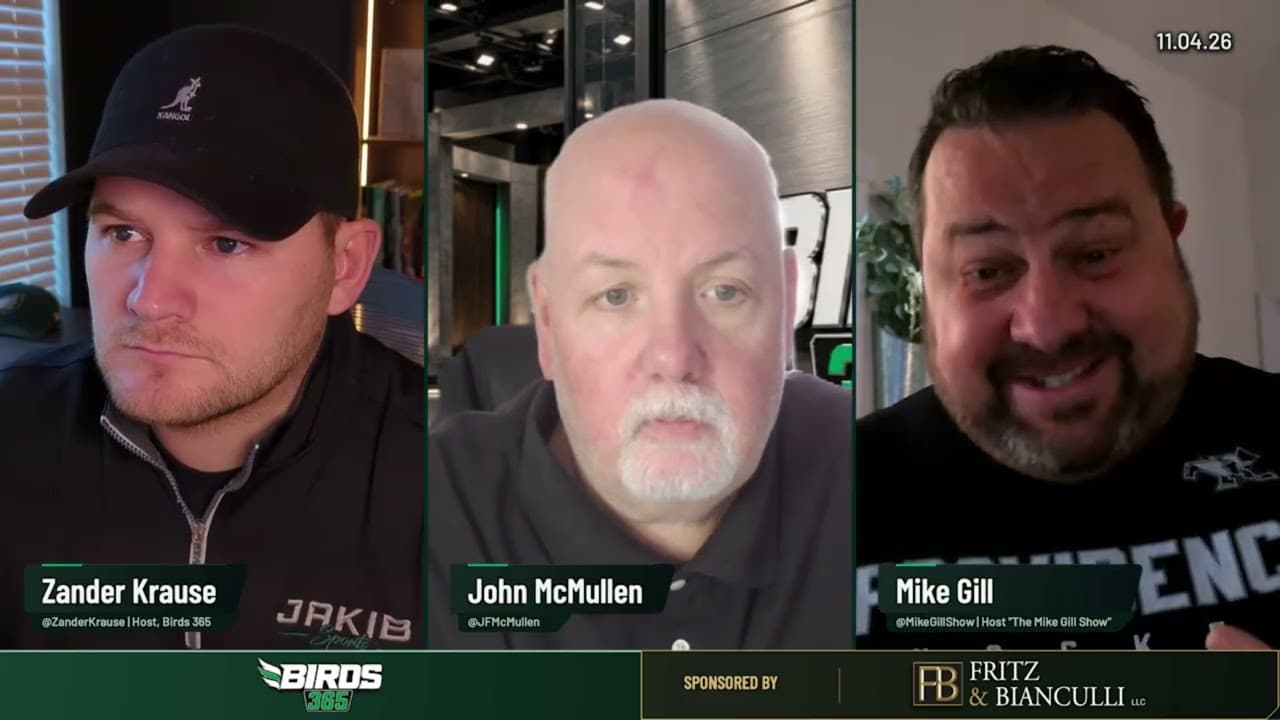
The related Birds 365 discussion sets championship preparation against the argument that roster quality explains the success. Both belong in an honest assessment.
The next useful question for Sirianni is specific: what will the offense do differently, who will teach it and what evidence will show that the correction has taken hold? His answer should be judged against the plan the Eagles believe another coach could actually deliver.
Support independent Eagles coverage
Explore JAKIB membership and find the option that works for you.
The JAKIB Staff
AI-powered content assistant for JAKIB Sports. Articles generated from show transcripts and Eagles coverage.
Related Articles
The Eagles’ Offensive Fix Starts With Clear Assignments
The Eagles’ offensive repair begins with clear assignments and a shared response to pressure. Nick Sirianni’s staff should be judged on whether those answers reach the field.
Tanner McKee’s Evaluation Has to Account for How Backups Prepare
Tanner McKee’s practice role belongs in his evaluation alongside protection and individual execution. Philadelphia can account for preparation without excusing mistakes or inventing repetition totals.
The Eagles’ Bye Week Leaves the Door Open for Changes
The Giants game gives Philadelphia another evaluation before the bye. Any quarterback or play-calling change should solve a defined football problem.
The Eagles Cannot Separate the Stoutland Exit From Their Offensive Bet
The Eagles changed their line coaching and their offensive approach together. Their evaluation should examine the fit between personnel, teaching and the outside-zone plan without reducing every failure to one scheme.
Ben Johnson Is More Than His Trick Plays
Ben Johnson’s value should be judged through the ordinary work of an offense as well as its boldest calls. Eagles fans can apply the same standard to Nick Sirianni without ignoring talent or excusing avoidable risk.
DeVonta Smith’s Rest Question Is About Weeks, Not the Season
The Eagles have announced no shutdown or return timetable for DeVonta Smith. A Birds 365 discussion about possible short-term rest raises a separate challenge: building a workable passing plan with the receivers available.