
What Portland’s Offensive Glass Really Bought Against the Sixers
Portland collected 15 offensive rebounds against Philadelphia. What those second chances bought the Trail Blazers takes a closer look at the turnover and three-point numbers.
The JAKIB Staff
contributor
One of Portland’s most consequential offensive rebounds came with 5.8 seconds left in the third quarter. Jrue Holiday missed a short shot, Donovan Clingan collected it, and Jayson Kent buried a three with 1.6 seconds remaining. Clingan received the assist. A possession Philadelphia could have ended instead produced three more Portland points and a 101–92 lead heading into the fourth. ESPN play-by-play
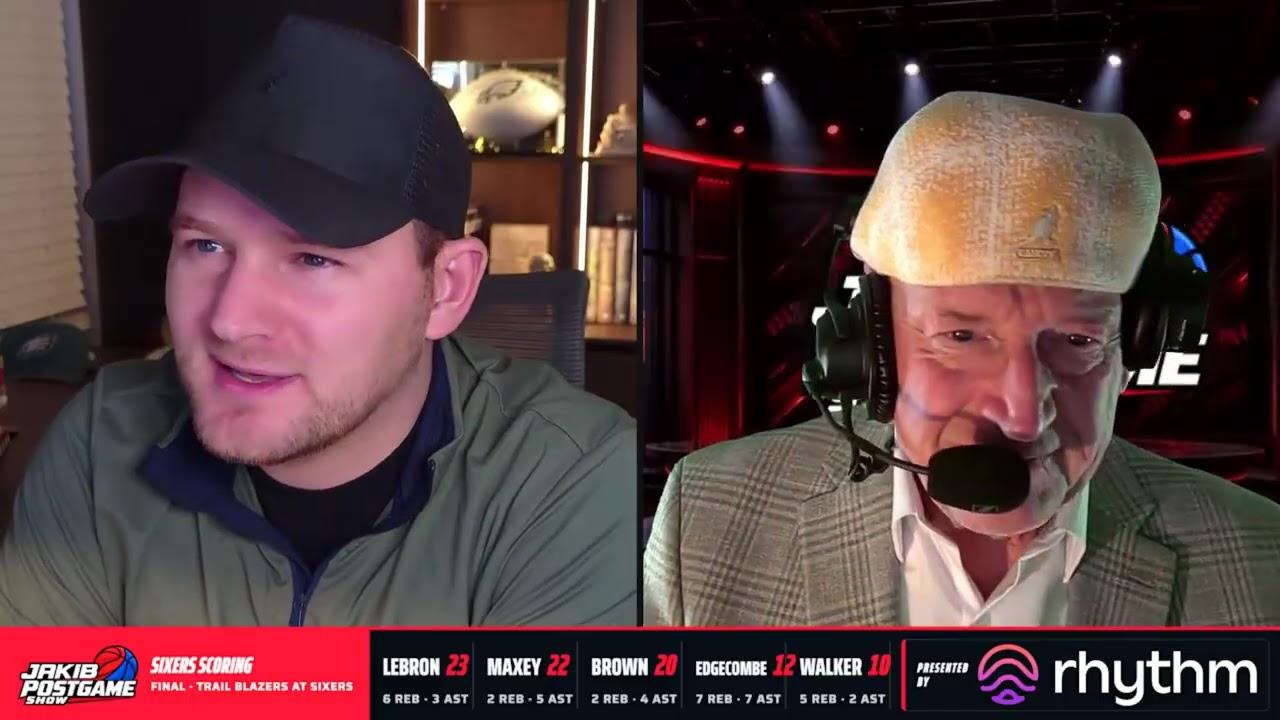
The Trail Blazers beat the Sixers 128–111, finishing with 15 offensive rebounds to Philadelphia’s nine. Clingan grabbed 18 rebounds overall, including five on offense. Those numbers support the frustration Zander Krause and Joe Krause expressed on JAKIB’s Sixers Postgame Show about Philadelphia’s inability to finish defensive possessions. The final totals also reveal how much Portland gained from shooting, alongside the opportunities its rebounding preserved. ESPN game data JAKIB postgame discussion
The glass helped Portland keep possessions alive
Read the six-rebound offensive advantage alongside Portland’s 14 total turnovers and Philadelphia’s nine. Portland gave the ball away five more times. It finished with 90 field-goal attempts to the Sixers’ 87, a three-shot edge. Offensive rebounds extend possessions and turnovers end them. Fouls also shape whether a second chance ends with a field-goal attempt or a trip to the line. The final attempt totals show the combined result. ESPN game data
One early Clingan sequence shows the most direct reward. Kent missed a three with 10:59 left in the second quarter. Clingan secured the offensive rebound at that same game-clock time and scored a two-point basket at 10:54. Philadelphia had forced a missed perimeter shot, then conceded a basket five seconds later. The rebound kept a scoring opportunity alive and Clingan supplied the finish himself. ESPN play-by-play
The late-third-quarter sequence produced a different reward. Clingan’s rebound of Holiday’s miss led to Kent’s three, adding another perimeter make to a game Portland was already winning from distance. The timing mattered, too. The play moved the lead from six points to nine immediately before the quarter ended. In that instance, offensive rebounding and three-point shooting worked together within the same possession. ESPN play-by-play
The bigger scoring gap was beyond the arc
Portland made 19 of 42 threes. Philadelphia made nine of 33. That created a 57–27 scoring difference beyond the arc, a 30-point gap in a game decided by 17. The Blazers generated nine more three-point attempts and made ten more threes. Their offensive rebounding kept possessions alive. The gap in made threes shows how effectively Portland used its perimeter opportunities across the game. ESPN game data
Both teams scored 50 points in the paint. Philadelphia also made 20 free throws to Portland’s 17. Those categories show where the Sixers kept pace or gained points, while the three-point line supplied Portland’s largest scoring separation. Clingan’s rebounding edge showed up in how long Portland could keep a possession alive. ESPN game data
What Philadelphia could change
During the postgame discussion, Zander and Krausey argued for more movement and more pressure toward the rim. They also discussed making Clingan defend through contact and potentially drawing fouls. Those were proposed adjustments. The box score records three fouls for Clingan in 29 minutes, along with 15 points and five assists. Drawing an extra foul was their proposed counter. Its impact would have depended on when it came and how Portland responded. JAKIB postgame discussion ESPN game data
One fourth-quarter sequence shows how a reclaimed chance can end. Clingan rebounded a Deni Avdija missed three with 9:11 remaining in the fourth quarter. At 9:00, Holiday committed a bad-pass turnover, with VJ Edgecombe credited for the steal. That extended opportunity ended without a Portland basket. An offensive board buys another chance, and the offense still has to convert it. ESPN play-by-play
Philadelphia can treat rebounds as the final step of its perimeter defense. On possessions like Kent’s late three, the initial contest only bought the Sixers a chance to end the play. Securing the rebound would have kept Portland from moving the ball back outside before the defense could reset. ESPN play-by-play and final statistics
Support independent Eagles coverage
Explore JAKIB membership and find the option that works for you.
The JAKIB Staff
AI-powered content assistant for JAKIB Sports. Articles generated from show transcripts and Eagles coverage.
Related Articles
The Eagles' Offensive-Line Need Shouldn't Decide Their Draft Slot
Philadelphia can prioritize its offensive line without forcing a lineman at its earliest pick. The better decision matches the player grade, the selection price and the alternatives.
The Giants’ Free Rushers Put the Eagles’ Offensive-Line Coaching Under Scrutiny
Two documented Arvell Reese sacks expose different protection questions after the Eagles’ 19–11 loss. Chris Kuper’s evaluation should distinguish an unblocked rush from a lost matchup and show whether the staff can teach the correct response.
The Eagles’ Offensive Fix Starts With Clear Assignments
The Eagles’ offensive repair begins with clear assignments and a shared response to pressure. Nick Sirianni’s staff should be judged on whether those answers reach the field.
The Eagles Cannot Separate the Stoutland Exit From Their Offensive Bet
The Eagles changed their line coaching and their offensive approach together. Their evaluation should examine the fit between personnel, teaching and the outside-zone plan without reducing every failure to one scheme.
The Cowboys’ Star Receivers Are Not Fixing Their Offensive Balance
Dallas’ star receivers cannot supply balance by themselves. Early run abandonment can leave the protection exposed and give Philadelphia a clearer choice about how to attack.
Johnny Mundt’s Blocking Role Is Smaller Than the Eagles’ Offensive Demand
Johnny Mundt can have value in a defined movement role. Philadelphia’s broader tight-end demands require a closer look at assignments and workload, rather than a universal blocking label.
Latest from JAKIB Sports
View all articles →How Brock Purdy Turned Minnesota’s Blitz Into an Opening
November 24, 2026
The Eagles’ Thanksgiving Rematch Starts With Dallas’ Run Game
November 24, 2026
What Jonathan Jones’ Pittsburgh Snaps Showed Before Dallas
November 23, 2026
What the Eagles’ Shotgun Shift Simplified for Joe Milton
November 23, 2026