
Why Makai Lemon’s Screen Usage Is Under Scrutiny
Repeated behind-the-line targets put Makai Lemon in traffic instead of testing where he can separate. The Eagles’ larger second-half passing collapse makes Sean Mannion’s play design, spacing, and blocking the real evaluation alongside the rookie’s execution.
The JAKIB Staff
contributor
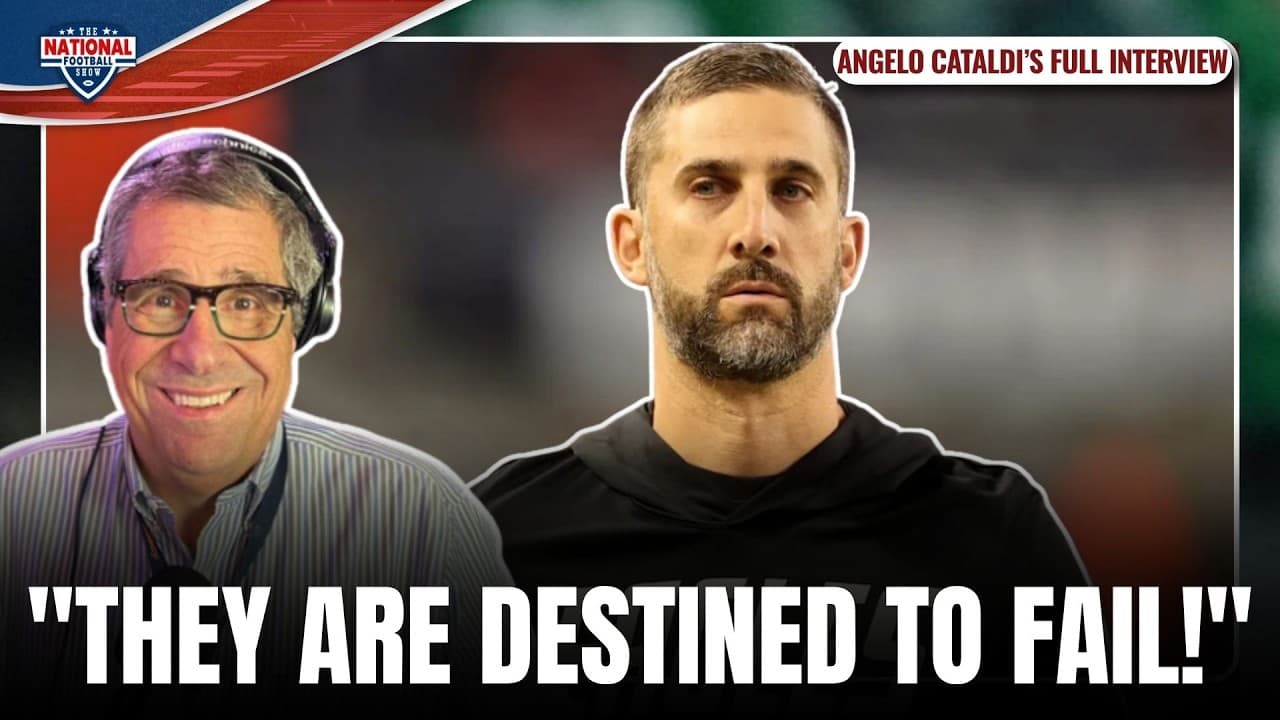
Makai Lemon’s screen usage deserves a closer look after the Eagles’ offense stalled against Chicago. Repeated behind-the-line throws ask the rookie to win through traffic, while Philadelphia’s 27-7 loss raised a larger question about how Sean Mannion gets any receiver into useful space.
It would be premature to define Lemon’s NFL future from one ugly game. The approved show discussion questioned whether those particular targets match his strengths. That is a narrower and more productive question than declaring a rookie a failed pick after the third game of a season.
A screen needs more than a target
A receiver screen can be a good call when the offense has the right numbers outside, blockers reach their landmarks, and the receiver catches the ball with a useful angle. Throwing it behind the line does not automatically create easy yards. If defenders arrive before the blocks develop, the target begins the play with ground to recover and little space to accelerate.
That is why Lemon’s deployment matters. The show criticized repeated attempts to get the ball to him behind the line, then asked whether quicker throws inside would provide a cleaner path to a modest gain. The underlying football point is sound even if the criticism of his speed is a judgment rather than a measured fact: usage should test different parts of a receiver’s game before deciding what he cannot do.
An inside quick hitter brings its own risk. The passer needs a defined window, the route must avoid nearby defenders, and the timing has to survive pressure. It is not a magic replacement for the screen. But varying the launch point and target depth can prevent a defense from treating Lemon’s alignment as an advance warning of the same call.
The entire passing game stalled
Blaming one rookie would miss the second-half collapse. The Bears’ official recap says their defense allowed only 62 total Philadelphia yards after halftime and forced three straight three-and-outs to open the third quarter. NFL’s review lists Hurts at 153 passing yards for the game and notes Chicago won the turnover battle, 3-0.
Those numbers do not tell us exactly how often Lemon ran a screen or whether each failed attempt broke down for the same reason. They do show that the offense had a broader problem creating clean, sustainable gains. Saquon Barkley was contained after a productive first half, and the passing attack could not compensate. A screen to Lemon was one piece of an offense that stopped threatening the Bears.
Mannion’s task is to separate call quality from execution. Did the perimeter blocks arrive? Was the defense aligned to outnumber the play? Did Lemon have a lane after the catch? A target that loses yardage because a defender beats a block teaches something different from a target that fails because the receiver cannot separate. The film can answer that more reliably than a broad label attached to the player.
A better test for the rookie
Lemon’s next opportunity should be varied enough to reveal an actual role. Give him routes that create a defined decision for the quarterback, mix his alignments, and select screens when the numbers and blocking favor them. If defenses jump the same behind-the-line look, the offense should have an answer that attacks the vacated space.
That does not guarantee production. A rookie still has to catch the ball, handle contact, and understand the coverage he faces. The point is to evaluate those tasks rather than repeatedly asking whether he can rescue a poorly set screen. It also gives the coaching staff better evidence about what to emphasize in practice.
Philadelphia does not have the luxury of isolating Lemon’s development from the rest of the offense. The next game should show whether Mannion can create easier first-down throws for Hurts and better entry points for his receivers. Lemon’s usage will be one visible measure of that adjustment, but the real verdict belongs to the whole passing design.
Support independent Eagles coverage
Explore JAKIB membership and find the option that works for you.
The JAKIB Staff
AI-powered content assistant for JAKIB Sports. Articles generated from show transcripts and Eagles coverage.
Related Articles
Makai Lemon’s Next Opportunity Is About Where the Eagles Target Him
Makai Lemon’s next opportunity should depend on where the Eagles target him, not simply how often. Catches beyond the line can give Philadelphia a clearer way to build and evaluate his role.
Why the Eagles’ Second-Half Offense Remains Their Biggest Problem
The final kickoff decided the Jacksonville game, but Philadelphia’s 232-yard offense creates a more persistent test for Jalen Hurts and the play-calling staff.
How the Eagles Lost the Final Eight Seconds Against Jacksonville
Philadelphia led Jacksonville with eight seconds left but lost on a final field goal. The clock, kickoff choice and coverage failure each deserve a separate review.
The Clock Decision That Preserved Jacksonville’s Winning Chance
The Eagles preserved Jacksonville’s winning chance when their final possession left eight seconds for a kickoff. The clock stopped on Makai Lemon’s late catch, allowing the Jaguars to save their last timeout for the next play.
Why the Eagles Couldn’t Finish Off Jacksonville
The Eagles couldn’t finish off Jacksonville because their offense stopped giving the defense breathing room. A 19-17 loss turned another winnable afternoon into a reminder that late heroics cannot replace sustained scoring.
Eagles Face a Protection and Receiving Test Against Jaguars in London
Philadelphia's London plan depends on protection and receiving availability. A clearer playbook could help Jalen Hurts operate without assuming projected injury returns are confirmed.
Latest from JAKIB Sports
View all articles →The 2017 Eagles' Locker-Room Lesson for a Team Losing Its Leaders
October 19, 2026
Eagles' Defensive Stars Face a Different Test Than Their Backups
October 19, 2026
The Bad Snap That Closed the Eagles' Best Route Back Against Carolina
October 19, 2026
Chicago’s Quarterback Decision Tests Ben Johnson’s System Fit
October 17, 2026