
Why Jalen Hurts Is 90 Percent Likely to Return to Philadelphia
Jalen Hurts faces a meaningful test in Sean Mannion's new offense, but the Eagles' alternatives make a clean quarterback reset unlikely. Philadelphia is built to contend now, while the backup room and developmental draft paths offer no obvious replacement for an established starter.
The JAKIB Staff
contributor
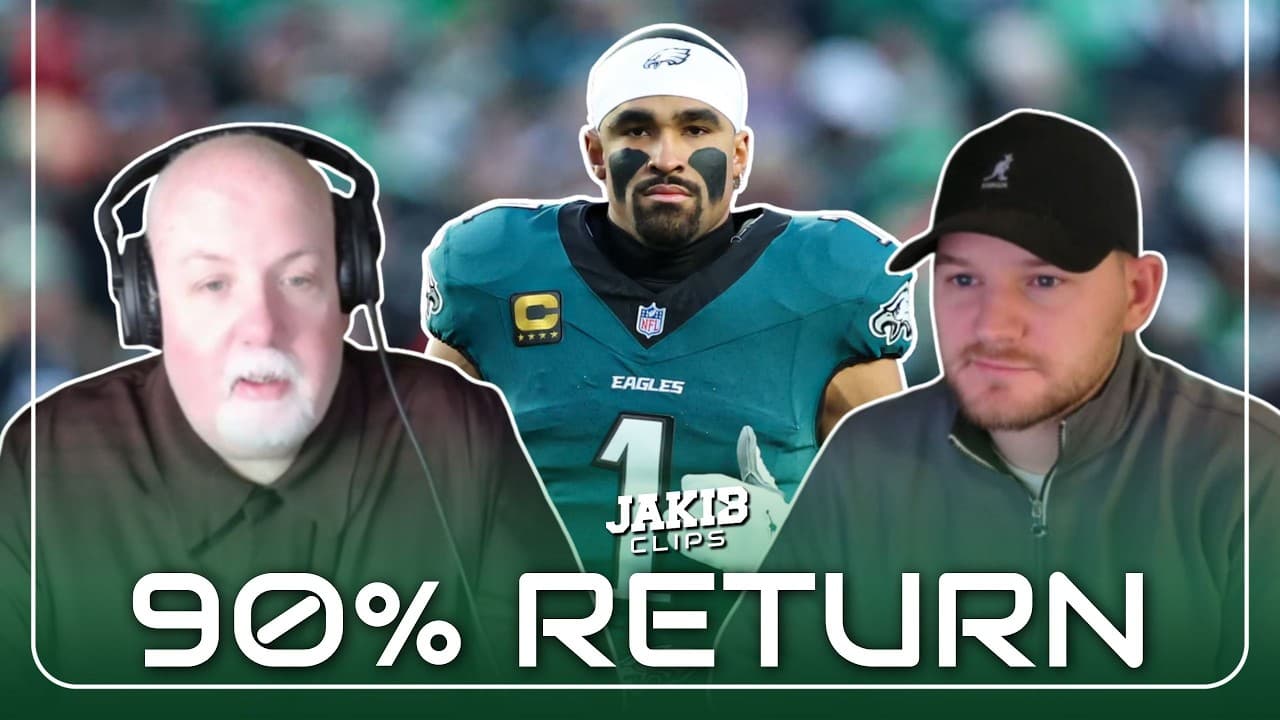
Jalen Hurts is about 90 percent likely to return to the Philadelphia Eagles because replacing him would create a bigger problem than extending him. The new offense will test his adaptability, but the roster, backup quarterback performance and developmental nature of the next draft paths all point toward continuity.
That forecast does not guarantee a smooth season or an automatic contract. It reflects the decision Philadelphia will actually face. Moving on requires a credible quarterback, a realistic transition plan and organizational patience that does not fit a team built to win now.
The Alternatives Have Not Closed the Gap
A quarterback change becomes attractive when the next option proves he can carry the offense or offers a clear long-term ceiling. Philadelphia has not reached that point. The summer performances behind Hurts provided more warning than reassurance, leaving the Eagles without an internal succession plan ready for a contender's timetable.
Tanner McKee's difficult stretch matters because he was the most immediate opportunity to create leverage. A strong backup could have given the organization a cheaper bridge or at least a credible fallback. Instead, the room reinforced how difficult it is to replace a proven starter with projection.
The developmental options do not solve the timing problem either. A highly regarded prospect can still require extensive work before directing a veteran roster. Drafting that player would begin a process, not deliver an immediate answer, and every transition year would consume part of Philadelphia's current competitive window.
Hurts Still Has to Prove the New Offense Fits
Hurts' strongest argument will come from execution rather than reputation. Mannion's offense may ask him to trust timing, deliver throws into tighter windows and tolerate a little more risk in exchange for a more dangerous passing game. The challenge is finding aggression without turning each interception into permission for reckless football.
The scheme also has an obligation to meet him halfway. Hurts has succeeded with movement, vertical shots and a run game that includes his presence in the defensive count. A good coordinator will add new answers while preserving those advantages, then adjust when a borrowed concept clashes with the quarterback or surrounding personnel.
That flexibility separates a productive transition from a referendum staged under unfair conditions. If Hurts struggles because of poor decisions, the Eagles will have real evidence to weigh. If the offense repeatedly demands tasks that do not fit the roster, changing quarterbacks would leave the original structural issue untouched.
Philadelphia's Timeline Favors an Extension
The Eagles have invested in a roster that expects meaningful games now. Starting over at quarterback would transfer uncertainty to every unit. The offensive line, defense and established playmakers would all spend a season absorbing the learning curve of a new centerpiece.
An extension can carry financial risk, but so can chasing a replacement. Draft capital, veteran contracts and lost seasons are costs even when they never appear together on one line of a deal. Continuity becomes the rational choice when the incumbent remains capable and the escape routes are mostly theoretical.
Hurts does not need to lead the league in passing yards to validate that choice. He needs efficient offense, timely aggression and command of the situations that decide games. If Philadelphia wins while the new system develops, the organization will have little incentive to exchange a known contender for a long project.
The first evidence will arrive when Mannion calls a concept that asks Hurts to play differently. If the quarterback trusts the window and the coordinator responds intelligently to the result, the partnership has room to grow. That progress, paired with the absence of a ready successor, is the path that keeps Hurts in Philadelphia.
Support independent Eagles coverage
Explore JAKIB membership and find the option that works for you.
The JAKIB Staff
AI-powered content assistant for JAKIB Sports. Articles generated from show transcripts and Eagles coverage.
Related Articles
What Nick Sirianni’s Preparation Shows Beyond the Eagles’ Final Scores
Nick Sirianni’s weekly preparation deserves scrutiny alongside the Eagles’ results. Evaluating the full head-coaching job also means keeping a hypothetical future reset separate from the current assignment.
Why the Eagles Cannot Recreate the Nick Foles Reset in Two Days
Tanner McKee’s abrupt starting assignment calls for a clear, executable plan against Carolina. The Nick Foles comparison explains why adapting to a quarterback takes more than changing the call sheet.
The Eagles Can Evaluate Their Future Without Playing to Lose
The Eagles can develop young players while holding the team to a competitive standard. Meaningful assignments and clear coaching give Philadelphia evidence it can use before the draft arrives.
Tanner McKee Won’t Get a Clean Test of the Eagles’ Offense
Tanner McKee will be evaluated alongside the Eagles’ protection, route timing and coaching adjustments. The Carolina game can reveal what works for the backup and what the whole offense still needs.
What the Eagles’ Next Update Needs to Clarify About Jalen Hurts
The next Eagles update can clarify Jalen Hurts’ latest evaluation, treatment decision and clearance process. Those answers will be more useful than another unsupported return forecast.
Jalen Hurts Ruled Out vs. Panthers: What the Eagles Have Confirmed
The Eagles ruled Jalen Hurts out against Carolina after a follow-up ultrasound. The team timeline clarifies the London trip while treatment and a return date remain unresolved.