
The Eagles’ Pass Rush Is Failing the Players Behind It
A cleaner pocket stretches every coverage assignment. Philadelphia needs coordinated pressure while still correcting tackling, leverage and communication.
The JAKIB Staff
contributor
The Eagles are asking too much of their coverage when the pass rush cannot make the quarterback uncomfortable. A secondary can handle the first route combination correctly and still lose when the pocket stays clean long enough for the play to develop again.
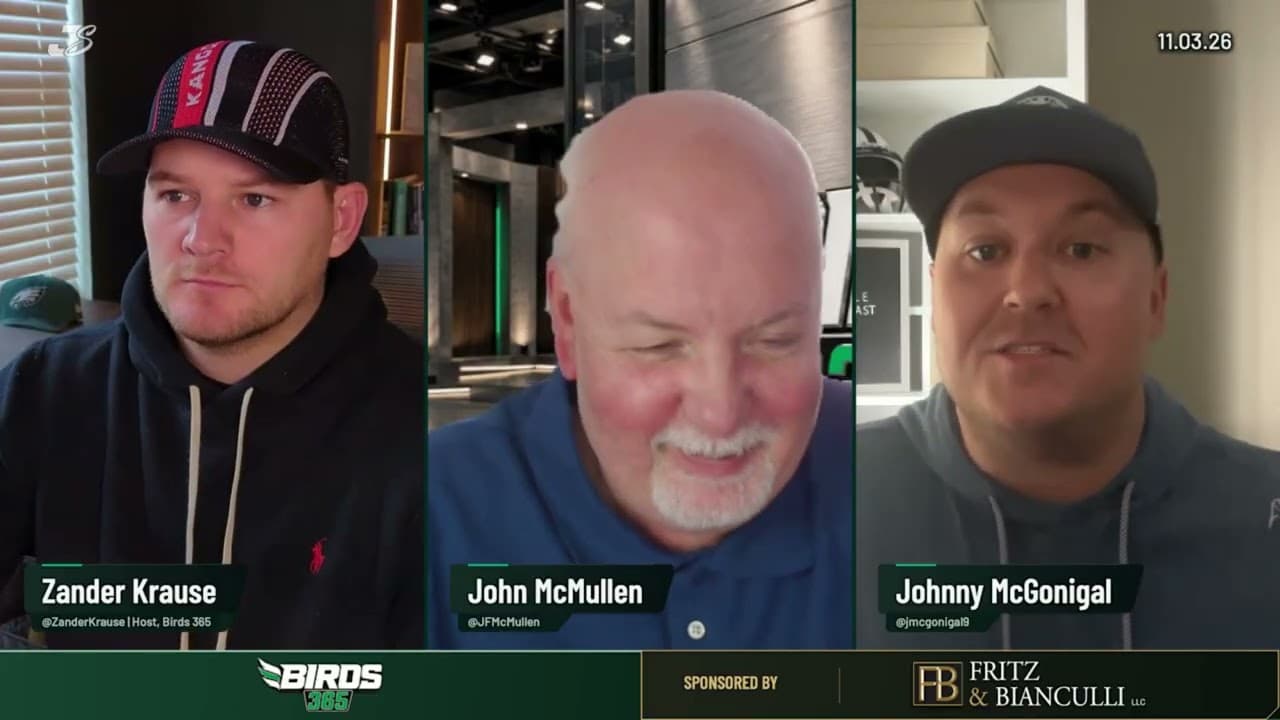
That connection sits at the center of the Birds 365 defensive discussion. The argument is about more than sacks. Philadelphia needs its front to disrupt the timing that allows receivers to threaten defenders in several directions.
The rush deserves scrutiny because improving it could help multiple parts of the defense. That does not excuse missed assignments, poor tackling or a corner losing his leverage. It explains why judging each failure in isolation can miss how the defense is supposed to work.
Coverage has a clock
A corner defending a double move has to respond to the receiver's initial route while respecting the possibility of a second break. When the quarterback has time to wait for both movements, that assignment becomes substantially harder.
Pressure can shorten the play before the receiver reaches that second opportunity. It can force an early throw, interrupt the quarterback's feet or make him abandon the intended target. The defender still has to do his job, but the front can change what that job requires.
The reverse is punishing. If the quarterback can reset without interference, a receiver who was initially covered gets another chance to separate. A safety then has to decide whether to stay with his responsibility or help a teammate whose coverage is stretching beyond its intended timing.
This is why a respectable individual coverage rep can disappear from the story of a completed pass. The finished play contains the result, while the rush helps explain how long the defense was asked to sustain its assignments.
Philadelphia should demand tighter coverage and a more disruptive front at the same time. Asking for either one alone leaves an obvious escape route for the opposing offense.
The front needs repeatable disruption
The show's frustration centered on the distance between the front's expected impact and its current influence. Jalen Carter and Jordan Davis were part of that discussion, along with the edge rush. The standard should be coordinated pressure rather than a collection of isolated flashes.
An interior rusher who forces the quarterback backward can create an opportunity for an edge defender. An edge rusher who keeps the quarterback from escaping can make an interior win matter. Those efforts need to meet at the same place and time.
A rush that breaks down can also create its own problems. If one player abandons his lane without a teammate accounting for it, beating a blocker might simply open an exit. Philadelphia needs disruption that preserves the structure of the defense.
The Washington recap records sacks by Carter and Nolan Smith. Those plays are useful, but a sack entry cannot tell the whole story of whether a front consistently controls passing situations. The aim should be to make routine throws harder throughout a possession.
The discussion also acknowledged injuries affecting the edge group. That context belongs in any assessment of performance and rotation choices. A deeper rotation could help sustain the rush, but the players available still need to coordinate their work.
Pressure would help without curing everything
A stronger rush would give the secondary a more manageable assignment. Better work against the run could also keep linebackers from having to recover after the front loses control of a gap. Those benefits would make the defense more connected.
They would not erase every other weakness. A hurried quarterback can still complete a pass if the coverage busts. A well-defended run can still gain extra yards if the tackle fails. Philadelphia has to finish the plays that better front-line work creates.
The guest discussion resisted treating speculation about Vic Fangio's future as an explanation for those failures. That is the sensible place to keep the analysis. Assignments, technique and execution offer football questions the team can address; guessing at a player's reaction to a coach's possible future does not explain a missed responsibility.
There was also reason for conditional optimism in the earlier defensive debate. The argument was that the core could perform better without replacing the entire unit. That possibility should be measured through cleaner execution and sustained pressure, rather than assumed from familiar names.
Against the Giants, watch what happens before the pass arrives. Does the quarterback have to move? Does a receiver have time for another break? Does the rush keep the pocket contained after its initial attack?
Those details will show whether Philadelphia is making life easier for the players behind the front. The secondary still owes the Eagles better football. The pass rush owes it a fairer chance.
Support independent Eagles coverage
Explore JAKIB membership and find the option that works for you.
The JAKIB Staff
AI-powered content assistant for JAKIB Sports. Articles generated from show transcripts and Eagles coverage.
Related Articles
An Eagles Reset Starts With the Trenches and the Right Trade Returns
Philadelphia should weigh draft talent and trade compensation against the blocking, protection and pass-rush functions its next roster will need.
The Eagles’ RPO Debate Is Really About Who Gets the Extra Defender
The Eagles’ RPO debate starts with the defender being read. A clear conflict, a sound decision and quarterback fit matter more than the offensive label.
At 2–6, the Eagles Still Have to Find Out What Their Young Offense Can Do
Makai Lemon, Eli Stowers, Markel Bell and Drew Kendall give the Eagles specific development questions to answer. Sean Mannion belongs in that evaluation too, with progress measured in assignments and decisions as well as production.
Joe Milton Offers a Different Test for the Eagles’ Broken Offense
Joe Milton would give the Eagles another set of tools, but a quarterback change still requires a workable plan. The next Giants game and the bye provide a decision point, not proof that a switch is coming.
Quenton Nelson and Jeffery Simmons Add a New Layer to Bears–Seahawks
Quenton Nelson and Jeffery Simmons add an interior blocking question to Bears–Seahawks. If available, their assignments could affect protection help, combination blocks and opportunities elsewhere along the front.
Jared Goff Gives Minnesota a Reason to Rethink the Blitz
Minnesota's pressure plan against Jared Goff depends on more than sending an extra rusher. Detroit's protection calls and quick answers can exploit the space an aggressive defense leaves behind.