
How the Eagles Shape Philadelphia's Media Coverage
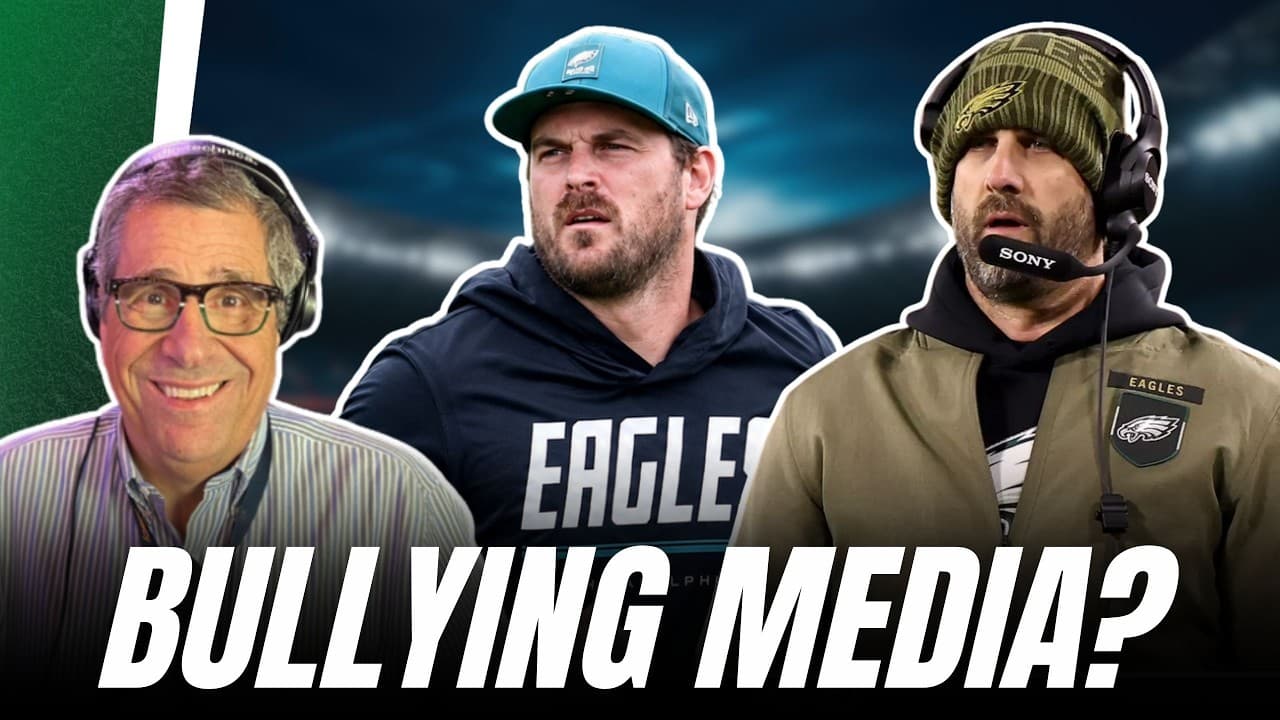
The Eagles' disciplined media operation can limit useful information about injuries, accountability and football decisions. Philadelphia fans deserve reporting that tests the team's narrative instead of merely repeating it.
The JAKIB Staff
contributor
The Philadelphia Eagles understand the modern media game as well as any franchise. Players and coaches arrive with disciplined talking points, difficult subjects are redirected, and sensitive information stays inside the building. That control protects competitive interests, but it can also leave fans with less useful reporting about injuries, accountability and major football decisions.
The real concern is not that the Eagles want to manage their message. Every professional team does. The concern is whether Philadelphia's media institutions still challenge that message hard enough to produce information the public cannot get from a team-owned channel.
Access creates pressure even without an explicit order
A team does not need to demand favorable coverage directly to influence it. Access itself has value. Reporters need interviews, credentials and working relationships. Radio partners need broadcasts and guests. Media companies need attention in a crowded market.
Those incentives can make confrontation expensive. A reporter may still ask a difficult question, but the follow-up becomes easier to skip. An editor may prefer a clean daily update over a deeper story that threatens access. A broadcast partner may frame an interview as entertainment instead of accountability.
None of that proves a coordinated effort to suppress reporting. It does show why independence requires active protection. When the subject controls the most valuable access, journalists have to create distance through sourcing, persistence and clear standards.
The audience loses when a press conference becomes a series of prepared statements. Injury timelines remain unclear. A coaching decision is described without explaining who made it. A personnel mistake becomes a vague lesson about improvement. The words are technically responsive, but the football question remains unanswered.
Philadelphia needs reporting beyond the podium
Press conferences are only one reporting tool. Useful coverage also comes from film study, league sources, contract records, roster patterns and direct comparison between public claims and game-day decisions.
If the Eagles insist that a player is progressing, the next step is not another version of the same quote. It is an examination of snap counts, role, technique and competition at the position. If a coach avoids assigning responsibility for a failed adjustment, reporting should trace the decision through the structure of the staff.
That work matters because fans are not asking for gossip. They are trying to understand why a contender wins, why it fails and what the organization plans to change. A polished answer may preserve harmony inside the building while offering almost nothing to the people funding and following the team.
The standard should also differ by platform. A team broadcast partner has commercial obligations that a newspaper does not share. A radio interview may prioritize personality and access. Independent news coverage should have a higher obligation to test claims and pursue information the team would rather keep private.
Tough coverage can strengthen the football conversation
Aggressive reporting is not hostility. The goal is accuracy, context and accountability. An honest story can recognize that the Eagles have legitimate competitive reasons for secrecy while still explaining the cost of that secrecy.
The healthiest relationship between a team and its press corps includes tension. The Eagles should defend their interests. Reporters should defend the public's need for useful information. When either side stops doing its job, coverage turns into promotion or conflict for its own sake.
Philadelphia is a sophisticated football market. Fans can handle uncertainty, disagreement and an incomplete answer. What they should not receive is a rehearsed answer presented as meaningful disclosure.
The next important injury, roster decision or coaching controversy will test the system again. The Eagles will shape their narrative. The question is whether Philadelphia's independent media will investigate the football reality beneath it.
Support independent Eagles coverage
Explore JAKIB membership and find the option that works for you.
The JAKIB Staff
AI-powered content assistant for JAKIB Sports. Articles generated from show transcripts and Eagles coverage.
Related Articles
The Eagles’ Coaching-Hire Debate Has Three Different Decisions
Recommendation, coaching selection and ownership approval carry different kinds of influence. Separating them makes the Eagles’ Mannion debate more useful—and keeps private pressure from becoming an invented fact.
Cam Jurgens’ Return to Center Gives the Eagles a New Comparison
Cam Jurgens says returning to center feels natural as he learns Baltimore’s offense. His next performances can sharpen the Eagles’ role and scheme debate, with clear limits on coaching conclusions.
The Eagles’ Message to Jalen Hurts Reaches the Entire Locker Room
The Eagles and Nicole Lynn have issued a health update on Jalen Hurts. A direct ownership commitment could add a message about support that reaches his teammates, without claiming to resolve private or medical questions.
Tanner McKee’s Split Summer Leaves an Unfinished Development Question
Tanner McKee’s summer competition and uneven preparation leave a development question. A steadier practice role can help the Eagles evaluate him without pretending to explain his confidence.
Three-and-Outs Are Turning the Eagles’ Defense Into an Attrition Test
Carolina’s 79 offensive snaps put a concrete number on the burden facing the Eagles’ defense. Sustained offensive possessions and defensive stops on favorable third downs would address different parts of the same workload problem.
The Eagles’ Coaching Verdict Cannot Ignore the Roster
The Eagles’ coaching evaluation has to account for roster limitations without letting them excuse every failure. Protection assignments and the staff’s adjustments offer a more useful test than a blanket verdict.
Latest from JAKIB Sports
View all articles →Caleb Williams and Ben Johnson Have Given Chicago a Window to Act
October 24, 2026
The Eagles’ Defensive Depth Bill Is Coming Due
October 23, 2026
Saquon Barkley Can Raise the Eagles’ Floor Without Repairing the Whole Offense
October 23, 2026
The Cowboys’ Star Receivers Are Not Fixing Their Offensive Balance
October 23, 2026