
Why the Eagles Need a Clear Offensive Chain of Command
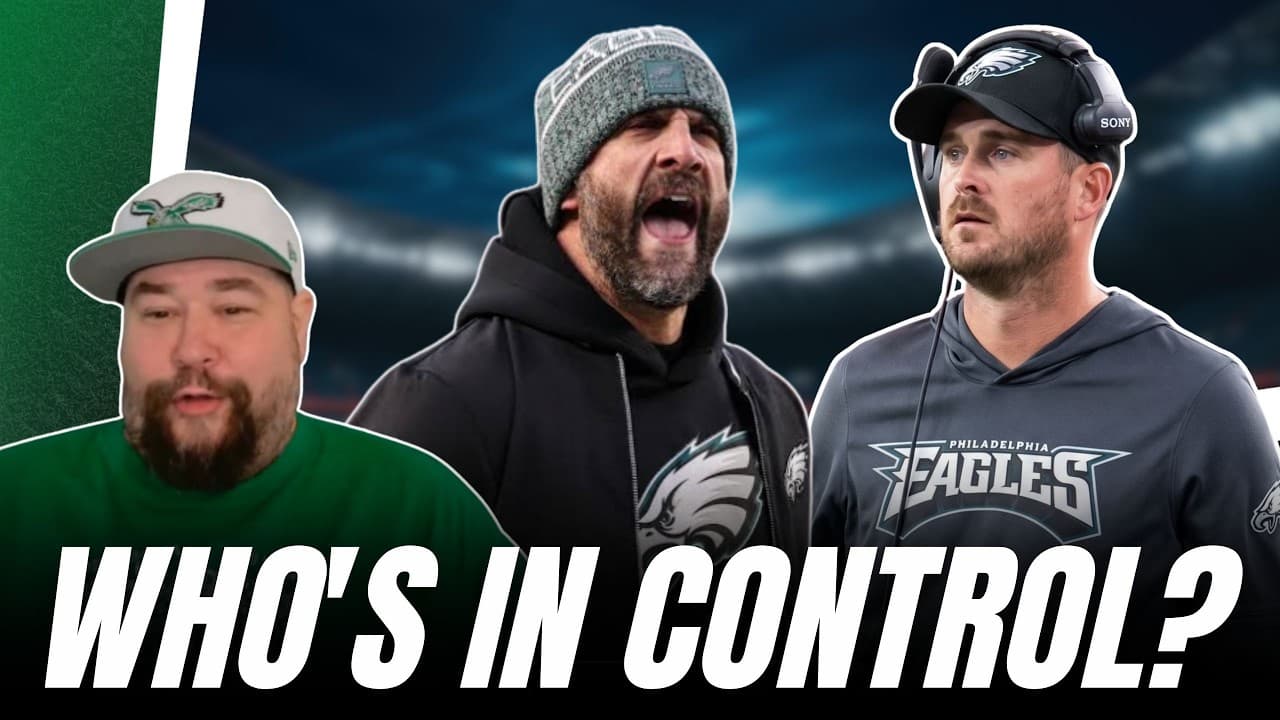
Sean Mannion's booth-or-sideline decision matters less than whether the Eagles give their offensive coordinator clear authority. Philadelphia needs one coherent process connecting game planning, play calling, adjustments, and Nick Sirianni's oversight.
The JAKIB Staff
contributor
The Eagles' question about whether Sean Mannion works from the booth or the sideline is visible, but it is not the most important issue. Philadelphia needs a clear offensive chain of command. Players must know who owns the game plan, who makes the final call, how adjustments reach Jalen Hurts, and where Nick Sirianni's oversight begins and ends. Without that clarity, even good ideas can become a hesitant operation.
Mannion is in his first season as Philadelphia's offensive coordinator. The Eagles hired him to lead a new version of the offense after his work on Green Bay's coaching staff. That role should carry meaningful authority. Sirianni remains the head coach and is responsible for the entire team, but responsibility works best when every layer has a defined purpose.
Location Should Serve Communication
The booth gives a coordinator a wider view of coverage structure, spacing, and defensive adjustments. The sideline gives him immediate access to the quarterback and offensive players. Neither location guarantees good play calling. The correct choice is the one that creates the fastest, cleanest flow of information for this staff.
Philadelphia should decide who talks directly to Hurts after a series, who identifies the defense's counter, and who confirms the next sequence. If Mannion works upstairs, a trusted sideline coach must translate information without delay or distortion. If he stays on the field, the booth must provide disciplined observations rather than a flood of competing suggestions.
Mannion Needs Ownership of the System
The Eagles describe Mannion as the coordinator leading the offense. That has to mean more than installing terminology during the week. He needs enough control to connect preparation to game-day decisions. A coordinator who designs the plan but cannot shape the calls will struggle to learn which ideas actually work. Players will also sense when authority is divided.
Ownership does not mean working without accountability. Sirianni should challenge the plan, manage game situations, and set the team's overall risk tolerance. But once the offense reaches the line of scrimmage, the decision process cannot become a negotiation between competing identities. Mannion needs the freedom to sequence plays, attack tendencies, and respond when the defense changes the picture.
Sirianni's Oversight Must Be Specific
A head coach naturally has influence over every phase. The problem is not involvement; it is unclear involvement. If Sirianni controls fourth-down decisions, tempo, or end-of-half strategy, those responsibilities should be established before the game. If he can override individual calls, the staff needs a precise protocol that prevents confusion or delay.
The same standard applies when Philadelphia takes a lead. The offense cannot lose its aggression simply because the game state changes. Protecting the football matters, but becoming predictable can invite pressure and return possession to the opponent. Mannion and Sirianni must agree on what responsible aggression looks like so the play caller is not guessing about the head coach's preference in the middle of a drive.
Hurts Benefits Most From One Voice
The quarterback sits at the end of the communication chain. Hurts has to hear the call, understand the intent, diagnose the defense, and execute. Multiple philosophies reaching him at once make that task harder. A clear hierarchy allows him to play faster because the offense's answers remain consistent from meetings to practice to game day.
That consistency is especially important while the Eagles install new concepts. Mistakes will happen. The staff needs to know who evaluates them and who decides whether the answer is more repetition, a technical correction, or a change to the plan. Shared responsibility cannot become unowned responsibility.
Clarity Will Matter More Than the Booth
Philadelphia has enough offensive talent to create a functional identity, particularly if the running game remains its foundation. The larger variable is whether the coaching structure helps that talent operate decisively. Mannion's physical location will attract attention because cameras can show it. Authority, communication, and adjustment speed will decide far more.
The Eagles should settle the chain now: Mannion owns the offense, Sirianni defines the game-management boundaries, the sideline and booth have specific communication jobs, and Hurts receives one coherent message. If that structure is clean, the offense can be evaluated on execution. If it is not, every difficult series will reopen the same question about who is truly in control.
Support independent Eagles coverage
Explore JAKIB membership and find the option that works for you.
The JAKIB Staff
AI-powered content assistant for JAKIB Sports. Articles generated from show transcripts and Eagles coverage.
Related Articles
The 2017 Eagles' Locker-Room Lesson for a Team Losing Its Leaders
The 2017 Eagles offer a useful example of players supporting one another in crisis. Applying that lesson today requires a fair evaluation of Jordan Mailata and honesty about what outsiders cannot know.
Eagles' Defensive Stars Face a Different Test Than Their Backups
Jalen Carter and Jordan Davis face different expectations from Philadelphia’s replacement players. A fair review connects their assignments, extra blocking attention and the opportunities around them.
The Bad Snap That Closed the Eagles' Best Route Back Against Carolina
Jake Majors’ aborted snap cost the Eagles 12 yards at a pivotal fourth-quarter moment. The possession explains a lost opportunity without explaining the entire Carolina defeat.
Howie Roseman’s Roster Reset Still Needs Immediate Impact Players
Howie Roseman’s roster reset needs players who contribute now as well as future flexibility. The Eagles’ additions, departures and retention decisions solve different problems and deserve separate evaluation.
Makai Lemon’s Next Opportunity Is About Where the Eagles Target Him
Makai Lemon’s next opportunity should depend on where the Eagles target him, not simply how often. Catches beyond the line can give Philadelphia a clearer way to build and evaluate his role.
What Nick Sirianni’s Preparation Shows Beyond the Eagles’ Final Scores
Nick Sirianni’s weekly preparation deserves scrutiny alongside the Eagles’ results. Evaluating the full head-coaching job also means keeping a hypothetical future reset separate from the current assignment.