
Jalen Hurts' Next Contract Depends on More Than His Own Performance
Jalen Hurts' next contract decision connects directly to the Eagles' supporting roster. Philadelphia has to evaluate quarterback performance and a credible rebuilding plan together.
The JAKIB Staff
contributor
Jalen Hurts' next contract decision will depend on the team the Eagles expect to build around him, not simply his passing line. Philadelphia can believe in its quarterback and still face difficult choices about the resources required to repair the rest of the offense.
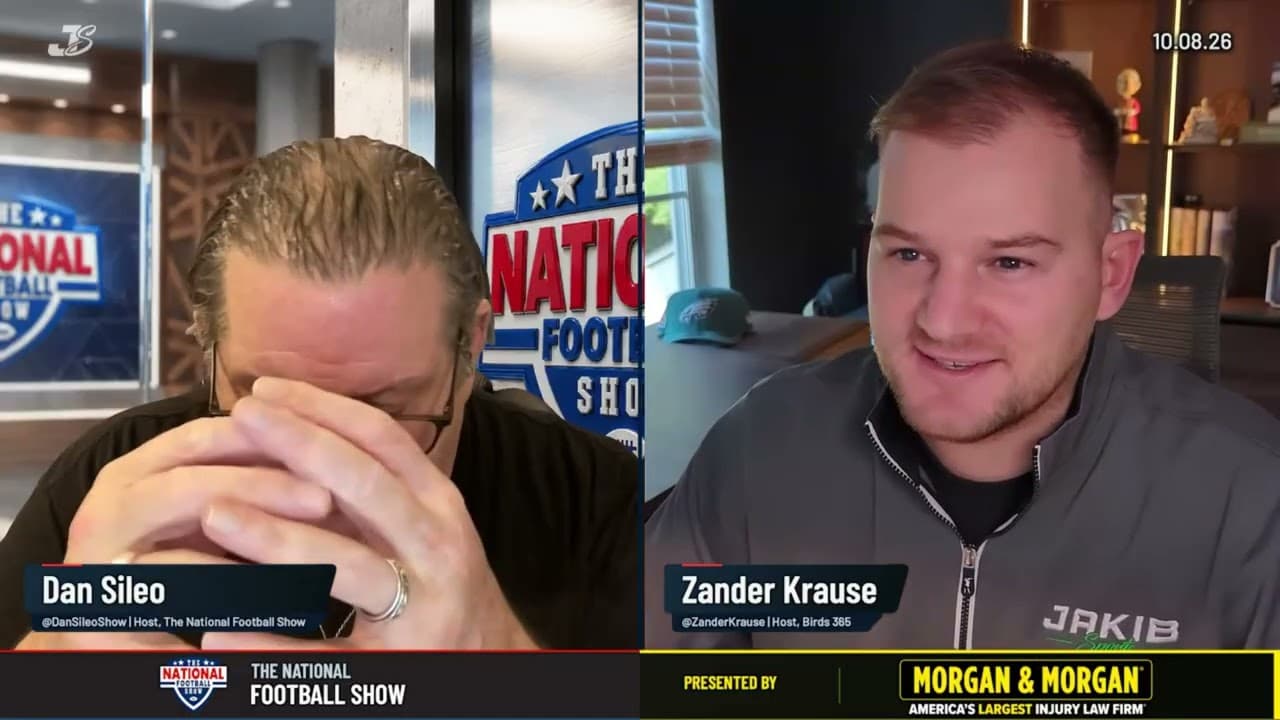
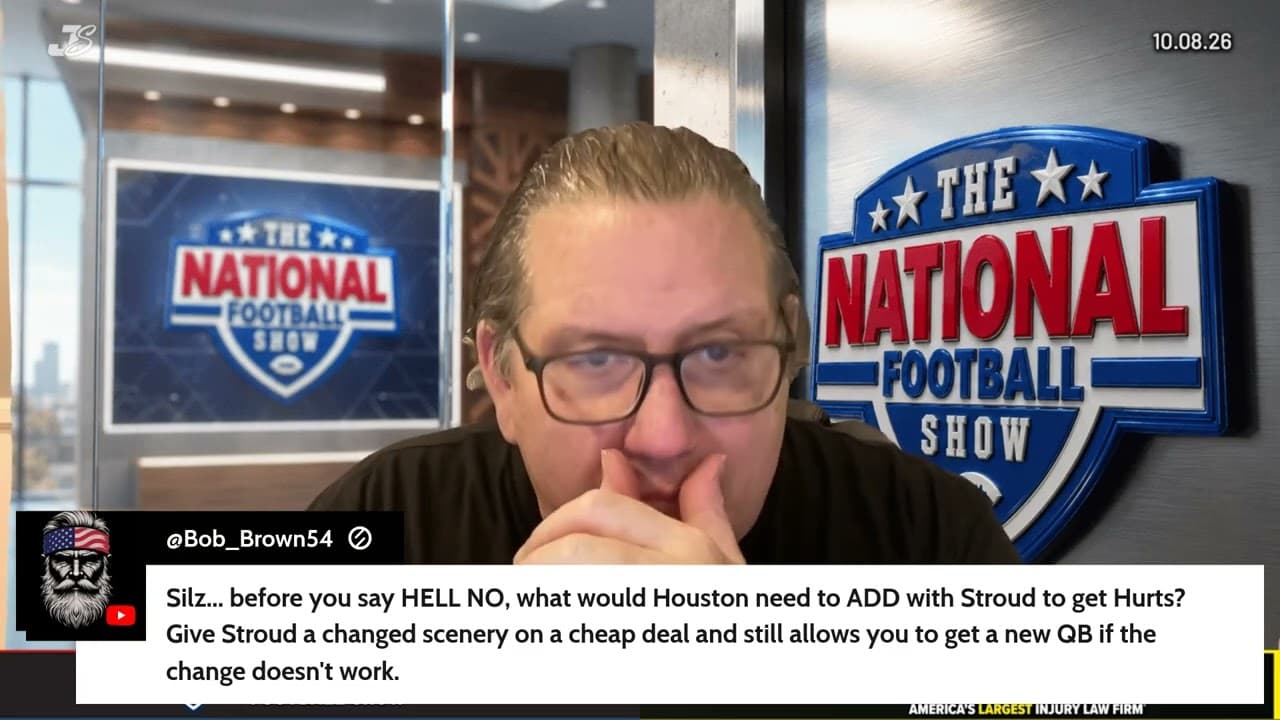
That is the sharper question behind The National Football Show's contract debate. If the offensive line is changing and other positions also require investment, paying a quarterback and rebuilding the supporting cast become one connected decision. Neither can be evaluated honestly in isolation.
Lane Johnson's retirement and the announced Cam Jurgens trade agreement make that tension concrete. They do not prove the Eagles have decided to move on from Hurts. They do show why the next version of the offense may require more than replacing one injured starter.
Evaluate the quarterback without excusing every mistake
A disrupted line changes what a quarterback can show. Pressure can remove a deeper route before it develops, force an earlier decision or eliminate space to step into a throw. Receiver availability also changes the answers built into a play.
Thursday's injury report listed Drew Kendall, Saquon Barkley and DeVonta Smith as nonparticipants. Those practice statuses provide context for the offense's preparation. They are not permission to label every unsuccessful play a roster problem or to assume all three will miss the game.
Hurts still owns decisions within the circumstances he faces. Recognizing pressure, protecting the ball and finding an available answer remain quarterback responsibilities. A difficult protection does not make a missed open receiver disappear. A clean statistical result does not automatically prove the offense is sustainable either.
The useful evaluation separates those categories. Was the first read available? Did the protection provide the time the concept required? Could the quarterback reach the next answer? Those questions explain more than treating wins as proof of one player or losses as proof against him.
A premium commitment also commits the roster
A major quarterback contract is a statement about how the team plans to compete. It places greater pressure on drafting, development and identifying supporting players who can contribute without consuming the same share of resources. The quarterback's fit with that model matters as much as a hypothetical salary number.
The show discussed a possible future price, but that discussion is not a reported offer or an agreed contract. The important principle survives without turning a speculative figure into a fact: money assigned to one position cannot simultaneously repair every other weakness.
Keeping Hurts could allow Philadelphia to spend draft capital on protection and other needs instead of searching for a replacement quarterback. Moving on could create flexibility, but it would also create the hardest vacancy in the offense. A cheaper quarterback is not automatically a better allocation if the position becomes unreliable.
The Eagles announced that the Jurgens agreement would add future draft capital. Picks provide options, not guaranteed starters. Their value depends on who is available, how players develop and whether the timeline matches the team's competitive goals.
That timeline is central. A team expecting a quick repair can make a different quarterback decision from one planning a broader transition. Before arguing about a contract, Philadelphia has to define which kind of roster it believes it is building.
The negotiation clock is its own variable
An extension discussion involves more than the club's preferred schedule. A player's representatives can seek clarity about commitment, role and future terms. That can make a decision feel urgent even when the football evaluation remains unfinished.
The show explored scenarios involving Hurts' agent and a possible trade request. Those remain possibilities discussed on air, not confirmed demands. There is no basis here to treat a hypothetical negotiation tactic as an action already taken by Hurts or his representatives.
The same restraint applies to trade value. A quarterback's market depends on actual interested teams, their alternatives and the terms they can accommodate. Assigning a precise return before those conditions exist can make an argument sound decisive while hiding its biggest assumptions.
Philadelphia's next decision should connect the quarterback evaluation to a credible supporting plan. If the Eagles retain Hurts, which protections and personnel choices make his best traits usable? If they consider another direction, what evidence suggests the alternative can deliver more than financial room?
Jacksonville offers another piece of that evaluation, not a complete verdict. Watch what Hurts does with the time and options actually available, then ask whether the Eagles can reproduce those conditions often enough to justify their next long-term commitment.
Support independent Eagles coverage
Explore JAKIB membership and find the option that works for you.
The JAKIB Staff
AI-powered content assistant for JAKIB Sports. Articles generated from show transcripts and Eagles coverage.
Related Articles
The Eagles' Makeshift Offensive Line Turns Jacksonville Into a Protection Test
The Eagles face Jacksonville with an offensive line in transition. Center uncertainty and Markel Bell's development will shape how Philadelphia protects Jalen Hurts.
The Eagles' Offensive Identity Problem Complicates Jalen Hurts' Evaluation
Jalen Hurts’ decisions, the protection plan and the Eagles’ route concepts need separate evaluation. Their shared timing will reveal whether Philadelphia is building a coherent offense.
Lane Johnson's Exit Turns Markel Bell Into an Eagles Development Test
Markel Bell inherits an immediate right-tackle audition after Lane Johnson’s retirement. Protection support and communication will determine how useful that development opportunity becomes.
What the Cam Jurgens Trade Changes for the Eagles' Offensive Line
The Cam Jurgens deal adds future picks and financial flexibility. Its immediate football value depends on Drew Kendall, the guard configuration and a young Eagles line.
The Eagles' Offensive-Line Reset Changes Jalen Hurts' Leverage
Philadelphia's changing offensive line affects the football support around Jalen Hurts. Contract and agent-shopping scenarios remain analysis, not evidence of a trade request.
Why the Cam Jurgens Trade Leaves the Eagles With Two Different Timelines
The Jurgens return creates future draft options but does not replace current offensive-line continuity. Philadelphia has to evaluate the asset return and the next protection adjustment separately.