
Ben Johnson Gives the Bears a Plan Beyond Their Starting Quarterback
Ben Johnson gives Chicago more than a decision about who starts at quarterback. The Bears’ larger opportunity is to make the offense and defense function as a coordinated plan rather than depend on one passer to rescue every possession.
The JAKIB Staff
contributor
Ben Johnson gives Chicago more than a decision about who starts at quarterback. The Bears’ larger opportunity is to make the offense and defense function as a coordinated plan rather than depend on one passer to rescue every possession.
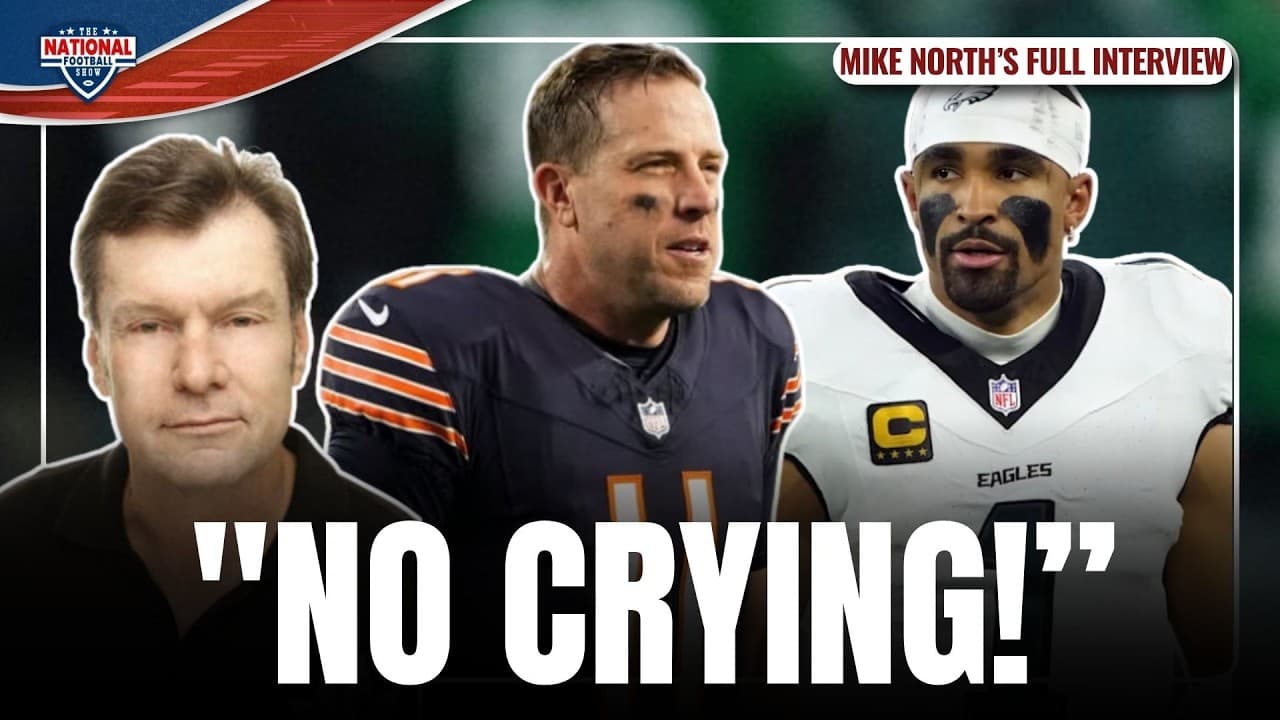
That distinction matters to Philadelphia after the Eagles’ official news coverage recorded a 27–7 loss to Chicago. Philadelphia should study how Chicago created workable answers instead of treating the loss as a collection of isolated mistakes.
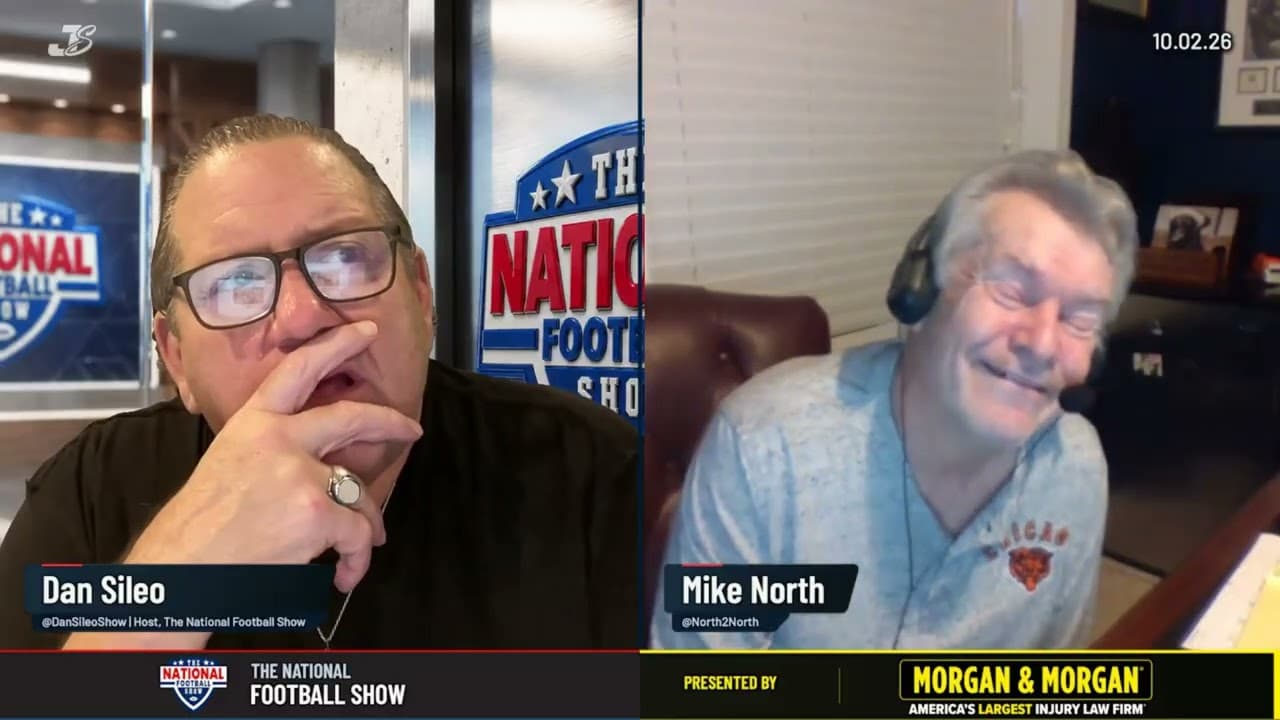
The National Football Show discussion connected quarterback choices, run design and defensive preparation. Its most useful point was not a historical coaching ranking. It was that a coach earns trust by giving the available players clear jobs and adapting when the first answer fails.
The quarterback decision is part of the plan
Choosing a starter should follow the offense’s actual requirements. The coach needs to know which protections the passer can manage, which throws arrive on schedule and how the running game can keep the offense from becoming predictable.
That is more useful than treating the decision as a public referendum on loyalty. A backup should not receive an entirely unrecognizable offense, but asking him to reproduce every strength of the preferred starter can create its own problems.
The working goal is a set of calls the quarterback can execute confidently. Early completions can establish timing. A coherent run threat can influence defensive positioning. Protection rules can give the passer an answer when the defense changes its presentation.
None of those choices guarantees a win. They give the coaching staff something concrete to evaluate when a possession fails. Was the call available? Did the quarterback identify the pressure? Did a receiver or blocker miss the assignment that made the design work?
That process also explains why a staff can debate a decision without appearing directionless. Different coaches can offer information about execution and matchup. The head coach remains responsible for turning those views into one consistent game plan.
Run design can support more than rushing totals
An effective running game is not simply a demand for toughness. Alignments, movement and timing can change which defender has to make a decision and how quickly he must make it.
A run threat can help a quarterback even when the defense stops a particular carry. If the action requires a linebacker to respect one path before covering another, the offense may create a cleaner throwing window on a complementary play.
The challenge is to make the actions resemble each other closely enough to matter. Motion without a meaningful consequence becomes decoration. A deceptive exchange that creates confusion for the offense is not a productive tradeoff.
Against Philadelphia, the lesson is to examine how Chicago made the defense commit. Which looks changed a linebacker’s leverage? Which blocking angles affected the front? Did the Eagles recognize the call and still fail to execute, or did the design leave them choosing between two uncomfortable responsibilities?
Those are different failures and call for different corrections. A better tackle may solve one snap. A recurring assignment conflict requires a change in preparation or structure.
Defensive preparation belongs in the evaluation
The quarterback receives much of the attention because his decisions are visible. A defense that repeatedly ends possessions can create a much more forgiving environment for the offense, especially if the lineup is not at full strength.
That was part of the Chicago discussion as well: coordinated preparation can matter beyond the offensive play caller. A defensive plan that identifies an opponent’s limited answers can force it toward the situations it handles least comfortably.
For the Eagles, that makes the correction larger than asking Hurts to be better. Philadelphia should examine whether its protections, routes and run calls offered reliable alternatives once Chicago took away an initial preference.
A strong result still does not place Johnson alongside championship coaches. Weather can change the timing and availability of passing concepts. Opponents can adjust to tendencies. Situational decisions still have to withstand criticism when aggression fails.
The trophy caveat in the source discussion is worth retaining. An encouraging plan and a lasting championship record are different forms of evidence. Chicago can have a promising coach without every comparison to a historical great being justified.
The next useful question is whether that plan survives an uncomfortable game: a different quarterback, difficult conditions or a defense that removes the first option. Philadelphia should watch for the same thing in its own response—clear alternatives that players can execute before the game demands a rescue.
Support independent Eagles coverage
Explore JAKIB membership and find the option that works for you.
The JAKIB Staff
AI-powered content assistant for JAKIB Sports. Articles generated from show transcripts and Eagles coverage.
Related Articles
Cam Jurgens’ Return to Center Gives the Eagles a New Comparison
Cam Jurgens says returning to center feels natural as he learns Baltimore’s offense. His next performances can sharpen the Eagles’ role and scheme debate, with clear limits on coaching conclusions.
Johnny Mundt’s Blocking Role Is Smaller Than the Eagles’ Offensive Demand
Johnny Mundt can have value in a defined movement role. Philadelphia’s broader tight-end demands require a closer look at assignments and workload, rather than a universal blocking label.
Tanner McKee Needs a Pocket Before the Eagles Can Judge This Offense
Tanner McKee needs protection and a receiving answer he can use against Dallas pressure. The Eagles should give him those opportunities Monday, then hold him accountable for the available throws.
Eagles-Cowboys Could Turn a Division Race Into a Trade-Deadline Decision
Monday’s Eagles-Cowboys game opens a three-game division stretch before the November 10 trade deadline. Philadelphia should use the performances to decide which roster moves support a credible competitive plan.
A One-Year Bridge Could Separate the Eagles’ Jalen Hurts Decisions
A proposed one-year bridge would let the Eagles separate immediate continuity from a long commitment to Jalen Hurts. Its value would depend on the football evidence and the agreement both sides could reach.
The Eagles’ Line Rebuild Has Two Different Clocks
The Eagles can pursue a faster interior rebuild while treating tackle succession as a separate problem. That distinction changes how they should spend picks and evaluate veterans.