
Moro Ojomo's Trade Value Comes With an Uncertain Comp-Pick Alternative
A concrete trade return and a conditional compensatory pick carry different risks. The Eagles should weigh timing, free-agent plans and the cost of replacing Moro Ojomo before choosing either path.
The JAKIB Staff
contributor
The Eagles should judge a Moro Ojomo trade against what keeping him could actually deliver. A possible compensatory pick belongs in that calculation, but treating it as a guaranteed return would make the decision look easier than it is.
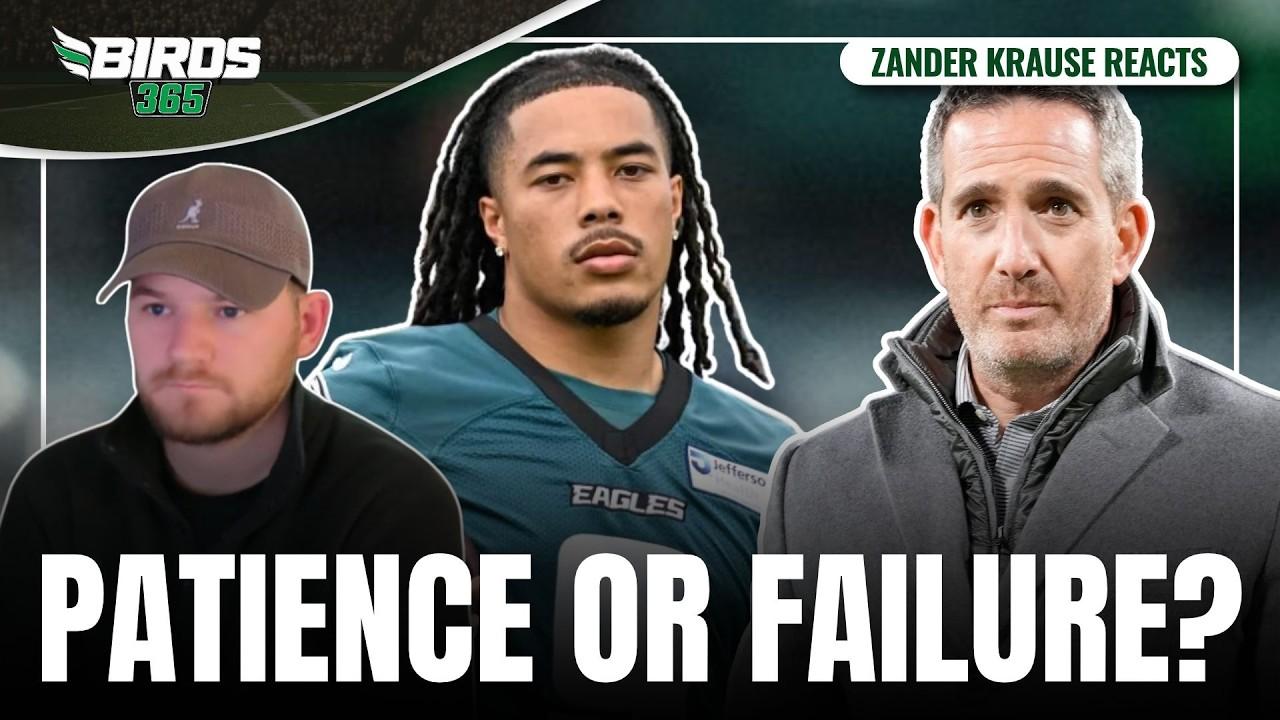
Ojomo is in his rookie contract's final year; a potential compensatory selection would come in 2028. NFL.com contract and timing context.
That creates three different choices to evaluate: trade him, try to keep him beyond this season, or retain him now and potentially lose him in free agency. The third option should not quietly become the default just because a future draft pick sounds reassuring.
The compensatory route depends on free agency
The NFL awards compensatory selections in rounds three through seven. Its calculation compares qualifying free agents lost and gained. A departure alone does not guarantee compensation, and qualifying additions can offset losses. NFL draft rules.
For Philadelphia, the consequence is practical. Keeping Ojomo to pursue a possible pick also means accepting uncertainty about the rest of the roster-building plan. The Eagles should not evaluate his potential departure in isolation from the players they might want to sign.
Suppose an outside addition would make the defense better. Passing on that player simply to protect hypothetical compensation could turn a sensible asset strategy into an obstacle. The front office should want the freedom to improve the roster, rather than feel obligated to defend a projection made months earlier.
None of that makes compensatory picks worthless. It makes them contingent. There is a substantial difference between assigning some value to a possible outcome and entering that outcome into the books as though it has already happened.
The same discipline applies to the round. Ojomo has no guaranteed compensatory award. A discussion that starts with an assumed premium pick skips the very question the Eagles need to answer: how much uncertainty are they willing to carry?
Put the actual trade terms beside the alternatives
A real offer would give Philadelphia something concrete to evaluate. Its year, conditions and selection would matter. An unconditional selection and one dependent on future events should not be treated as interchangeable just because the headline names the same round.
This is not a report that an offer exists. The team's official transaction ledger, checked November 9, contained no announced Ojomo trade or extension. That leaves negotiations unknown; an announcement log cannot tell us what private conversations have occurred. Eagles transactions.
The standard should be straightforward: take a return that meaningfully improves the roster-building options over the realistic alternatives. Do not accept a weak deal simply to make a transaction. Do not reject a useful one because the best imaginable compensatory outcome has become the asking-price floor.
Timing deserves its own weight. A selection that arrives sooner could help a rebuilding effort sooner, although an earlier pick still has to become a productive player. Philadelphia should compare complete packages rather than attach identical value to every mention of a draft round.
Keeping Ojomo also has a football benefit to weigh: retaining a player instead of creating a vacancy. If the Eagles value his continued role or want a longer agreement, that case should stand on its own. It should not hide behind a claim that compensation will take care of everything later.
The original investment should not dictate the next move
Philadelphia selected Ojomo 249th overall in the seventh round of the 2023 draft. Eagles' 2023 transaction record.
That acquisition cost is history. It should not become a reason to celebrate any return as a win, nor a reason to keep a player merely because developing him required patience. The relevant question is what each choice would give the Eagles from here.
For a defense considering change, that means weighing the replacement plan alongside the asset return. Moving a player without deciding who takes the work can create another problem. Keeping him without an honest assessment of the contract alternatives can postpone the same problem.
The next useful development is a concrete transaction or contract decision. Until then, the Eagles should price the uncertainty openly. The Eagles should compare that uncertainty with the value of a worthwhile deal today.
Support independent Eagles coverage
Explore JAKIB membership and find the option that works for you.
The JAKIB Staff
AI-powered content assistant for JAKIB Sports. Articles generated from show transcripts and Eagles coverage.
Related Articles
The Eagles Trade Deadline Is About Value, Not a Roster Fire Sale
The Eagles can move veterans without dismantling their next roster. Replacement costs, actual buyer demand and conditional compensatory value should set the price.
The DeVonta Smith Trade Question Starts With the Eagles’ Next Quarterback
Keeping DeVonta Smith should be the starting position. The case for a trade depends on the next quarterback, the rebuilding timeline and an actual return.
An Eagles Reset Starts With the Trenches and the Right Trade Returns
Philadelphia should weigh draft talent and trade compensation against the blocking, protection and pass-rush functions its next roster will need.
The Eagles Can’t Price Their Trade Chips on Reputation Alone
Landon Dickerson, Dallas Goedert and Saquon Barkley present different trade questions. Philadelphia should judge a hypothetical return against buyer fit and the football it would surrender.
Clint Hurtt’s Challenge Is Turning Eagles Talent Into Reliable Run Fits
Clint Hurtt’s teaching can make the Eagles’ defensive assignments clearer and more repeatable. The test reaches beyond the tackles to the linebackers relying on the front to do its job.
Why a Losing Record Can Shrink the Eagles’ Trade Options
At 2–5, the Eagles should evaluate trade targets against more than an attractive asking price. Quenton Nelson’s Seattle move raises a fit question without establishing that Philadelphia made an offer or that he rejected it.
Latest from JAKIB Sports
View all articles →Merrill Reese Is Part of the Eagles Experience, Even in a Lost Season
November 9, 2026
Joe Milton’s First Start Exposed an Offense That Needs to Get Simpler
November 9, 2026
The Eagles’ Reset Has to Reach Beyond the Head Coach
November 9, 2026
Caleb Williams’ Improvement Starts With the Structure Around Him
November 7, 2026