
Vic Fangio's Development Pipeline Is Reshaping the Eagles' Contract Decisions
Vic Fangio is expanding the value of the Eagles defense through the development of Jalyx Hunt, Moro Ojomo and a young secondary. That success creates difficult but healthy contract decisions.
The JAKIB Staff
contributor
Vic Fangio's greatest value to the Philadelphia Eagles is not a single coverage call. It is the development pipeline forming across the defense. Young players are gaining clearer roles, veterans are being placed in situations that fit their strengths, and the front office is being forced to think several contracts ahead.
That is why the rise of Jalyx Hunt and Moro Ojomo matters beyond one strong training-camp practice. Every defender Fangio helps elevate changes the Eagles' roster math.
Jalyx Hunt is changing the edge conversation
Hunt entered the league as a developmental athlete. The appeal was obvious, but projection is not production. His camp progress is beginning to turn that projection into a real role, and that puts pressure on the entire edge-rusher room.
The immediate debate often gets reduced to Hunt versus Nolan Smith. That framing is useful because both players need snaps, but the bigger question is whether Philadelphia can develop enough internal pass rush to avoid chasing expensive external fixes every offseason.
If Hunt can win with length, effort and improving technique, the Eagles gain a cost-controlled edge player who fits Fangio's front. That gives the front office options when other contracts come due. It also creates competition based on performance rather than draft status.

Moro Ojomo makes the interior math harder
Ojomo represents a different version of the same issue. Interior defensive-line depth is essential in Fangio's system, but productive linemen become expensive quickly. The Eagles already have major resources tied to the defensive front, and another ascending player forces a decision about where the next dollar should go.
The correct response is not to fear having too many good defenders. It is to identify which traits are hardest to replace. Interior disruption, reliable run defense and the ability to play across alignments carry real value. If Ojomo continues to grow in those areas, his next contract becomes part of the core roster discussion rather than a depth decision.
Fangio's structure helps reveal that value. Clear assignments allow evaluators to separate a player's actual impact from chaos around him. When a defender consistently handles his job and creates pressure beyond it, the tape becomes difficult to ignore.
The secondary completes Fangio's pipeline
The same development effect is visible behind the front. Quinyon Mitchell and Cooper DeJean already give the Eagles foundational pieces. Riq Woolen brings rare size and movement ability. Jihaad Campbell and Jeremiah Trotter Jr. create a linebacker plan that can evolve over multiple seasons.
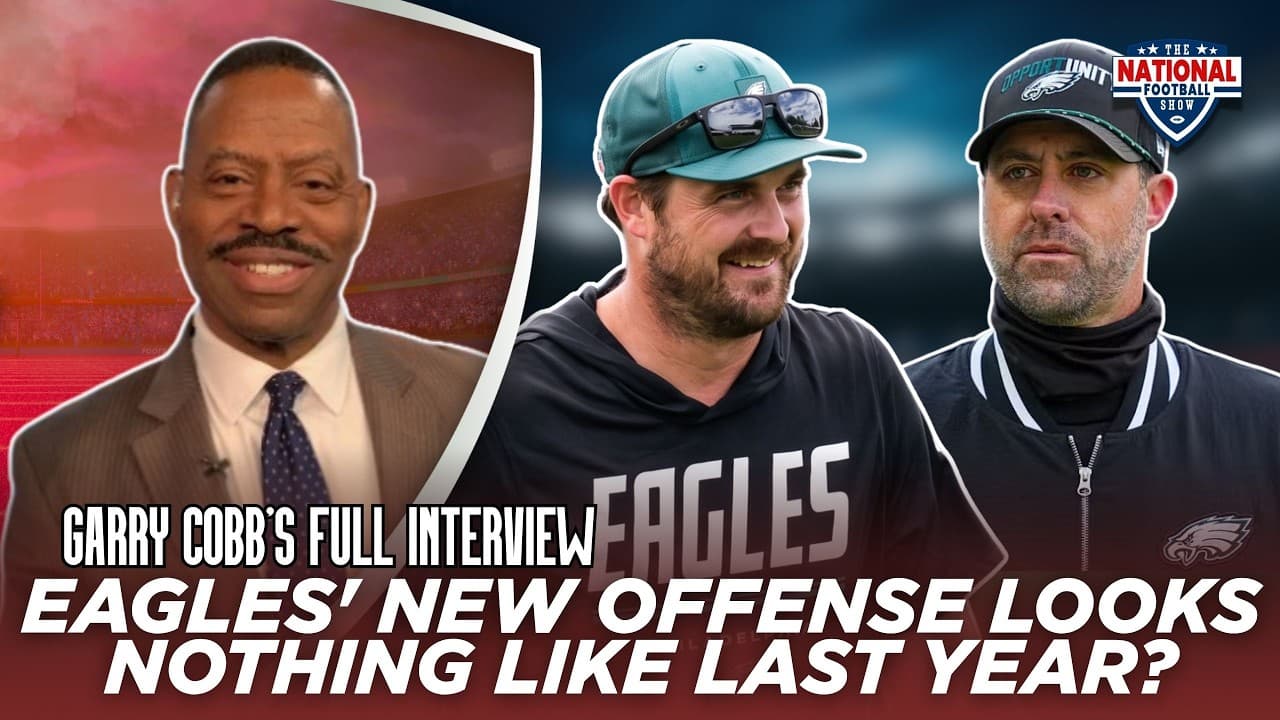
Garry Cobb's on-site camp report reinforced the point: this defense has competition, flexibility and young players pushing for meaningful work. That does not settle every role. It gives Fangio options, which is the currency of modern defense.
Development creates difficult but healthy choices
The Eagles cannot pay every defender. Mitchell and DeJean will eventually command major attention. The defensive line already carries premium expectations. Linebacker and edge decisions will arrive before every current name can be retained.
That makes role clarity essential. Philadelphia has to know which players can handle premium snaps, which specialists can be developed affordably and which position groups Fangio can replenish without paying the open-market price.
That pressure is not a failure of roster construction. It is the result of development working. The teams that sustain success do not keep everyone; they continually produce replacements and pay the players whose value is most difficult to reproduce.
Fangio is helping Philadelphia build that kind of system. Hunt, Ojomo and the young secondary are not isolated camp stories. They are evidence that coaching can expand the roster's value. The next challenge belongs to the front office: decide which gains are foundational, which can be replaced and how to keep the pipeline moving.
Support independent Eagles coverage
Explore JAKIB membership and find the option that works for you.
The JAKIB Staff
AI-powered content assistant for JAKIB Sports. Articles generated from show transcripts and Eagles coverage.
Related Articles
Tanner McKee’s Split Summer Leaves an Unfinished Development Question
Tanner McKee’s summer competition and uneven preparation leave a development question. A steadier practice role can help the Eagles evaluate him without pretending to explain his confidence.
Eagles-Cowboys Could Turn a Division Race Into a Trade-Deadline Decision
Monday’s Eagles-Cowboys game opens a three-game division stretch before the November 10 trade deadline. Philadelphia should use the performances to decide which roster moves support a credible competitive plan.
Technique Gives Jeremiah Trotter Jr. a Case for More Eagles Snaps
Jeremiah Trotter Jr.’s technique gives the Eagles a reason to examine a larger role. A rotation with Jihaad Campbell can reveal whether recognition, communication and execution hold up as the workload expands.
Jeremiah Trotter Jr. Versus Jihaad Campbell Is an Instincts-and-Development Decision
The Eagles' linebacker debate separates dependable execution today from long-term development. Recognition and athletic ability need different tests, not permanent labels.
Lane Johnson's Exit Turns Markel Bell Into an Eagles Development Test
Markel Bell inherits an immediate right-tackle audition after Lane Johnson’s retirement. Protection support and communication will determine how useful that development opportunity becomes.
Jalen Hurts’ Development Tests the Eagles’ Offensive Structure
Jalen Hurts' development tests the Eagles' offensive structure because quarterback improvement depends on more than the player's individual work. Philadelphia also has to provide clear rules, connected concepts and a coaching operation that turns corrections into usable answers.
Latest from JAKIB Sports
View all articles →Dallas’ Third-and-Long Failures Give the Eagles a Specific Opening
October 23, 2026
The Eagles’ Coaching-Hire Debate Has Three Different Decisions
October 23, 2026
Cam Jurgens’ Return to Center Gives the Eagles a New Comparison
October 23, 2026
The Eagles’ Message to Jalen Hurts Reaches the Entire Locker Room
October 23, 2026