
The Eagles’ Thanksgiving Rematch Starts With Dallas’ Run Game
Dallas’ first win showed how Javonte Williams could sustain drives without removing Philadelphia’s chances to get off the field. The Thanksgiving test is winning early downs and finishing the passing situations that follow.
The JAKIB Staff
contributor
The Eagles’ path to a different Thanksgiving result starts with making Dallas earn its passing opportunities. Javonte Williams and the Cowboys’ run game helped shape the first meeting; Philadelphia’s defense now gets a chance to turn its Pittsburgh performance into something more durable.
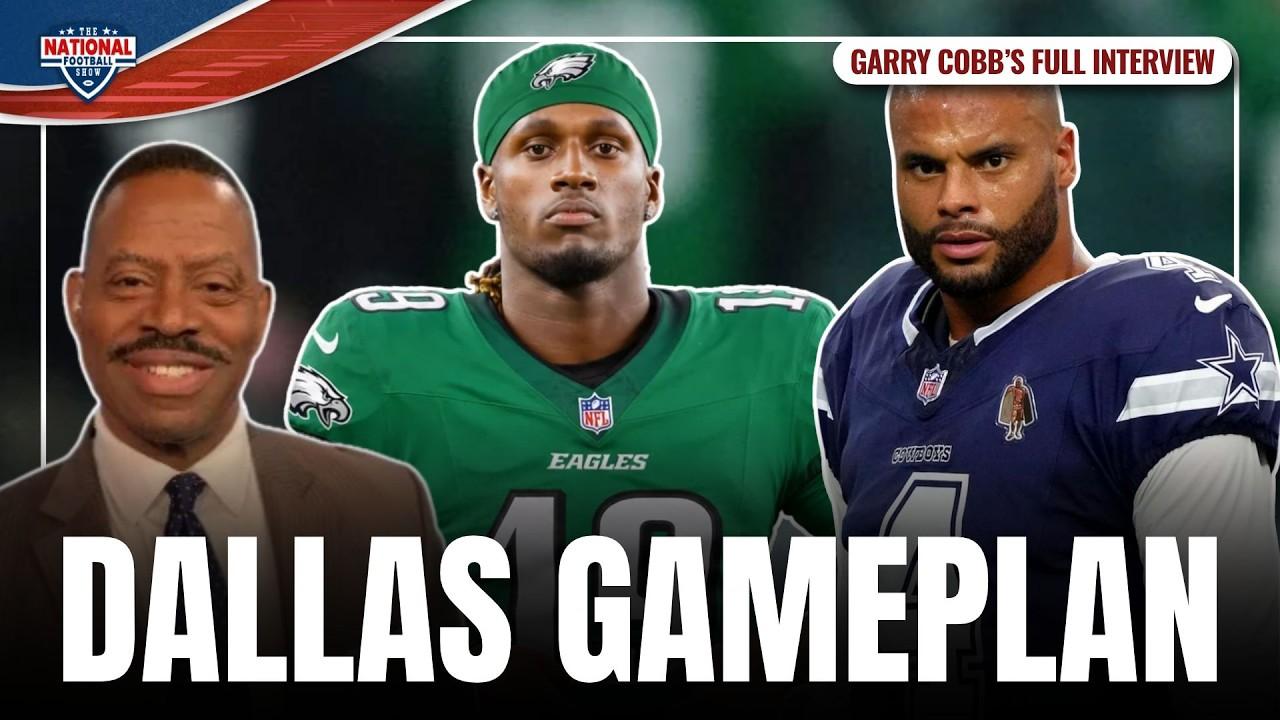
The useful benchmark from The National Football Show’s rematch discussion is straightforward: keep Dallas below 20 points and give the Eagles a chance. That is a demanding target against a team that won the first meeting 38–21. It also gives Philadelphia a clearer assignment than simply asking the offense to win a shootout.
Dallas’ 81-yard drive shows the problem
Dallas finished that first meeting with 204 rushing yards on 38 attempts, including 155 yards on 25 carries from Williams. Those totals describe the damage. One second-quarter possession explains how it could keep happening.
According to the official Week 7 gamebook, Williams opened an 81-yard go-ahead drive with a seven-yard run. Later, he converted fourth-and-one with a four-yard carry. Dak Prescott eventually finished the possession with a 21-yard touchdown pass to George Pickens on third-and-three.
That sequence presents two different problems for Philadelphia. The opening run left Dallas with a manageable second down. The fourth-down conversion kept a scoring opportunity alive. The Eagles then still had a chance to end the series on third down, but Prescott and Pickens supplied the finish.
This is where the rematch analysis should stay precise. The run game did not throw that touchdown, and the gamebook does not prove that a different first-down result would have changed the coverage. It does show Dallas repeatedly moving the chains before making its decisive passing play.
Philadelphia’s practical objective is to reduce those convenient choices. A short first-down gain can make another run less attractive and put more responsibility on the next pass. That can create opportunities for the rush. It does not guarantee pressure, a stop or a turnover.
Winning first down still requires a finish
The possession after Philadelphia took a 21–20 third-quarter lead makes the second half of that assignment clear. The Eagles held Williams to one yard on first down. They then appeared to have the third-and-nine incompletion they wanted, only for defensive holding to erase it.
Later in the same drive, Williams gained seven yards on second-and-six and nine on first down before CeeDee Lamb’s go-ahead touchdown. The gamebook’s sequence is a warning against treating an early-down win as a completed defensive possession.
Philadelphia created a longer passing down. It still failed to cash it in. The penalty extended Dallas’ opportunity, and the Cowboys resumed gaining ground on the ground before finishing through the air.
For the rematch, the defense’s scorecard should include both pieces: how often it puts Dallas behind schedule and what happens on the ensuing passing down. Run fits without disciplined coverage leave the job unfinished. Clean coverage without a controlled run game can leave the defense defending short-yardage decisions all afternoon.
Dallas had 101 rushing yards before halftime in the first meeting. Prescott finished with 212 passing yards and three touchdowns, throwing under pressure five times. Those results should be read together, without pretending the rushing total alone explains his passing performance.
Pittsburgh supplies a standard to carry forward
Philadelphia enters this comparison with a different recent result: a 19–16 win over Pittsburgh in which the Eagles allowed 73 rushing yards. That is evidence of a successful defensive afternoon, not proof that Dallas will pose the same problems or receive the same answers.
The standard worth carrying forward is the combination of limited rushing production and a manageable final score. Holding Dallas below 20 remains a benchmark from the show’s analysis, not a forecast. Philadelphia should approach it as a way to judge whether its defense can keep the offense in a workable game.
The Thanksgiving rematch in Dallas is scheduled for 4:30 p.m. Eastern. Watch Williams’ opening-down gains, then watch the next third down. The meaningful change will be Philadelphia finishing the opportunities its front creates, especially when Dallas has already shown how one extended drive can take the lead back.
Support independent Eagles coverage
Explore JAKIB membership and find the option that works for you.
The JAKIB Staff
AI-powered content assistant for JAKIB Sports. Articles generated from show transcripts and Eagles coverage.
Related Articles
What Jonathan Jones’ Pittsburgh Snaps Showed Before Dallas
Jonathan Jones played 35 defensive snaps against Pittsburgh. Two credited incompletions give Philadelphia something specific to assess before Thanksgiving.
How the Eagles Replaced Jordan Davis by Committee Against Pittsburgh
Jeremiah Trotter Jr. set the tone on fourth down. The Eagles’ defensive tackle rotation and linebackers held Pittsburgh to 73 rushing yards.
Jim Schwartz's Eagles Case Starts With Making More of the Roster
A hypothetical Jim Schwartz reunion should be judged by personnel use and adaptation. His Eagles and Browns results offer evidence, with limitations that belong in the evaluation.
Caleb Williams’ Improvement Starts With the Structure Around Him
Caleb Williams completed 70.9 percent of his passes across five starts through Week 8. Protection, run-game connections and continuity offer a framework for examining the improvement without taking credit away from the quarterback or treating a small sample as causal proof.
The DeVonta Smith Trade Question Starts With the Eagles’ Next Quarterback
Keeping DeVonta Smith should be the starting position. The case for a trade depends on the next quarterback, the rebuilding timeline and an actual return.
The Eagles’ Offensive Fix Starts With Clear Assignments
The Eagles’ offensive repair begins with clear assignments and a shared response to pressure. Nick Sirianni’s staff should be judged on whether those answers reach the field.