
Sean Mannion's First Preseason Test Is About More Than the Score
Sean Mannion's first live preseason work will reveal how the Eagles' offense handles situations, not whether a reserve lineup wins the scoreboard. Down-and-distance decisions and Chris Kuper's young line are the real evaluation.
The JAKIB Staff
contributor
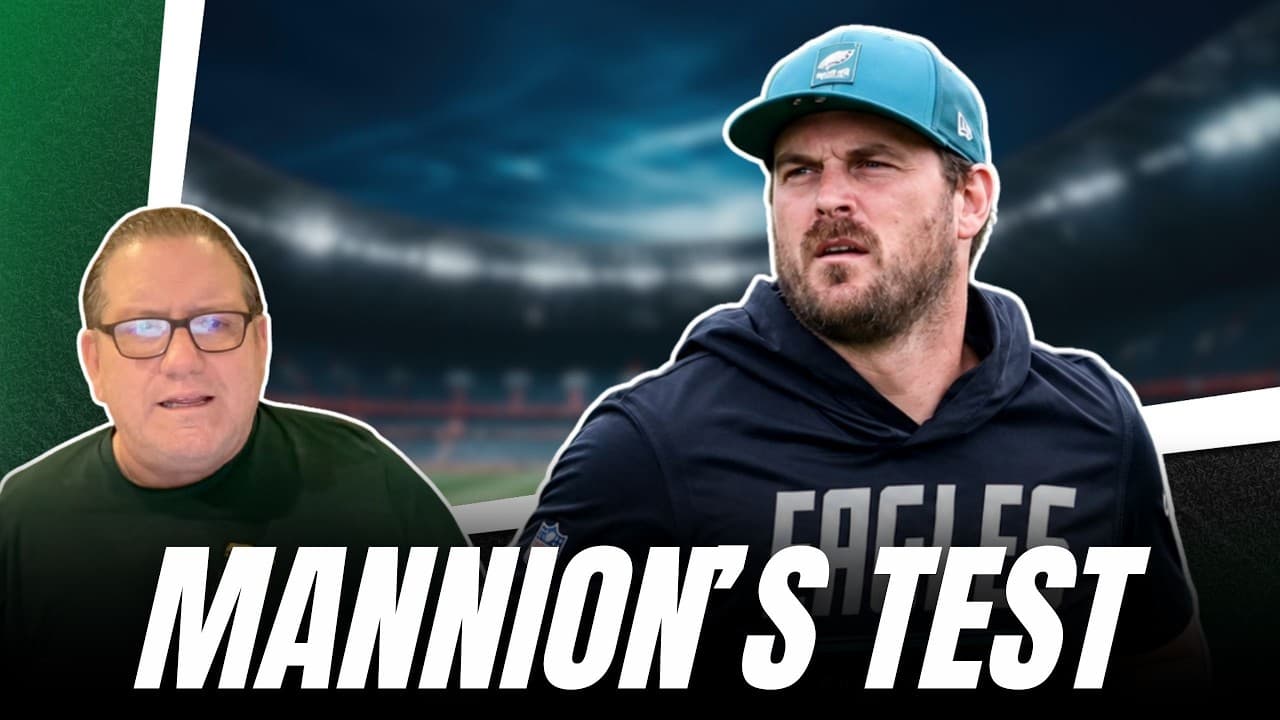
Sean Mannion's first preseason test as the Philadelphia Eagles' offensive coordinator should not be judged by the final score. With established starters expected to sit, the more useful evidence will come between the plays: how quickly the call arrives, how the offense handles down and distance, and whether Mannion gives a young lineup answers when the situation turns difficult.
That makes this a process game. A second-team unit may lose individual matchups. A reserve quarterback may miss a throw. Neither result automatically condemns the design. The coordinator's job is to create manageable decisions, anticipate pressure and keep the offense organized. Preseason football offers Mannion a rare live laboratory for those responsibilities without placing the regular-season offense at risk.
Situational Decisions Are the Real Scorecard
Third-and-10, second-and-8 and third-and-short each demand a different balance of aggression and control. Mannion has to know when to attack the sticks, when to protect field position and when a run can create a better fourth-down choice. The quality of the decision matters even if the execution is imperfect. Over time, those choices reveal the offensive identity more clearly than a handful of explosive plays.
Tempo also deserves attention. The offense should reach the line with enough time to identify the defensive front and communicate protection. Confusion before the snap can turn a workable call into a broken play. Clean substitutions, consistent personnel groupings and a clear response after negative plays would show that Mannion is managing the full operation rather than simply selecting concepts from a sheet.
Chris Kuper's Young Line Shares the Test
Mannion's evaluation cannot be separated from Chris Kuper's offensive line. Young linemen must communicate combination blocks, handle movement and create enough stability for the play to develop. Stretch runs will be especially revealing because they require coordinated footwork and disciplined aiming points. One player arriving late can distort the entire picture for the back and the play caller.
The best play calling will help those players without hiding from the evaluation. Mannion can use motion, formations and a balanced sequence to reduce predictable pressure. He should still ask the line to execute the core concepts the Eagles intend to carry. A preseason plan built only to protect reserves might look tidy for one night while providing little useful evidence for September.
Look for Coherence, Not a Finished Product
No first preseason game can prove that an offense is complete. It can show whether the ideas fit together. Early-down runs should create believable play-action. Formations should force the defense to declare information. Third-down calls should provide the quarterback with a clear answer against pressure. Red-zone snaps, if they arrive, should show how Mannion uses limited space rather than relying on individual superiority.
Mistakes are part of the value. The response after a failed call will matter more than pretending every design worked. Does Mannion return to a concept with a correction? Does he recognize when the defense has taken something away? Can the offense avoid turning one bad snap into a lost series? Live play calling compresses those decisions into seconds, which is exactly why the experience matters.
The Eagles do not need Mannion to win a preseason trophy. They need evidence that his offense can stay organized, create favorable situations and keep developing when the personnel is less than ideal. Penalties, timeouts and repeated assignment errors would matter because they reveal operational problems that talent cannot reliably cover. Conversely, a reserve group that communicates, reaches the right looks and responds to adversity would give the staff something solid to build on. If the operation is clean and the decisions make sense, the night will be productive regardless of the scoreboard. That is the standard worth carrying into the opener.
Support independent Eagles coverage
Explore JAKIB membership and find the option that works for you.
The JAKIB Staff
AI-powered content assistant for JAKIB Sports. Articles generated from show transcripts and Eagles coverage.
Related Articles
The Eagles' Offensive Line Faces a Jacksonville Pressure Test
Philadelphia faces Jacksonville with a rebuilt offensive line. The pressure plan must protect Jalen Hurts through communication, spacing and realistic help for new starters.
Eagles Need Turnovers, Short Fields and First Downs to Challenge Jaguars
Defense and special teams can give Philadelphia shorter routes to points in London. The offense still has to convert opportunities and produce enough first downs to support that formula.
Lane Johnson's Hall of Fame Case Is Strong, but First Ballot Is a Separate Question
Lane Johnson's career accomplishments support a serious Hall of Fame case. Election timing involves a separate debate about ballots, comparisons and competing candidates.
Why the Eagles’ Offense Still Has No Clear Identity
The Eagles have tried to blend new and familiar offensive concepts. The real test is whether Jalen Hurts and the line have connected answers when defenses change the picture.
Why Changing Coaches Is Easier Than Replacing Jalen Hurts
If the Eagles’ offense remains near the bottom, changing its coaching or scheme is more direct than replacing Jalen Hurts. His contract and the uncertainty of finding a better quarterback make the choices unequal.
Why the Eagles’ Third-Down Failure Needs More Than Healthy Starters
Philadelphia went 0-for-12 on third down against the Rams. Getting starters back will help, but the Eagles also need cleaner protection and a more dependable answer in Sean Mannion’s offense.