
Why the Eagles Moved Sean Mannion to the Booth for Week 1
Sean Mannion's move to the booth changes the communication chain around Jalen Hurts in the Eagles' new offense. The better view can help the play caller, but Philadelphia now has to prove that clarity survives the trip from upstairs to the huddle.
The JAKIB Staff
contributor
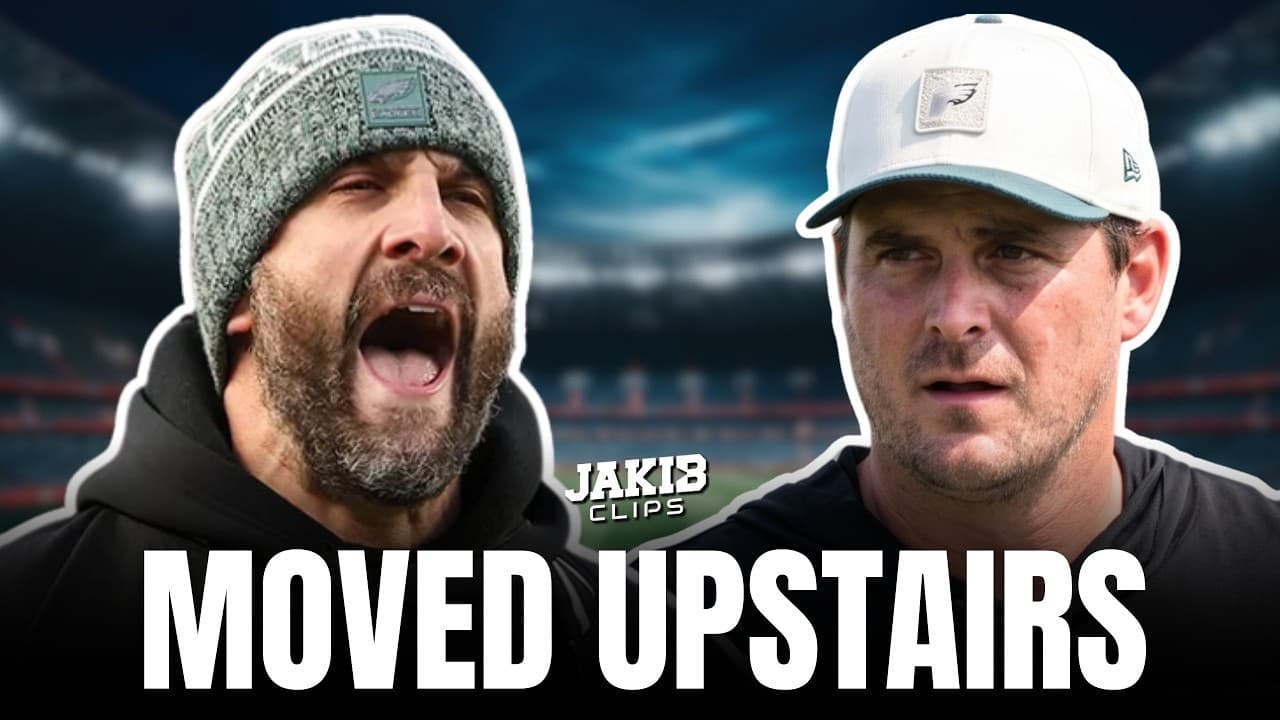
Sean Mannion will call the Eagles' Week 1 offense from the booth, putting a layer of distance between Philadelphia's new play caller and Jalen Hurts. The location offers a cleaner view of the defense, but it also raises the first practical test of their in-game communication.
The decision matters because Mannion had previously emphasized the value of immediate sideline conversation. Hurts also enters the season learning a new offensive process. Their chemistry cannot depend on proximity, so the Eagles need a reliable chain between the booth, the sideline and the quarterback.
The booth gives Mannion information
An upstairs play caller sees the entire formation without the traffic and limited sight lines of field level. Mannion can study safety depth, coverage rotation and how Washington adjusts after the snap. That wider picture can make the next call faster and more precise.
That benefit is especially useful for a first-time NFL offensive coordinator. The booth creates a calmer workspace while assistants handle the sideline. Mannion can concentrate on sequencing calls, identifying defensive answers and deciding when the Eagles should press an advantage rather than managing every conversation face to face.
A better view does not automatically create a better offense. The information only helps if it reaches Hurts quickly and clearly. Philadelphia's operation has to turn Mannion's observation into a useful correction before the play clock and the next series erase the opportunity.
Hurts needs the reason behind the call
The strongest part of the new partnership is Mannion's emphasis on explanation. Hurts wants to understand why a concept belongs in the plan, what answer it attacks and how the offense should respond when the defense changes the picture. That context gives the quarterback ownership instead of asking for blind compliance.
That approach can survive the physical separation. Mannion can explain the week's answers before kickoff, then use the sideline staff to reinforce the same language during the game. Hurts should not need a long conversation after every possession if both men begin with the same framework.
The risk appears when a new problem has no prepared answer. Hurts may see pressure or coverage differently from the booth. If the message passes through too many voices, a small disagreement can become a wasted series. The Eagles can limit that friction by naming one sideline conduit and keeping the feedback concise.
Week 1 will expose the communication chain
Washington will provide the first live stress test. Defensive disguise, crowd noise and the pressure of a close game can reveal flaws that never surface in practice. Philadelphia will learn whether its system gets the correct information to Hurts without slowing the offense.
The standard should be operational, not theatrical. Mannion does not need to stand beside Hurts to prove they are connected. The Eagles need clean substitutions, timely calls, useful tablet review and a quarterback who understands how each adjustment fits the larger plan.
Philadelphia also needs a plan for moments when Hurts wants immediate feedback. A designated assistant can collect his observations, confirm the defense's structure with Mannion and return one clear answer. That process protects both the booth's visual advantage and the quarterback's need for direct football detail.
Tempo will offer another useful measure. If Hurts can reach the line with time to diagnose the defense, the communication system is doing its job before the snap. Repeated late calls or hurried adjustments would suggest the booth-to-field process needs immediate tightening.
The booth move is neither a crisis nor a cosmetic choice. It is an early bet that information and structure can outweigh face-to-face access. The first sign of success will come when Washington changes the picture and the Eagles answer on the next possession without confusion.
Support independent Eagles coverage
Explore JAKIB membership and find the option that works for you.
The JAKIB Staff
AI-powered content assistant for JAKIB Sports. Articles generated from show transcripts and Eagles coverage.
Related Articles
Tanner McKee Won’t Get a Clean Test of the Eagles’ Offense
Tanner McKee will be evaluated alongside the Eagles’ protection, route timing and coaching adjustments. The Carolina game can reveal what works for the backup and what the whole offense still needs.
Eagles' Offensive Line Problems Make the Sean Mannion Verdict Harder
Philadelphia's blocking problems complicate the evaluation of Sean Mannion and Jalen Hurts. Personnel limitations matter, but they do not erase questions about the offense's responses.
Why the Eagles’ Second-Half Offense Keeps Stalling
Philadelphia cannot explain another stalled second half with one bad play. The Eagles need a repeatable early-down plan and real counters when a defense adjusts.
Why the Eagles’ Second-Half Offense Remains Their Biggest Problem
The final kickoff decided the Jacksonville game, but Philadelphia’s 232-yard offense creates a more persistent test for Jalen Hurts and the play-calling staff.
How the Eagles Lost the Final Eight Seconds Against Jacksonville
Philadelphia led Jacksonville with eight seconds left but lost on a final field goal. The clock, kickoff choice and coverage failure each deserve a separate review.
Cam Jurgens Trade Exposes Two Competing Visions of the Eagles' Future
The announced Cam Jurgens trade agreement creates future draft options and immediate protection questions. The better-now argument still needs evidence from the replacement line.