
Why the Eagles’ Screen Game Must Match Its Blocking Personnel
The Eagles' screen game must match its blocking personnel because the throw does not create an advantage by itself. A receiver catching the ball behind the line still needs space, timing and teammates capable of controlling the defenders between him and the first down.
The JAKIB Staff
contributor
The Eagles' screen game must match its blocking personnel because the throw does not create an advantage by itself. A receiver catching the ball behind the line still needs space, timing and teammates capable of controlling the defenders between him and the first down.
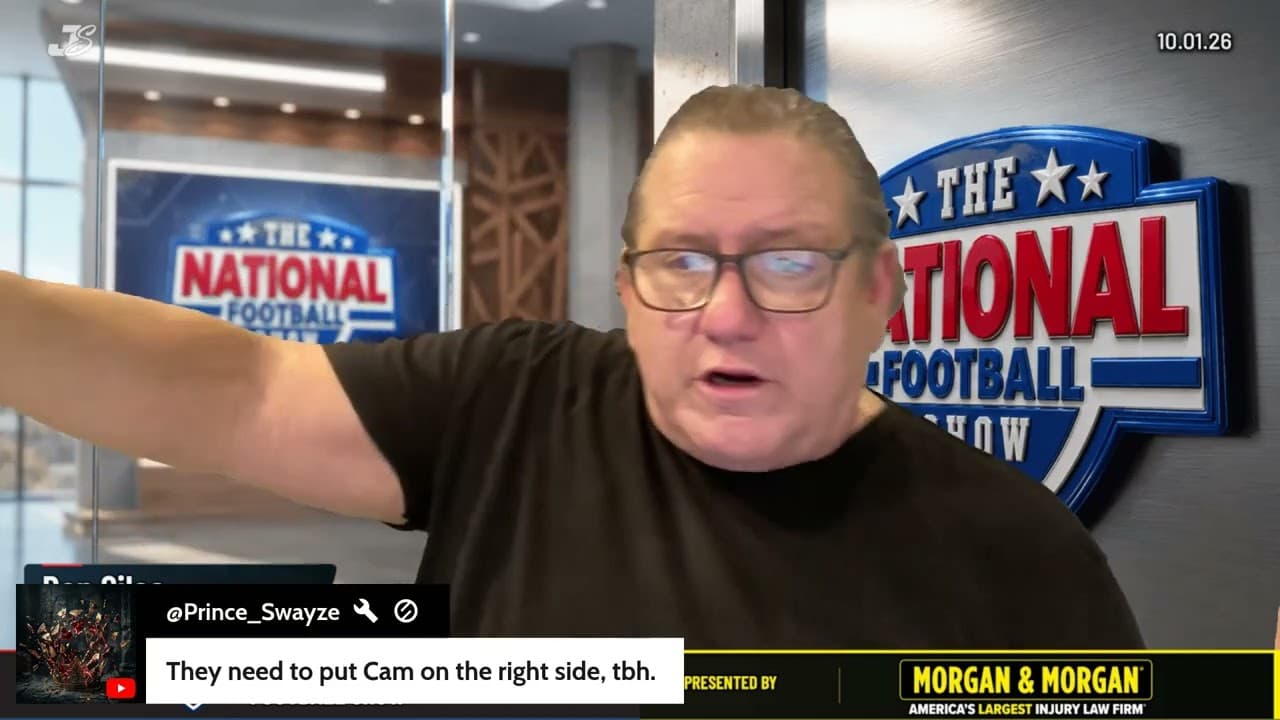
The National Football Show's discussion of Zach Ertz and a bubble-screen assignment identifies a specific coaching question. Is Philadelphia asking the available players to perform jobs that suit them, or treating the call as a solution regardless of who is on the field?
That question is more useful than dismissing every screen. A well-designed quick throw can punish pressure and create an efficient gain. The problem arrives when the offense assumes the design will overcome an unfavorable block.
The blocker is part of the play's promise
A bubble screen often asks the outside blockers to establish leverage quickly. The ball arrives before the receiver has much time to assess traffic, so the initial block shapes his first decision.
If that block forces a defender outward, the receiver may have an inside lane. If it seals the inside, the sideline can become the escape route. If it misses altogether, the receiver catches the ball with a defender already closing.
The staff should choose those assignments with the same care it gives the target. A player's receiving résumé does not establish his effectiveness in every perimeter blocking matchup. Nor does one failed rep prove that he cannot contribute anywhere else.
For Ertz, the relevant evaluation is the specific task: alignment, distance to the defender, required movement and the leverage the call needs. Philadelphia can criticize an assignment without pretending a veteran's entire career reduces to that block.
This is also why repeating a screen demands a reason. If the defense beat the first call because of an isolated execution error, another attempt may be justified. If the matchup itself was wrong, repetition gives the opponent another chance to exploit the same weakness.
Select the runner and the escort together
The discussion also raises Darius Cooper and Saquon Barkley as possible ways to rethink a space play. Their mention is a tactical suggestion, not a reported change to Philadelphia's game plan.
Barkley's ability to operate with the ball makes him an obvious player to consider when designing touches in space. But changing the recipient does not automatically fix the play. The blockers, formation and defensive numbers still determine whether he receives a useful opportunity.
A receiver screen should therefore be designed backward from the matchup. Identify the defender the offense wants to stress. Determine who can reach and control the support player. Then decide which ball carrier is best suited to the available lane.
That process may favor a running back, a receiver or no screen at all. The correct answer is the one supported by the personnel and defensive picture, not the one that protects a favorite call.
Motion can help reveal the coverage and change a blocking angle. A tighter alignment can reduce the distance a blocker must travel. Those adjustments are useful only if they preserve legal positioning and give the receiver a clear route through the traffic.
Quick throws still demand quarterback clarity
Jalen Hurts needs to know whether the screen is called outright or attached to another option. The decision should match the box count, coverage leverage and protection rules presented to him.
When those rules are unclear, a supposedly simple play can become hesitation followed by contact. A late throw allows a defender to defeat the block before the receiver can use it. An immediate throw into the wrong numbers creates a different version of the same problem.
The offense should also understand the cost of using Hurts in an exposed supporting role. A play that gains little while creating unnecessary quarterback contact is a poor bargain, even if it appears clever on a diagram.
Screens belong inside an integrated plan. If a defense widens aggressively to stop them, Philadelphia should have an answer elsewhere. If it refuses to widen, the quick throw may become worthwhile again.
The next meaningful improvement is not a promise to call fewer screens. It is a better match between the call and the people responsible for making it work. Watch the blocker before watching the runner: his first step and leverage will often explain whether the Eagles created an advantage or merely moved the ball sideways.
Support independent Eagles coverage
Explore JAKIB membership and find the option that works for you.
The JAKIB Staff
AI-powered content assistant for JAKIB Sports. Articles generated from show transcripts and Eagles coverage.
Related Articles
The NFLPA Review Must Clear Up the Questions Around Jalen Hurts’ Care
A defined review of Jalen Hurts’ care should establish who made key decisions and how follow-up was arranged. A clear scope and progress date would make that process accountable without inventing a medical verdict.
Makai Lemon’s Next Opportunity Is About Where the Eagles Target Him
Makai Lemon’s next opportunity should depend on where the Eagles target him, not simply how often. Catches beyond the line can give Philadelphia a clearer way to build and evaluate his role.
The Late-Game Decisions Driving the Eagles-Cowboys Blame Game
The Eagles and Cowboys reached painful last-second losses through different breakdowns. Reviewing offensive timing, kickoffs and defensive instructions together offers a clearer answer than choosing a single scapegoat.
Four Games Could Decide Howie Roseman's Trade-Deadline Approach
Four games could decide how Howie Roseman approaches the trade deadline. The Eagles' next stretch should clarify whether a valuable offer serves a realistic playoff push or a roster that needs a faster reset.
The Eagles' Second-Half Collapse Is More Than an Injury Problem
The Eagles' second-half collapse is more than an injury problem. Philadelphia's offense has to produce answers after its opening success, not just explain why the available personnel changed.
How the Eagles’ Run-Game Collapse Exposes Their Offensive Line
Philadelphia’s rushing collapse exposed more than a missing run call. The Panthers game will show whether its line can restore manageable downs and a credible run threat.
Latest from JAKIB Sports
View all articles →Johnny Mundt’s Blocking Role Is Smaller Than the Eagles’ Offensive Demand
October 22, 2026
Tanner McKee’s Split Summer Leaves an Unfinished Development Question
October 22, 2026
The Eagles’ Scripted First Play Raised a Communication Problem
October 22, 2026
The Eagles’ Next Offensive Plan Needs a Builder, Not a Copy
October 22, 2026