
A First-Round Quarterback Wouldn’t Fill the Eagles’ Other Roster Holes
A first-round quarterback would leave Philadelphia with important work at other positions. Separating starting upgrades from competition and depth gives the Eagles a more useful plan than treating one selection as a complete reset.
The JAKIB Staff
contributor
A first-round quarterback would give the Eagles a player to develop, but he would still need protection, receiving answers and a defense capable of supporting him. Philadelphia’s next quarterback decision belongs inside a roster plan that can deliver those things, because changing the passer would leave the other assignments untouched.
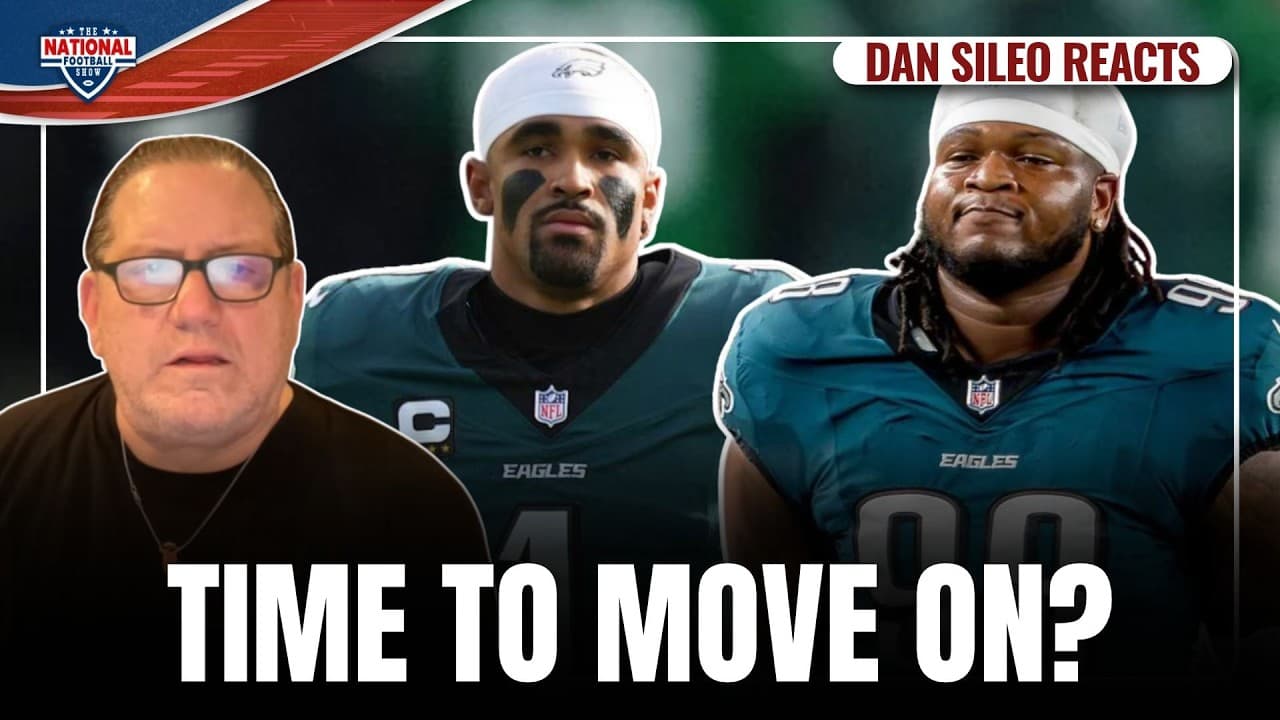
That is the useful challenge in The National Football Show’s roster discussion: work through the positions before treating one draft selection as a reset for the entire team. The discussion produces a nine-position checklist. That number is an evaluation of potential needs, including competition and upgrades, rather than an official count of vacant starting jobs.
A roster spot and a roster answer are different
The Eagles’ current roster lists Jordan Mailata and Markel Bell at tackle, Landon Dickerson and Tyler Steen at guard, and Drew Kendall at center/guard. Those players give Philadelphia actual options to evaluate. Writing off the whole line would be as careless as assuming every position is settled because a name appears on the roster.
The more useful distinction is what each position requires next. One might need a new starter. Another could benefit from credible competition, better depth or continued development. Those choices carry different costs and different expectations for when an addition should contribute.
The same standard applies beyond the line. The source’s checklist reaches running back, tight end and several defensive roles. It raises legitimate planning questions without establishing that every current player will leave or that every proposed replacement is necessary.
A front office cannot solve all those questions by drafting according to a count. It can rank the work by the consequences of getting it wrong. An unreliable protection assignment affects the quarterback. A defense that cannot finish possessions increases the scoring burden. A weak receiving option can leave a good passing concept without a dependable finish.
Those problems interact, which makes the surrounding roster part of the quarterback evaluation from the beginning.
The first pick also spends an opportunity
A first-round quarterback can be the right choice even for a team with several needs. The argument against treating him as a complete solution is stronger than a blanket rule against taking him.
Philadelphia would be spending an opportunity to select someone else with that pick. If moving up became necessary, additional resources could enter the calculation. Neither scenario establishes where the Eagles will select or what any specific prospect would cost; those remain open questions.
The decision should turn on the quarterback’s evaluation and the plan around him. Can the offense protect the concepts it intends to teach? Are there receiving options that make the reads useful? Is there a workable path for the player to develop without asking him to manufacture every productive snap?
Those are football requirements, not reasons to demand a perfect roster before adding a quarterback. No team gets to finish every other position first. The task is to identify the essential support and reserve enough resources to provide it.
There is a cost to postponement, too. Passing on a quarterback the team genuinely believes can lead its offense may leave the largest question unanswered. That possibility belongs beside the cost of neglecting protection or defense. A responsible plan compares both risks instead of letting the excitement of a new passer end the discussion.
Build a plan that survives more than one answer
Jalen Hurts’ future football role remains a condition in this debate. A roster strategy should leave room for the possibility that he remains part of the answer without presuming a medical timetable or announcing an organizational decision that has not been established.
Tanner McKee’s ongoing work adds another evaluation. Whatever conclusion Philadelphia eventually reaches at quarterback, better blocking, dependable receiving assignments and stronger defensive execution would retain their value.
That makes the remaining games useful for narrowing the shopping list. A player who earns confidence can reduce the urgency of a major addition. A position that repeatedly requires help may demand more resources. Competition can address some questions; an immediate starting upgrade may be required for others.
The next draft argument should therefore include more than the name of a quarterback. It should identify which other problems remain, which current players can reasonably handle them and how Philadelphia would pay for the additions. Before the Eagles spend their first pick, the rest of that plan should be visible.
Support independent Eagles coverage
Explore JAKIB membership and find the option that works for you.
The JAKIB Staff
AI-powered content assistant for JAKIB Sports. Articles generated from show transcripts and Eagles coverage.
Related Articles
The Eagles' Quarterback Decision Runs on Two Different Calendars
The Eagles' April quarterback choice could precede a preferred June trade date. The football plan has to account for both, including the option of keeping Jalen Hurts while a rookie develops.
Three Tackle Options Give the Eagles Different Questions After Fred Johnson's Exit
John Ojukwu, Kiran Amegadjie and Evan Neal present different readiness, development and position questions. Neal's current guard listing is central to the comparison.
The Eagles' Offensive-Line Need Shouldn't Decide Their Draft Slot
Philadelphia can prioritize its offensive line without forcing a lineman at its earliest pick. The better decision matches the player grade, the selection price and the alternatives.
The Eagles' Quarterback Search Still Depends on Who Enters the Draft
Philadelphia can evaluate college quarterbacks now. A credible replacement plan still depends on which prospects enter the draft and how they weigh another college season against an NFL start.
Jalen Carter’s Next Test Is the Work Jordan Davis Leaves Behind
The Jordan Davis trade leaves the Eagles with an interior assignment to replace. How they divide that work could shape Jalen Carter’s chances to disrupt games.
The Eagles’ Extra Draft Picks Create a Quarterback Trade-Up Decision
Philadelphia has more flexibility to pursue a quarterback, but spending that flexibility carries a roster cost. The Eagles should settle the football and coaching requirements before choosing between a trade-up, their existing draft position, a veteran or more help around the position.