
Why the Eagles' New Offense Cannot Abandon Its Physical Identity
Sean Mannion can modernize the Eagles' passing game without discarding the power structure that maximizes Jalen Hurts and Saquon Barkley. Philadelphia's best offense should add answers while keeping its physical advantage.
The JAKIB Staff
contributor
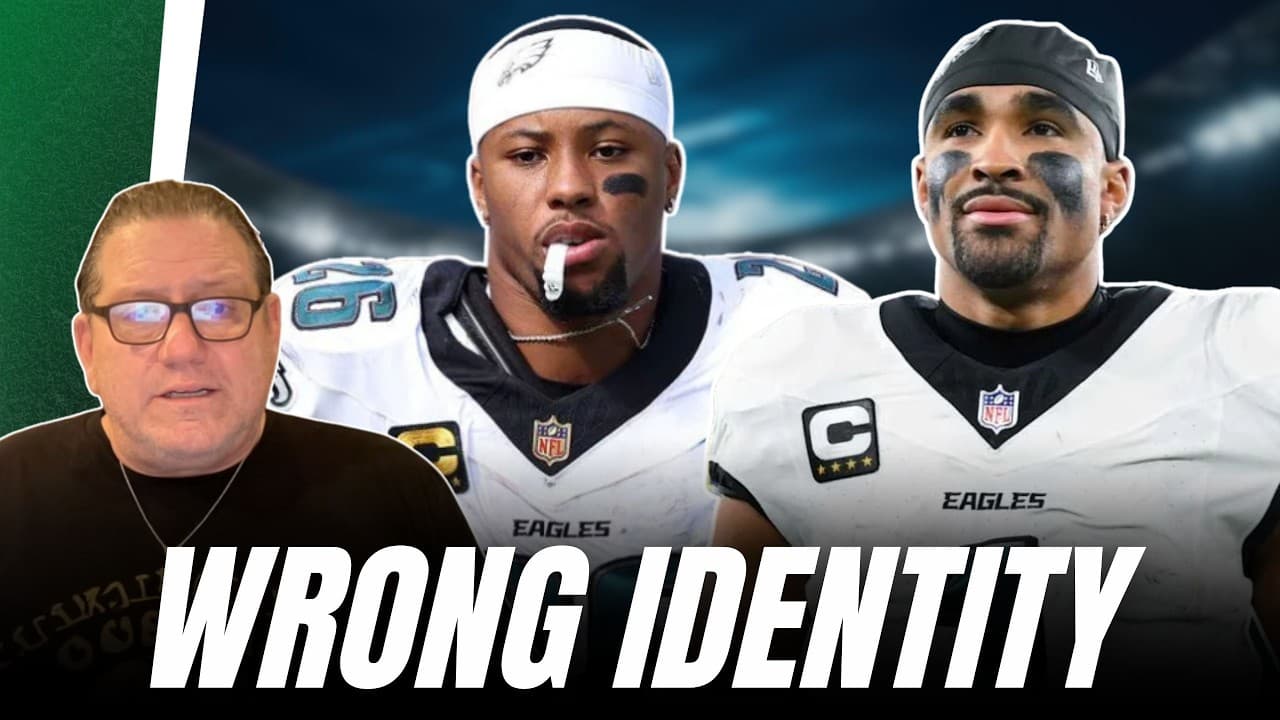
The Philadelphia Eagles can improve their passing game without surrendering the physical identity that makes the roster difficult to defend. Sean Mannion's new offense should create better answers around Jalen Hurts and Saquon Barkley, not replace the power formula that gives both players leverage.
Change is justified after an uneven offensive season. A new vision becomes a problem only when the adjustment pulls the Eagles away from their strongest personnel. Philadelphia should expand the menu while keeping the line, quarterback and running back at the center of it.
Power creates the favorable picture
The Eagles are built to force a defense into uncomfortable choices. A credible downhill run game brings safeties closer to the box. Hurts' legs change the numbers. Barkley's acceleration punishes a front that loses one gap.
Those threats also help the passing game. Condensed formations, play action and run-pass options can create defined reads without asking Hurts to win every snap through pure dropback volume. Physical football and efficient passing support each other when the sequencing is right.
Philadelphia lost that balance too often last season. Drives stalled before the offense could establish rhythm, and difficult third downs made the passing game predictable. The correction should begin on first and second down, where successful runs and quick completions can keep the full call sheet available.
Mannion does not need to prove his creativity by hiding the roster's best trait. If the Eagles can move a defense off the ball, they should keep doing it until the opponent commits enough resources to expose something else.
Balance cannot become finesse
Balance is useful when it describes an offense with multiple dependable answers. It is dangerous when it becomes a quota that forces passes into bad situations or removes Barkley from a game the line is controlling.
The goal is not an equal number of runs and throws. The goal is to make every defensive response wrong. A loaded box should invite a favorable pass. A lighter front should create room for Barkley and Hurts to attack on the ground.
That approach also protects a first-year play caller. Mannion will face the weekly chess match of sequencing plays, anticipating adjustments and finding answers after an opponent removes the opening plan. A reliable physical foundation gives him somewhere to return when a drive loses shape.
Hurts benefits from the same clarity. He can play aggressively without carrying the burden of manufacturing offense from empty formations and long-yardage downs. The quarterback becomes more dangerous when the defense respects the possibility of a run on every relevant snap.
The new layer should solve third down
Philadelphia's most important improvement will show up before the highlight plays. Better first-down efficiency can reduce third-and-long situations. Cleaner protection and route spacing can give Hurts immediate answers when the defense brings pressure.
Mannion's background with Green Bay offers a useful direction. The Eagles hired a coach familiar with an offense that stressed width, timing and the relationship between the run and pass games. Those ideas can freshen Philadelphia's structure without erasing what already works.
The line remains powerful, Barkley remains a matchup problem and Hurts remains one of the league's most unique short-yardage weapons. An offense that treats those advantages as old-fashioned would be solving the wrong problem.
The opener against Washington should reveal the hierarchy. Watch the first-down calls, the formations around Barkley and the way Mannion answers a crowded box. If Philadelphia stays physical while creating cleaner passing opportunities, the new offense will look like an evolution. If it chases finesse for its own sake, the Eagles will have traded a proven edge for an identity they have not earned.
Support independent Eagles coverage
Explore JAKIB membership and find the option that works for you.
The JAKIB Staff
AI-powered content assistant for JAKIB Sports. Articles generated from show transcripts and Eagles coverage.
Related Articles
Why the Eagles’ Second-Half Offense Keeps Stalling
Philadelphia cannot explain another stalled second half with one bad play. The Eagles need a repeatable early-down plan and real counters when a defense adjusts.
Why the Eagles’ Second-Half Offense Remains Their Biggest Problem
The final kickoff decided the Jacksonville game, but Philadelphia’s 232-yard offense creates a more persistent test for Jalen Hurts and the play-calling staff.
What Lane Johnson’s Retirement Changes for the Eagles’ Offense
Lane Johnson’s retirement changes more than the name at right tackle. Philadelphia now has to redistribute protection responsibility without shrinking the entire passing game.
Why the Eagles’ Offense Still Has No Clear Identity
The Eagles have tried to blend new and familiar offensive concepts. The real test is whether Jalen Hurts and the line have connected answers when defenses change the picture.
The Eagles’ Second-Half Offense Needs More Than a Fast Start
The Eagles' second-half offense needs more than a fast start because an opening plan cannot carry an entire game. Philadelphia's next offensive improvement should be measured by what happens after the defense has seen its preferred calls and adjusted.
The Eagles’ Blocking Personnel Are Limiting Sean Mannion’s Offense
The Eagles’ blocking personnel are limiting the concepts Sean Mannion can make reliable. Better calls matter, but screens and play-action need assignments that survive contact before Jalen Hurts can provide the payoff.
Latest from JAKIB Sports
View all articles →The Eagles' Offensive-Line Succession Problem Has Reached Jalen Hurts
October 13, 2026
Four Games Could Decide Howie Roseman's Trade-Deadline Approach
October 13, 2026
The Eagles' Second-Half Collapse Is More Than an Injury Problem
October 13, 2026
The Eagles’ Bigger Problem Beyond the Final Kickoff
October 13, 2026