
Why Dallas Is the Eagles' Biggest Threat in the NFC East
Dallas presents the clearest NFC East threat because its best route to beating Philadelphia runs through the trenches. The Cowboys can make the race real if they finish drives, control possession and force the Eagles to prove their run defense has changed.
The JAKIB Staff
contributor
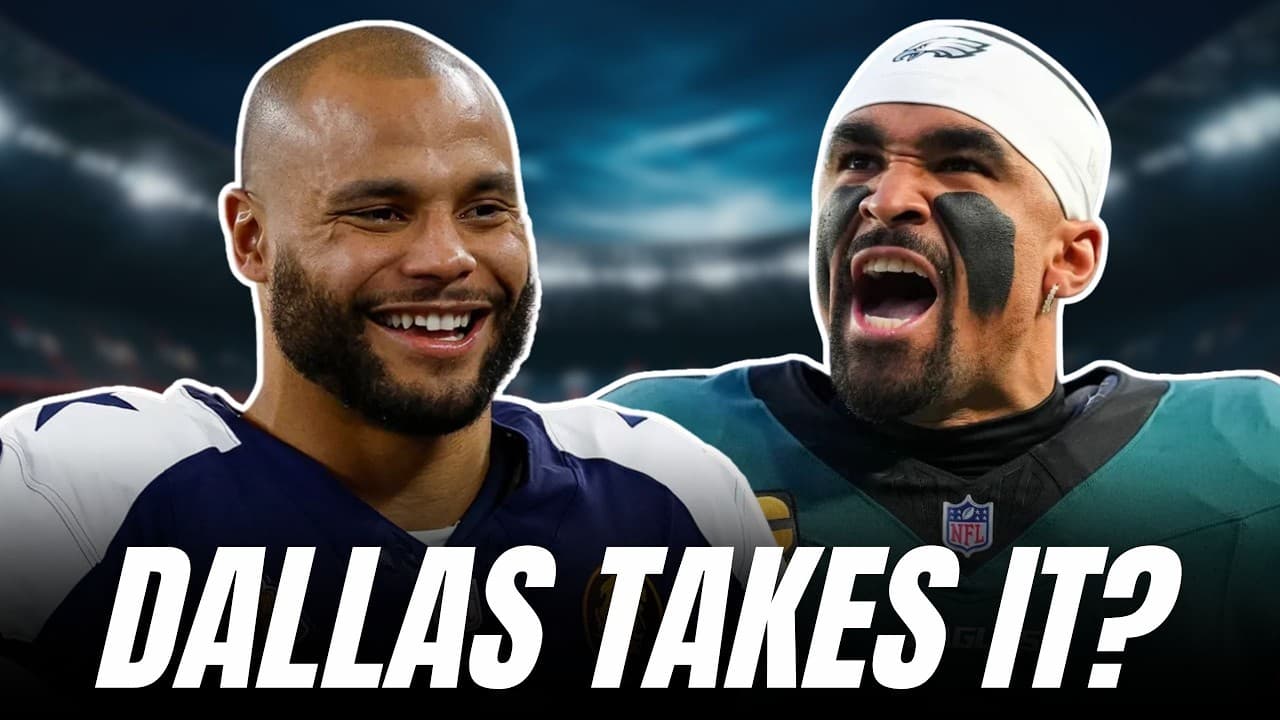
The Dallas Cowboys are the Philadelphia Eagles' biggest threat in the NFC East because their path to winning the matchup is already visible. Dallas does not need to out-glamor Philadelphia. It needs to control the line of scrimmage, finish red-zone drives and force the Eagles to prove their run defense can survive four quarters.
That formula showed up in the teams' November 23, 2025 meeting. The official NFL gamebook credited Dallas with 125 rushing yards on 31 attempts, while Philadelphia finished with 63 on 18. One game does not decide a new division race, but the contrast explains why Dallas can make the Eagles uncomfortable.
Dallas can turn the rivalry into a possession game
Philadelphia is most dangerous when its defensive front creates long-yardage situations and its offense receives extra opportunities. Dallas can blunt both advantages by running efficiently on early downs. Four-yard gains are not highlights, but they keep the full playbook available and prevent the Eagles' pass rush from attacking obvious throws.
That approach also shortens the game. Dak Prescott does not need to chase an explosive play on every series if the Cowboys can stay ahead of the chains. Long possessions keep Philadelphia's offense on the sideline and make each Eagles mistake more expensive.
The burden belongs to Dallas' line and backs. They have to create consistent movement without relying on Prescott to escape pressure or rescue third-and-long. If the Cowboys cannot run, the matchup tilts back toward Philadelphia's defensive speed.
The Eagles' run defense is the pressure point
Philadelphia has enough talent up front to dominate stretches, led by Jalen Carter and a deep group of disruptive defenders. The question is whether the unit can play disciplined run defense every week. Penetration helps only when the remaining gaps stay sound. One defender winning quickly does not matter if the runner finds an open crease behind him.
Dallas will test patience with repeated runs, play-action and concepts designed to make linebackers hesitate. The Eagles have to tackle cleanly and avoid turning manageable gains into drive-changing plays. That requires collective execution rather than waiting for Carter to wreck every snap.
The November rushing split gives Philadelphia a concrete problem to correct. The Eagles cannot assume a healthier or more talented front automatically changes the result. They have to win first down and make Prescott operate in the situations where the pass rush can dictate terms.
Red-zone execution separates a threat from a contender
Moving the ball between the 20s will not be enough for Dallas. The field shrinks in the red zone, throwing windows tighten and the defense can play with less fear of a deep completion. The Cowboys need a run game that remains credible near the goal line and pass designs that create quick, defined reads for Prescott.
Field goals allow Philadelphia to survive bad stretches. Touchdowns force the Eagles' offense to answer and can move the game away from its preferred rhythm. Dallas' entire division case becomes more convincing if promising drives regularly produce seven points.
Philadelphia's defense understands that pressure. Its speed and tackling can erase space near the goal line. The Cowboys need answers that hold up after the Eagles identify the first tendency. That means formation variety, dependable protection and skill players who finish contested opportunities.
The threat is real, but Dallas still has to prove it
The Cowboys have a credible matchup plan and a quarterback capable of executing it. They also carry the larger burden of turning regular-season promise into postseason consequence. Winning a rivalry game or splitting the series is not the same as taking control of the division.
Philadelphia remains the standard because its roster construction and line play create more ways to win. Dallas becomes the biggest threat when it narrows those options: run the ball, own possession, finish drives and make the Eagles solve the game without a comfortable script.
That is why this matchup matters beyond the emotion of Eagles-Cowboys. It is a direct test of Philadelphia's most important defensive question and Dallas' ability to become a complete team. If the Cowboys win in the trenches again and improve in the red zone, the NFC East race gets tight. If the Eagles control those two areas, Dallas' best argument disappears.
Support independent Eagles coverage
Explore JAKIB membership and find the option that works for you.
The JAKIB Staff
AI-powered content assistant for JAKIB Sports. Articles generated from show transcripts and Eagles coverage.
Related Articles
Jeffrey Lurie’s Honor Arrives Amid an Eagles Trust Problem
Jeffrey Lurie’s Eagles Hall of Fame induction recognizes a championship legacy. Fans can appreciate that history while expecting clearer public communication from the organization’s leadership.
The Eagles’ Film Meeting Changes the Room, Not the Personnel
Sean Mannion’s whole-offense film review could improve shared assignments and accountability. The Eagles still need a game plan that fits the players available, because a meeting cannot replace missing talent or repair every design problem.
DeVonta Smith’s Rest Question Is About Weeks, Not the Season
The Eagles have announced no shutdown or return timetable for DeVonta Smith. A Birds 365 discussion about possible short-term rest raises a separate challenge: building a workable passing plan with the receivers available.
The Eagles’ Defensive Depth Bill Is Coming Due
Philadelphia’s defensive investments still require reliable players around them. The current injury report puts the value of specific replacement roles back in focus.
Saquon Barkley Can Raise the Eagles’ Floor Without Repairing the Whole Offense
Saquon Barkley could make the Eagles more dependable against Dallas if he returns. His availability, the supporting cast and the offensive plan will determine how much changes.
The Cowboys’ Star Receivers Are Not Fixing Their Offensive Balance
Dallas’ star receivers cannot supply balance by themselves. Early run abandonment can leave the protection exposed and give Philadelphia a clearer choice about how to attack.