
The Eagles’ Bigger Problem Beyond the Final Kickoff
The kickoff decision deserves scrutiny, but Philadelphia’s recurring offensive breakdown matters more. Hurts, the staff and the line all face a more durable test.
The JAKIB Staff
contributor
The Philadelphia Eagles' late kickoff decision deserves review, but it is not the only reason their loss to Jacksonville matters. The more durable concern is an offense that cannot reliably protect, run and adjust when a game becomes difficult.
A kickoff is a visible choice with an immediate outcome. That makes it easy to debate. The offense's failures are spread over many snaps and several games, which makes them easier to obscure. Philadelphia cannot treat a disputed special-teams moment as a substitute for diagnosing the possessions that left the game vulnerable in the first place.
One decision versus a recurring weakness
Coaches have to own situational decisions. The kickoff choice involved field position, return risk and the opponent's remaining time. Reasonable football arguments can exist on both sides without excusing a poor result or declaring that every alternative was risk-free.
The offense presents a different problem. Short drives and an unreliable ground game reduce the margin for error in every late-game situation. A team that can sustain a second-half possession has more control over the clock and field position. A team that cannot do so eventually puts another unit in a high-leverage spot.
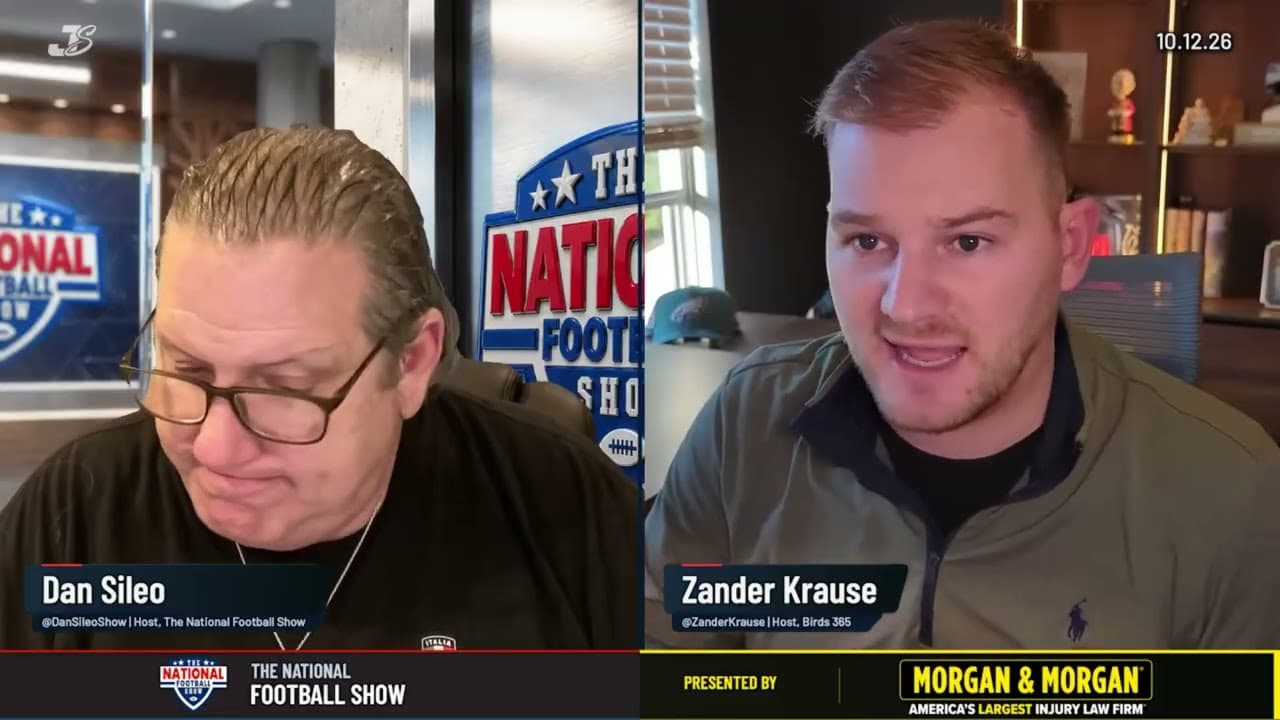
That distinction matters because a coaching staff can change one kickoff instruction quickly. Rebuilding an offense requires different work: better blocking, clearer route answers, more useful early-down calls and honest evaluation of the quarterback's role. Those changes cannot be reduced to a single press-conference explanation.
Hurts is part of the evaluation, not the entire answer
Jalen Hurts should be judged on his reads, timing and decisions. He also needs an environment that gives him manageable downs and viable protections. Assigning every stalled drive to one person ignores the play design and the line. Removing him from the discussion ignores the position's influence over every possession.
The same balance applies to the staff. Sean Mannion can change sequencing and build counters to defensive adjustments. Nick Sirianni can demand a clearer offensive plan. Neither can execute a block or throw for the players. Accountability is useful only when it leads to a specific improvement that can be tested the next week.
The defense has covered for some offensive mistakes, but that is not a sustainable team design. If the Eagles need stops, turnovers or late heroics every time their offense goes quiet, their margin for error will remain thin against any opponent able to control the ball.
Contract realities complicate easy fixes
Debate over Hurts often jumps straight from poor play to a trade. That skips the financial question. A contract can create substantial dead-cap consequences when a team moves a quarterback, and the timing of a transaction changes how the cost is distributed. Precise figures require a current contract and cap verification, not an assumption drawn from a television graphic.
That does not make Hurts immune from evaluation. It means any proposed replacement plan must include both the cost of leaving the current deal and the cost of finding another starter. A low-cost rookie may create room elsewhere, but drafting and developing that player introduces football risk. A veteran alternative carries a different price.
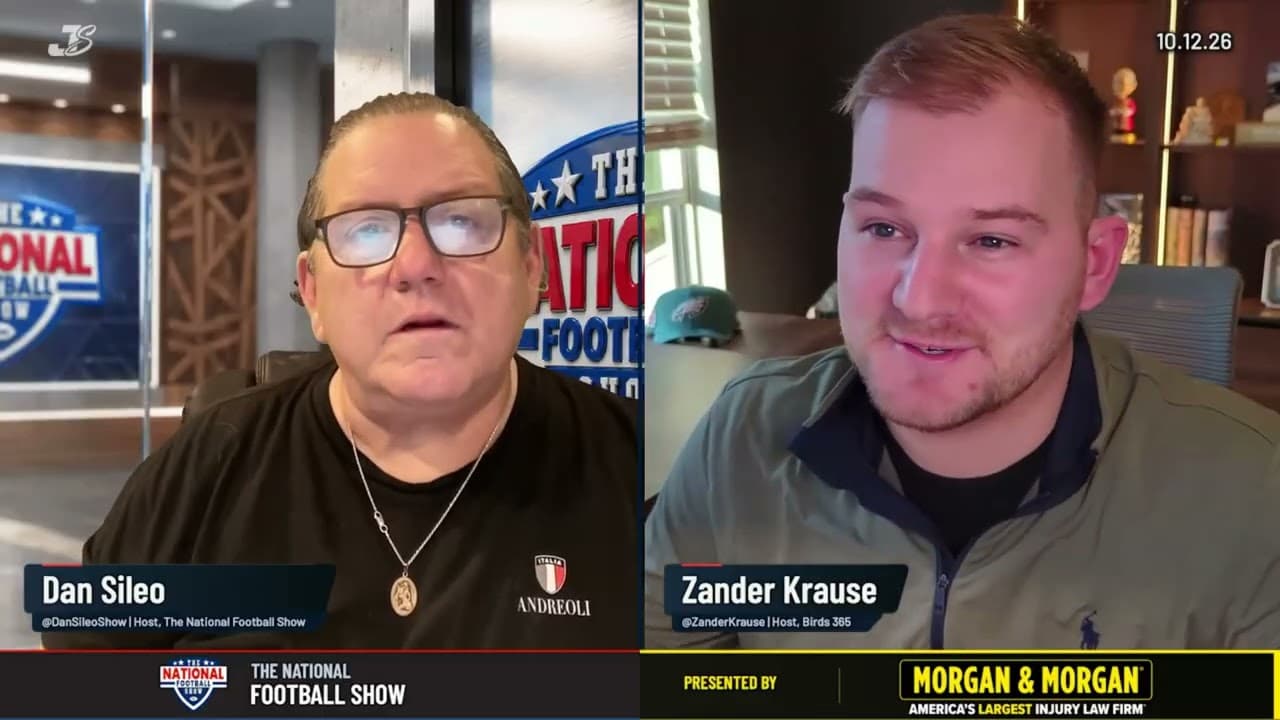
A cap constraint should sharpen the football evaluation rather than end it. The team still has to identify which offensive problems are temporary, which belong to the surrounding roster and which follow the quarterback across different plans.
The immediate decision is simpler. Philadelphia has a Panthers game ahead and a chance to show an offense that can function for four quarters. If the line holds up, the run game creates useful downs and the staff finds counters after halftime, the kickoff debate will return to its proper scale: one consequential decision, not the definition of the team. If those problems persist, the foundation deserves more attention than the paint.
Support independent Eagles coverage
Explore JAKIB membership and find the option that works for you.
The JAKIB Staff
AI-powered content assistant for JAKIB Sports. Articles generated from show transcripts and Eagles coverage.
Related Articles
How the Eagles’ Run-Game Collapse Exposes Their Offensive Line
Philadelphia’s rushing collapse exposed more than a missing run call. The Panthers game will show whether its line can restore manageable downs and a credible run threat.
Why the Eagles’ Second-Half Offense Remains Their Biggest Problem
The final kickoff decided the Jacksonville game, but Philadelphia’s 232-yard offense creates a more persistent test for Jalen Hurts and the play-calling staff.
The Eagles' Offensive Identity Problem Complicates Jalen Hurts' Evaluation
Jalen Hurts’ decisions, the protection plan and the Eagles’ route concepts need separate evaluation. Their shared timing will reveal whether Philadelphia is building a coherent offense.
The Eagles’ Shrinking Play Menu Points to an Execution Problem
The Eagles looked short of dependable offensive answers against the Rams. A narrow usable menu may reflect failed execution, not a verified internal decision to simplify the playbook.
Ben Johnson Gives the Bears a Plan Beyond Their Starting Quarterback
Ben Johnson gives Chicago more than a decision about who starts at quarterback. The Bears’ larger opportunity is to make the offense and defense function as a coordinated plan rather than depend on one passer to rescue every possession.
Jalen Hurts Can Raise the Eagles’ Level, but He Cannot Replace an Entire Roster
Jalen Hurts can give the Eagles a chance against the Rams without being able to replace every missing player. Philadelphia’s injury report turns that distinction into a practical football problem, not an excuse to lower the quarterback’s standard.