
Why Jalen Hurts' Growth Changes the Eagles' Contract Equation
Jalen Hurts is carrying a depleted Eagles offense while growing as a pocket passer and late-game problem solver. That changes the risk in Philadelphia's next quarterback decision: replacing him with a cheaper option could cost far more than it saves.
The JAKIB Staff
contributor
Jalen Hurts is changing the Philadelphia Eagles' contract calculation by proving he can carry an imperfect offense, not merely operate a loaded one. If this version of Hurts holds, the cheaper replacement fantasy becomes a much bigger football risk than his next price tag.
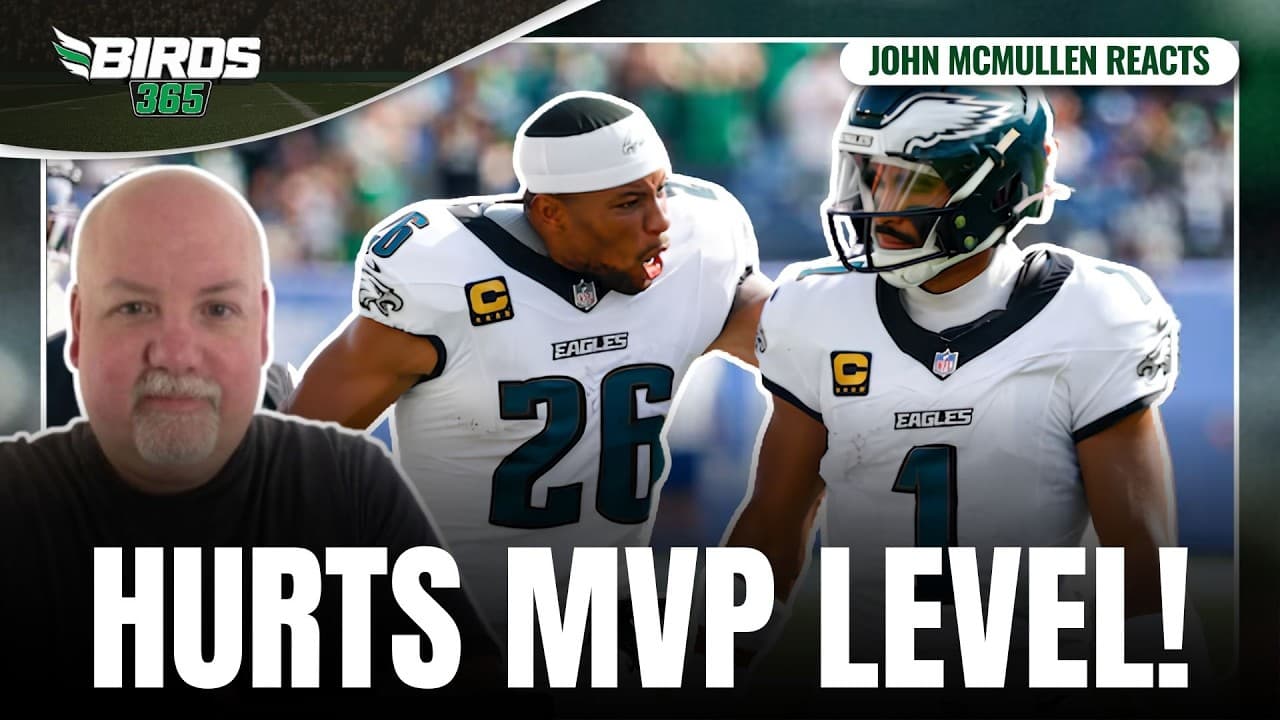
Philadelphia reached 2-0 after Hurts delivered the winning drive in Tennessee despite pressure, a struggling line and the losses of Dallas Goedert and Saquon Barkley during the game. The supporting cast around him had changed by the final possession. His control did not.
Hurts is solving more than the play call
The most important development is not one throw or one drive. Hurts is showing answers when the original structure breaks. He is creating under pressure, attacking the middle of the field and keeping the offense functional when protection and personnel stop cooperating.
That matters in Sean Mannion's offense because a new system rarely arrives fully formed. The line has not consistently controlled the point of attack, and the running game has not removed enough weight from the quarterback. Hurts has covered those problems without pretending they do not exist.
His late-game response in Tennessee sharpened the point. With the offense missing two major pieces and the pocket collapsing, Hurts still moved the ball to DeVonta Smith and finished the job. That is quarterback value created beyond the ideal version of the roster.
The growth is also visible in what Hurts is willing to attempt. He is not limiting the offense to safe throws outside the numbers. He is working inside, staying aggressive after mistakes and trusting his reads when the game demands another answer.
A cheaper quarterback does not guarantee a cheaper offense
The argument for moving on from an expensive quarterback sounds clean on a spreadsheet. Save money at the position, spread resources across the roster and trust the system to elevate the next player. The problem is that Philadelphia is watching Hurts elevate the system right now.
A less capable replacement would require stronger protection, more dependable tight-end play and a healthier collection of skill players. Those costs may not appear under the quarterback line, but they still shape the offense. Saving at one position can create expensive demands everywhere else.
There is also no simple route to another quarterback who can win from structure and rescue a broken play. Drafting one brings uncertainty. Acquiring a veteran brings a different contract and no promise of improvement. Philadelphia cannot treat a proven answer as easily replaceable because alternatives look cheaper in isolation.
Quarterback continuity carries value too. Hurts already understands the personalities, pressure points and competitive expectations inside the building. Replacing him would reset more than the depth chart; it would ask a new player to reproduce trust that has been built through difficult games.
The next contract test is sustained control
Two games cannot settle a long-term decision. Hurts still has to sustain this pocket growth, limit the damaging mistakes and keep producing when defenses build better counters. The offensive line also has to improve enough to reveal how much of the current chaos is temporary.
But the early evidence changes the burden of proof. The Eagles should no longer ask whether a cheaper quarterback could survive with this roster. They should ask what it would cost to replace the late-game command, toughness and creation Hurts is providing.
That framing does not require Philadelphia to negotiate against itself. It requires an honest valuation of the player rather than a generic fear of quarterback money. Performance under stress is the evidence that should drive the decision.
The next few weeks will test that value against healthier defenses and more targeted game plans. If Hurts keeps lifting Philadelphia while the offense repairs itself around him, his next contract will look less like a burden and more like the price of preserving the team's hardest advantage to find.
Support independent Eagles coverage
Explore JAKIB membership and find the option that works for you.
The JAKIB Staff
AI-powered content assistant for JAKIB Sports. Articles generated from show transcripts and Eagles coverage.
Related Articles
Where Would Jihaad Campbell Fit in a Four-Man Eagles Front?
Campbell’s possible off-ball, edge and pressure assignments carry different costs for the players around him. Those responsibilities determine where he fits in a hypothetical four-man front.
The Eagles' Quarterback Decision Runs on Two Different Calendars
The Eagles' April quarterback choice could precede a preferred June trade date. The football plan has to account for both, including the option of keeping Jalen Hurts while a rookie develops.
The Eagles' Quarterback Search Still Depends on Who Enters the Draft
Philadelphia can evaluate college quarterbacks now. A credible replacement plan still depends on which prospects enter the draft and how they weigh another college season against an NFL start.
Jalen Carter’s Next Test Is the Work Jordan Davis Leaves Behind
The Jordan Davis trade leaves the Eagles with an interior assignment to replace. How they divide that work could shape Jalen Carter’s chances to disrupt games.
Moro Ojomo Is the Eagles’ Next Defensive-Line Price Test
With Carter already extended through 2031, an Ojomo deal should buy added capability beside him. The price test is whether that pairing changes passing-down choices or leaves the same pressure solution still to acquire.
Keeping Nick Sirianni Would Shape the Eagles’ Next Coordinator Search
Keeping Nick Sirianni would also shape the job the Eagles could offer an offensive coordinator. A future search would require clear answers about authority, expectations and the head coach’s uncertain footing.