
What Jalen Hurts' GQ Interview Reveals About the Eagles' Offense
Jalen Hurts' GQ interview places Philadelphia's offensive structure under a brighter light. His adaptability is a strength, but the Eagles now have to prove Sean Mannion's system can serve the quarterback instead of forcing another annual reinvention.
The JAKIB Staff
contributor
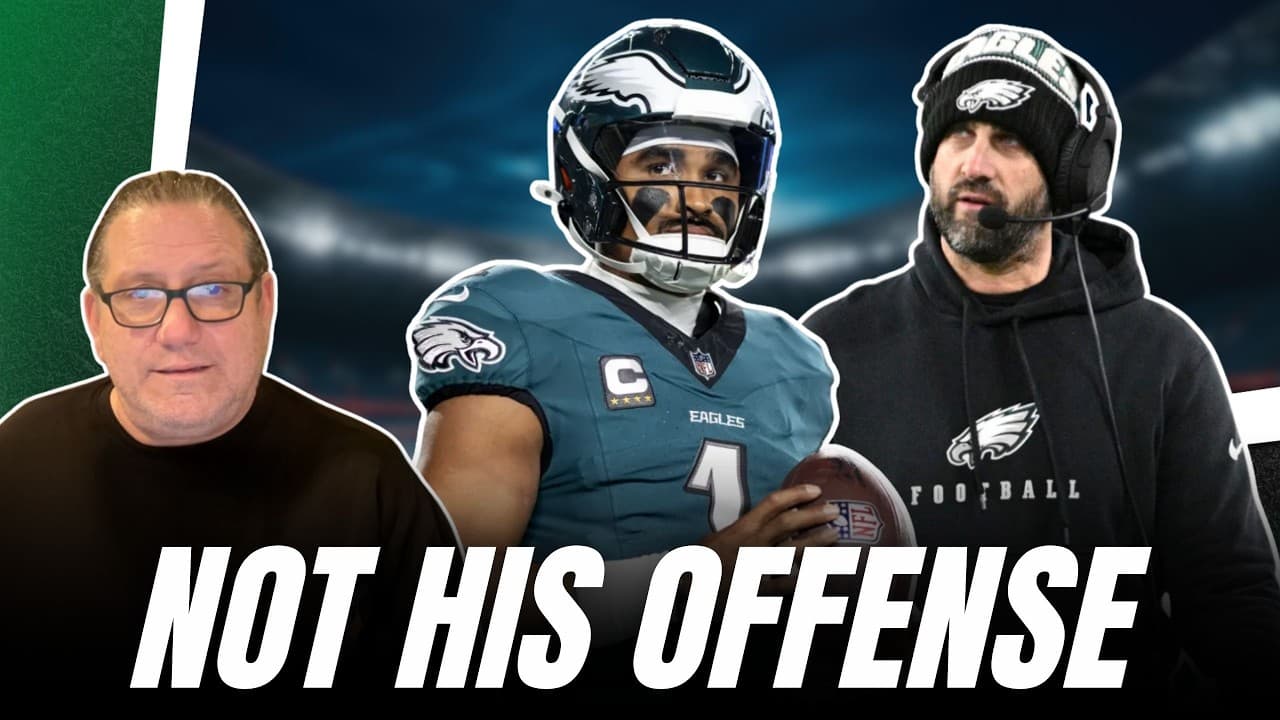
Jalen Hurts' GQ interview reveals a Philadelphia Eagles quarterback who has learned to survive constant offensive change. That adaptability deserves credit, but it also exposes the central question around the 2026 offense: when will the structure begin serving Hurts as reliably as Hurts has served the structure?
The profile describes a player willing to accept responsibility and keep moving rather than relitigate every coaching decision. It also revisits his role inside offenses shaped by different coordinators, different terminology and different priorities. Hurts' message is not a refusal to be coached. It is a reminder that he has repeatedly been asked to adjust.
That context changes how Philadelphia should evaluate early mistakes. Some will belong to the quarterback, others to the installation, and several will come from teammates learning beside him. Honest separation of those causes will keep one bad series from becoming a false verdict on the entire project. The same discipline will show whether weekly corrections are actually improving the offense.
Adaptability has become Jalen Hurts' defining skill
Quarterbacks usually build mastery through repetition. The same concepts return, answers become automatic and the offense develops a shared language. Hurts has often worked through the opposite environment. Each transition requires new footwork, new timing and new ways to solve familiar defensive problems.
That churn makes his steadiness more impressive. He has continued to carry the public responsibility attached to the position while accepting the offense placed in front of him. The useful takeaway from the GQ profile is not that Hurts wants control of every call. It is that his ability to absorb change has helped Philadelphia remain functional through instability.
There is a cost, though. Constant adaptation can prevent a quarterback from developing the layered command that comes from years inside one coherent system. The Eagles have seen strong stretches without establishing a lasting offensive identity around their most important player. Every reset asks Hurts to spend valuable time learning before he can start refining.
Sean Mannion's offense now has to meet him halfway
Sean Mannion enters his first season as Philadelphia's offensive coordinator with a system expected to feature new terminology and more work from under center. Those changes can create answers for a talented offense. They can also become another burden if the scheme values its own design more than the quarterback's clearest strengths.
The early test is practical. Does the offense give Hurts defined reads without making him predictable? Does play action create clean throwing windows? Can the line handle the movement and timing required by the new structure? Those details matter more than winning an abstract argument about whether a system is modern.
Mannion has publicly described his approach as a blend that will keep evolving. That is the right starting point. A blended offense should preserve proven concepts while adding tools that make Philadelphia harder to defend. It should not demand a total personality transplant from the quarterback before the season can function.
Philadelphia needs continuity with accountability
Continuity alone will not solve every offensive problem. Hurts still owns his decisions, accuracy, timing and ball security. Mannion still owns sequencing, answers against pressure and the development of a reshaped group of skill players. Nick Sirianni owns the standard connecting both sides.
The GQ interview makes that division of responsibility clearer. Hurts can adapt again, but adaptation cannot remain the organization's substitute for building something durable. The Eagles need a system that becomes more specific to their quarterback as the season advances, not another temporary framework everyone abandons when trouble arrives.
Philadelphia's offense will reveal its real direction under stress. If Mannion adjusts while Hurts masters the new demands, the interview will look like useful context for a successful transition. If the structure remains rigid, the same comments will become evidence that the Eagles asked their quarterback to carry another reinvention without giving him a stable home.
Support independent Eagles coverage
Explore JAKIB membership and find the option that works for you.
The JAKIB Staff
AI-powered content assistant for JAKIB Sports. Articles generated from show transcripts and Eagles coverage.
Related Articles
Why the Eagles’ Run and Pass Games Aren’t Working Together
The Eagles’ run and pass games aren’t working together when one fails to make the other easier. Against Jacksonville, 22 rushing yards left Jalen Hurts carrying a passing workload that produced too little sustained offense.
Jalen Hurts’ C-Minus Game—and the Offensive Line Behind It
A C-minus is a defensible editorial grade for Jalen Hurts’ uneven afternoon against Jacksonville. But fixing the Eagles’ passing game requires examining the protection and rushing support behind him, not simply circling the quarterback’s name.
Why the Eagles Couldn’t Finish Off Jacksonville
The Eagles couldn’t finish off Jacksonville because their offense stopped giving the defense breathing room. A 19-17 loss turned another winnable afternoon into a reminder that late heroics cannot replace sustained scoring.
Nick Sirianni's Jacksonville Test Starts With Eagles Discipline
Nick Sirianni cannot control every injury entering the Jacksonville game. He can control preparation, penalties and whether the Eagles have useful answers for a changed offensive line.
Cam Jurgens Trade Tests Whether the Eagles Are Building for Now or Later
The Cam Jurgens deal brings valuable future picks but removes a proven center during a difficult offensive-line transition. Philadelphia’s immediate depth will determine what the trade means for this season.
DeVonta Smith's Next Contract Adds Another Eagles Rebuild Decision
DeVonta Smith’s next contract is a roster-building decision, not a referendum on his talent. Philadelphia must price its passing-game future alongside a costly offensive-line transition.