
The Eagles Can Buy for the Future Without Going All-In at the Trade Deadline
Philadelphia can evaluate a long-term contributor without making an all-in bet on this season. The useful question is whether a trade still strengthens the next roster if an immediate turnaround never comes.
The JAKIB Staff
contributor
The Eagles can buy at the trade deadline without treating the rest of this season as an all-in bet. A player who improves Philadelphia now and remains useful later offers a different proposition from a short-term rental purchased to rescue the current record.
That distinction expands the decision beyond the usual buyer-or-seller argument. The Eagles can evaluate the quality of an opportunity separately from the urgency of their immediate problems. A struggling team does not automatically benefit from selling, and a useful acquisition does not automatically require spending as if a championship is close.
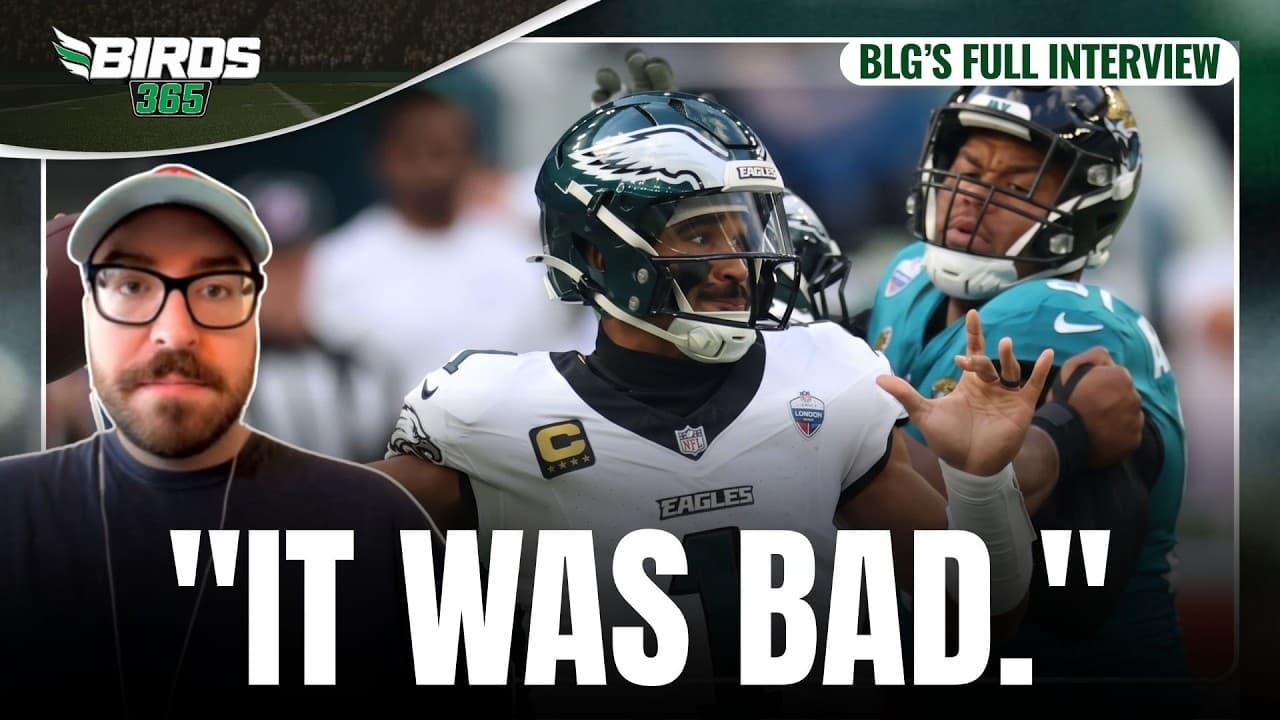
The latest Birds 365 discussion makes that long-term-contributor option central to the debate. It does not identify a confirmed transaction, target or asking price. It establishes a question for evaluating a potential deal: would this player still be a sensible addition if the immediate turnaround never arrives?
Buy the player, not the rescue story
A rental is often judged by the difference it might make over a short competitive window. A longer-term addition also has to fit the roster and resources beyond that window. The same trade cost can look very different depending on which problem the Eagles are trying to solve.
Contract control is part of that calculation, not the complete answer. A player can be available for future seasons and still be a poor fit at the price. Philadelphia would also need to assess the role, the level of play and whether another commitment would create a more pressing limitation elsewhere.
The strongest case for buying is not simply that the offense needs help. It is that the available player addresses a meaningful problem at a cost the Eagles can justify under more than one plausible future. That argument should remain credible even if the next few games make the current season harder to salvage.
The weakest case starts with urgency and works backward toward a target. Pressure to demonstrate action can make an ordinary addition look like an answer it cannot provide. A trade might improve one position without fixing execution, coaching or the other personnel problems surrounding it.
Future value does not make every price reasonable
Draft assets are an alternative use of resources, not a promise of a successful player. Keeping them preserves options. Trading them can convert uncertain future value into a more identifiable role. The decision depends on the quality of the player and the price, not a general rule that one side is always smarter.
The Eagles should therefore compare an acquisition with realistic alternatives. Those might include an internal adjustment, a later roster move or retaining the resource for another need. A deal is not automatically efficient just because its benefits extend beyond the current season.
The same discipline applies to selling. Moving a player might produce an asset while removing a piece that would otherwise matter to the next competitive roster. Philadelphia cannot evaluate that consequence only through the emotion of a frustrating stretch.
There is also no requirement to make the entire roster follow one deadline label. A team can pursue a future contributor and consider moving a different player whose role no longer fits. The individual decisions still require a coherent view of what the organization is building.
The next games should inform the plan, not invent it
Results can clarify how urgently Philadelphia should prioritize the present. They should not replace the work of evaluating a player's longer-term usefulness. The organization can establish its standards before deciding that a particular week demands a dramatically different price.
The approved discussion connects that judgment with the next stretch of games. This analysis makes no prediction about those results and does not turn a possible approach into confirmed front-office intent. The relevant point is that competitive evidence should update the plan rather than make every disappointing afternoon produce a new identity.
For fans, the most useful deadline question is not whether an acquisition proves the Eagles believe in this season. It is what that acquisition would accomplish, how long that benefit could last and which alternatives the cost would remove.
A sensible long-term purchase would give Philadelphia more than a temporary explanation for doing something. It would leave the next version of the roster stronger even if today's problems persist. That is the standard that separates buying for the future from paying for the appearance of a rescue.
Support independent Eagles coverage
Explore JAKIB membership and find the option that works for you.
The JAKIB Staff
AI-powered content assistant for JAKIB Sports. Articles generated from show transcripts and Eagles coverage.
Related Articles
Four Games Could Decide Howie Roseman's Trade-Deadline Approach
Four games could decide how Howie Roseman approaches the trade deadline. The Eagles' next stretch should clarify whether a valuable offer serves a realistic playoff push or a roster that needs a faster reset.
DeVonta Smith's Next Contract Adds Another Eagles Rebuild Decision
DeVonta Smith’s next contract is a roster-building decision, not a referendum on his talent. Philadelphia must price its passing-game future alongside a costly offensive-line transition.
Eagles Can Pursue the NFC East Without Sacrificing Future Trade Value
Philadelphia can compete for the division while evaluating each trade on its merits. The full Cam Jurgens exchange illustrates why future value and immediate roster costs deserve separate scrutiny.
Cam Jurgens Trade Exposes Two Competing Visions of the Eagles' Future
The announced Cam Jurgens trade agreement creates future draft options and immediate protection questions. The better-now argument still needs evidence from the replacement line.
What the Cam Jurgens Trade Changes for the Eagles' Offensive Line
The Cam Jurgens deal adds future picks and financial flexibility. Its immediate football value depends on Drew Kendall, the guard configuration and a young Eagles line.
Why Future Draft Picks Matter in the Eagles’ Cam Jurgens Trade
The Eagles’ return for Cam Jurgens is a bet on patience, not proof that the roster is fixed. Future draft capital can improve Philadelphia’s options while leaving immediate holes on the offensive line.