
Why the Bears' Indiana Stadium Push Faces an NFL Roadblock
The Bears have formally advanced a stadium project in Hammond, but a board vote does not settle the franchise's future. League interests, the Chicago market, travel logistics and the value attached to the Bears' identity create a much harder test beyond the Illinois tax fight.
The JAKIB Staff
contributor
The Chicago Bears have moved their Indiana stadium idea beyond a negotiating threat. Their board voted in June to advance a project in Hammond, but that decision does not settle where one of the NFL's charter franchises will play.
The harder stage now begins. A stadium move across the state line would force the Bears to prove that Hammond protects the club's market power, fan access and long-term value as well as an Illinois solution. Those questions affect more than the McCaskey family. They touch interests shared by the entire league.
The Hammond vote changed the leverage
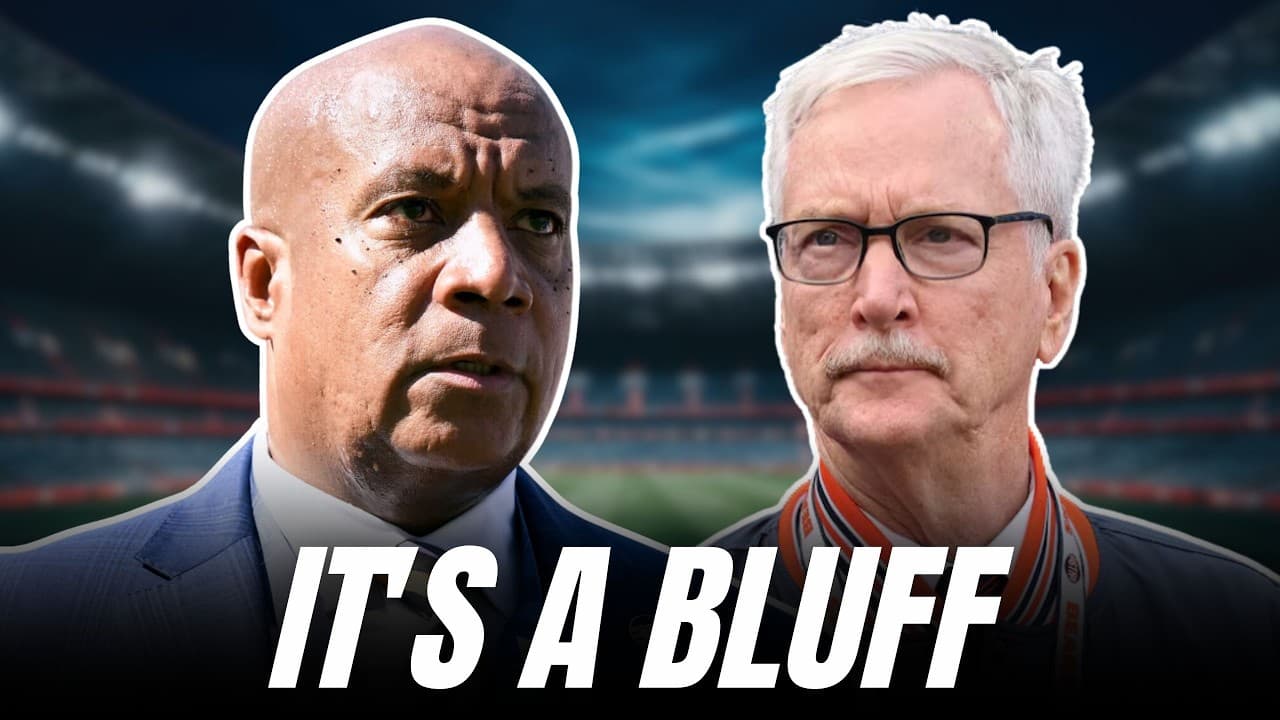
The Bears turned toward Northwest Indiana after Illinois lawmakers ended their spring session without advancing a stadium-authority measure sought by the club. Chairman George McCaskey and president Kevin Warren framed Hammond as a regional project capable of connecting Northwest Indiana, Chicago's South Side and the broader metropolitan area.
That is a serious public position. It also strengthens the Bears' leverage in Illinois by showing that the franchise is willing to develop another path. Arlington Heights remains available, while the Chicago lakefront has stayed part of the wider discussion. Hammond gives the club a third center of gravity.
Leverage, however, is not the same as a completed relocation. The franchise still needs a site, a workable financing structure, transportation answers and a development plan capable of carrying an NFL stadium for decades. Every unresolved detail gives Illinois officials another opportunity to reopen their own proposal.
The league has reasons to scrutinize the move
The Bears are not an ordinary tenant choosing a cheaper address. Their identity is tied to Chicago, their history is central to the league and their value depends partly on one of the country's largest media markets.
Hammond can reasonably claim membership in the wider Chicago region. The Bears themselves used the word "Chicagoland" in announcing the board vote. The league still has to consider whether the site strengthens that connection or weakens it in the eyes of fans, sponsors and future media partners.
That scrutiny is the NFL roadblock. The Bears can approve internal exploration, but a move that changes the club's home state and market presentation cannot be evaluated only through the team's tax bill. Other owners have a stake in protecting the value of every major-market franchise and the precedent created by a founding club crossing a state line.
Logistics can turn identity into a football issue
The Bears' practice facility sits in Lake Forest, north of Chicago. Hammond is southeast of the city. That distance matters for players, coaches, staff and the daily operation surrounding home games.
An organization can solve transportation problems, but every solution has a cost. Players generally live near the facility where they work through the week. A stadium far from that base creates longer game-day movement and complicates the experience for employees whose jobs extend well beyond kickoff.
Fans face a similar test. A destination stadium needs dependable highway and transit access from the population centers that buy tickets and premium inventory. It also needs enough surrounding development to create value throughout the year. The Bears' vision promises that development, but the financing and infrastructure have to turn a regional concept into a usable place.
Chicago identity remains the strongest asset
The most persuasive case against Hammond is not nostalgia by itself. It is the business value of the name Chicago Bears.
That brand carries generations of history from Soldier Field, the city and the broader Illinois fan base. A Northwest Indiana stadium could preserve much of that connection if access is strong and the development feels genuinely regional. It could also create the impression that the club traded its center of gravity for a better public-financing environment.
The NFL has every reason to demand proof before accepting that risk. League leadership will care about franchise value, market reach, sponsorship strength and the likelihood that the stadium improves the national product. Those standards can slow a plan even when a team board wants to move quickly.
The Bears have made Hammond real enough to command attention. Their next burden is much larger: demonstrate that Indiana offers more than negotiating leverage and does not dilute the Chicago identity that makes the project valuable in the first place. Until that case is complete, the board vote is a beginning, not a destination.
Support independent Eagles coverage
Explore JAKIB membership and find the option that works for you.
The JAKIB Staff
AI-powered content assistant for JAKIB Sports. Articles generated from show transcripts and Eagles coverage.
Related Articles
This Day in Eagles History: The Combine That Changed Everything — Carson Wentz Electrifies Indianapolis
NFL Combine Preview: What Eagles Fans Need to Watch For in Indianapolis
Zach Ertz Returns as Eagles Face a Thin Tight End Room
Zach Ertz is back in Philadelphia because Dallas Goedert's knee injury exposed an immediate depth problem. The reunion gives the Eagles a proven receiving option, but it cannot restore everything Goedert supplies.
Dallas Goedert's Injury Makes a Zach Ertz Reunion Worth the Call
Dallas Goedert's injury changes Philadelphia's tight-end math. A Zach Ertz reunion was redundant with Goedert healthy, but an uncertain depth chart and an open roster spot make the call worthwhile now.
The King Joins JAKIB: Howard Eskin on Every Eagles Postgame Show
Howard Eskin joins every JAKIB Eagles Postgame Show with Dan Sileo, host Zander Krause and Eagles reporter John McMullen. Presented by Morgan & Morgan.
Why the Hall of Fame's New System Makes Canton Harder to Reach
The Pro Football Hall of Fame's smaller voter pool and removal of the separate senior lane raise the standard for Canton. Coaches, older candidates and borderline modern players now face a process with less room to build momentum.
Latest from JAKIB Sports
View all articles →Lane Johnson's Hall of Fame Case Is Strong, but First Ballot Is a Separate Question
October 8, 2026
The Eagles' Offensive-Line Reset Changes Jalen Hurts' Leverage
October 7, 2026
Why the Cam Jurgens Trade Leaves the Eagles With Two Different Timelines
October 7, 2026
Why Markel Bell Should Not Be Judged Against Lane Johnson Immediately
October 7, 2026