
Quenton Nelson and Jeffery Simmons Add a New Layer to Bears–Seahawks
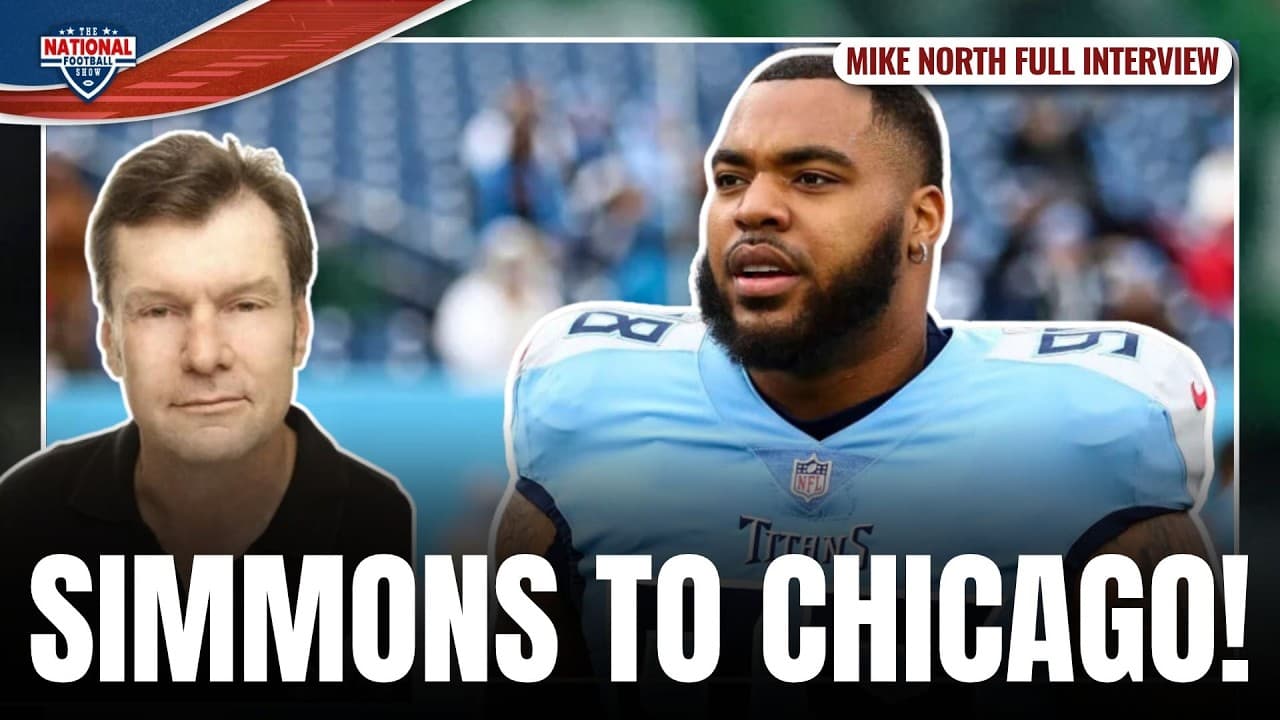
Quenton Nelson and Jeffery Simmons add an interior blocking question to Bears–Seahawks. If available, their assignments could affect protection help, combination blocks and opportunities elsewhere along the front.
The JAKIB Staff
contributor
Quenton Nelson's Seattle move and Chicago's acquisition of Jeffery Simmons put an interior blocking question at the center of Bears–Seahawks. If both are available and their assignments intersect, the protection help Seattle commits inside could change the opportunities elsewhere along the front.
That is a more useful way to judge these additions than expecting a trade announcement to win a game. Nelson and Simmons can influence the same play without engaging each other. Their alignments, neighboring players and responsibilities will shape how often a direct matchup develops.
Seattle has already outlined a change around Nelson: its official offensive-line update puts him at left guard and moves Grey Zabel to the right. That plan changes two neighboring relationships along the line, even before Chicago decides where to deploy Simmons.
The immediate question is what each team can ask its new player to execute. Availability, preparation and the assigned role come before any prediction about impact. A recognizable name does not eliminate the communication required to play beside unfamiliar teammates.
The matchup starts with where Simmons lines up
An interior defender does not stay opposite the same blocker on every snap. Chicago can place Simmons in different gaps or move the front. Seattle's blocking response will depend on that alignment and the protection call.
If Simmons draws an isolated guard, Seattle can evaluate whether that blocker can maintain the pocket without assistance. If the call brings a center over to help, another interior responsibility changes. The benefit of a strong individual blocker can be the freedom to spend help somewhere else.
That makes Nelson's potential value broader than winning a highlight collision. If he can handle an assignment independently, Seattle may have more options for helping another blocker or releasing an eligible receiver. Those choices remain specific to the front and the play.
Chicago, meanwhile, does not need a direct Nelson–Simmons confrontation to test Seattle's communication. A coordinated rush can attack the handoff between adjacent blockers. An interior stunt, for example, asks the protection to pass one defender along while accounting for another entering the gap.
Raw strength alone cannot settle that exchange. The blockers need compatible sets, awareness of their neighbors and a shared response to movement. The defender needs timing with the teammate creating or occupying the opening.
Protection help carries a cost
Seattle can devote extra attention to an interior threat, but that attention is a resource. A center helping one guard cannot provide the same assistance everywhere at once. A back staying in protection gives the quarterback another blocker while reducing the receiving options available immediately.
That is where Simmons could affect a play without recording a sack. If his presence changes where the protection turns, another Chicago rusher may get a more favorable matchup. The opportunity still has to be earned. Drawing attention does not guarantee that a teammate beats his block.
For Seattle, the first objective is preserving room for the quarterback to operate. Interior penetration can take away the space needed to step forward even when the tackles guide edge rushers around the pocket.
A quick throw can reduce that exposure, but it also asks the routes to produce an available target on time. Keeping more blockers in can protect a longer-developing concept while leaving fewer receivers to separate. Seattle's answer should fit the actual rush rather than defaulting to maximum help because Simmons is on the field.
Run blocking creates a different test
The same players face different demands on a running play. A guard may block down, pull or work with a center before one blocker releases toward a linebacker. Chicago's front has to recognize the action while maintaining the responsibilities of the defensive call.
If Nelson and an adjacent blocker combine on Simmons, the timing of that combination matters. Leaving too early can free the defender near the line. Staying together too long can leave a linebacker unblocked in the runner's path.
Simmons, in turn, cannot abandon his assignment simply to chase penetration. A disruptive move that opens the intended running lane can help the offense. Chicago benefits when its interior work keeps the run fits connected and gives the next defender a manageable tackle.
That is the football test for these additions: whether Seattle can execute its combinations and whether Chicago can make the blocking rules harder to carry out. Neither side gets to skip the surrounding assignments because it added a prominent player.
Seattle’s Friday injury report lists Nelson as a full practice participant. That is useful preparation evidence, rather than confirmation of final game status or workload. Chicago has welcomed Simmons into the team, but the assignments and snaps still belong to the coaches.
Before kickoff, the active roster and each player's expected role will establish which version of this matchup is available. Once the game begins, watch where Seattle sends its center's help and when its combination blocks separate. Those decisions will show how the new interior pieces are changing the work around them.
Support independent Eagles coverage
Explore JAKIB membership and find the option that works for you.
The JAKIB Staff
AI-powered content assistant for JAKIB Sports. Articles generated from show transcripts and Eagles coverage.
Related Articles
Jeffery Simmons Gives the Bears More Than Another Run Defender
The Bears’ agreement for Jeffery Simmons remains pending a physical. His potential value extends from interior pressure to protection choices and the coverage options Chicago could gain behind a four-man rush.
Why a Losing Record Can Shrink the Eagles’ Trade Options
At 2–5, the Eagles should evaluate trade targets against more than an attractive asking price. Quenton Nelson’s Seattle move raises a fit question without establishing that Philadelphia made an offer or that he rejected it.
Seattle’s Quenton Nelson Trade Shows What Roster Flexibility Can Buy
Seattle announced a Quenton Nelson trade for two future picks, pending a physical. The Eagles can learn from the value of a defined upgrade without assuming they could copy the deal or explain it through quarterback salary alone.
Jared Goff Gives Minnesota a Reason to Rethink the Blitz
Minnesota's pressure plan against Jared Goff depends on more than sending an extra rusher. Detroit's protection calls and quick answers can exploit the space an aggressive defense leaves behind.
Ben Johnson Is More Than His Trick Plays
Ben Johnson’s value should be judged through the ordinary work of an offense as well as its boldest calls. Eagles fans can apply the same standard to Nick Sirianni without ignoring talent or excusing avoidable risk.
Washington’s Blitz Puts the Eagles’ Backfield on the Spot
Washington’s pressure approach tests the Eagles’ running-back protection. Saquon Barkley is cleared to play, but Philadelphia still needs coordinated answers from its backfield and quarterback.