
Why Jonathan Greenard's Availability Changes the Eagles' Edge Plan
Jonathan Greenard's uncertain Week 1 availability puts immediate pressure on the Eagles' edge rotation. Nolan Smith and Jalyx Hunt now have to turn encouraging camp work into dependable, high-value snaps.
The JAKIB Staff
contributor
Jonathan Greenard was acquired to strengthen the Eagles' edge group, but his uncertain availability for the start of the season changes how Philadelphia must prepare. Vic Fangio's public doubt about Week 1 is more than an injury update. It moves Nolan Smith and Jalyx Hunt from promising pieces in a deep rotation toward players who may have to handle premium snaps immediately.
The Eagles cannot build their opening plan around the version of the defense they hope to have later. They have to organize the front around the players available now. That means defining early-down roles, passing-down combinations, and contingency snaps before the regular season begins.
Greenard Was Added for a Major Role
Philadelphia acquired Greenard from Minnesota during the 2026 offseason, and the Eagles later placed him on the active/physically unable to perform list during training camp. His experience and proven ability made him a natural centerpiece for an edge room that otherwise leans heavily on younger players. The appeal was not only individual production. A healthy Greenard could command attention, create favorable matchups for teammates, and give Fangio flexibility in how he deploys the front.
Uncertainty does not erase that long-term value. It does change the short-term math. The Eagles need to know which combinations can set the edge against the run, rush with discipline, and survive extended drives without losing explosiveness. If Greenard is unavailable, those answers cannot wait until game day.
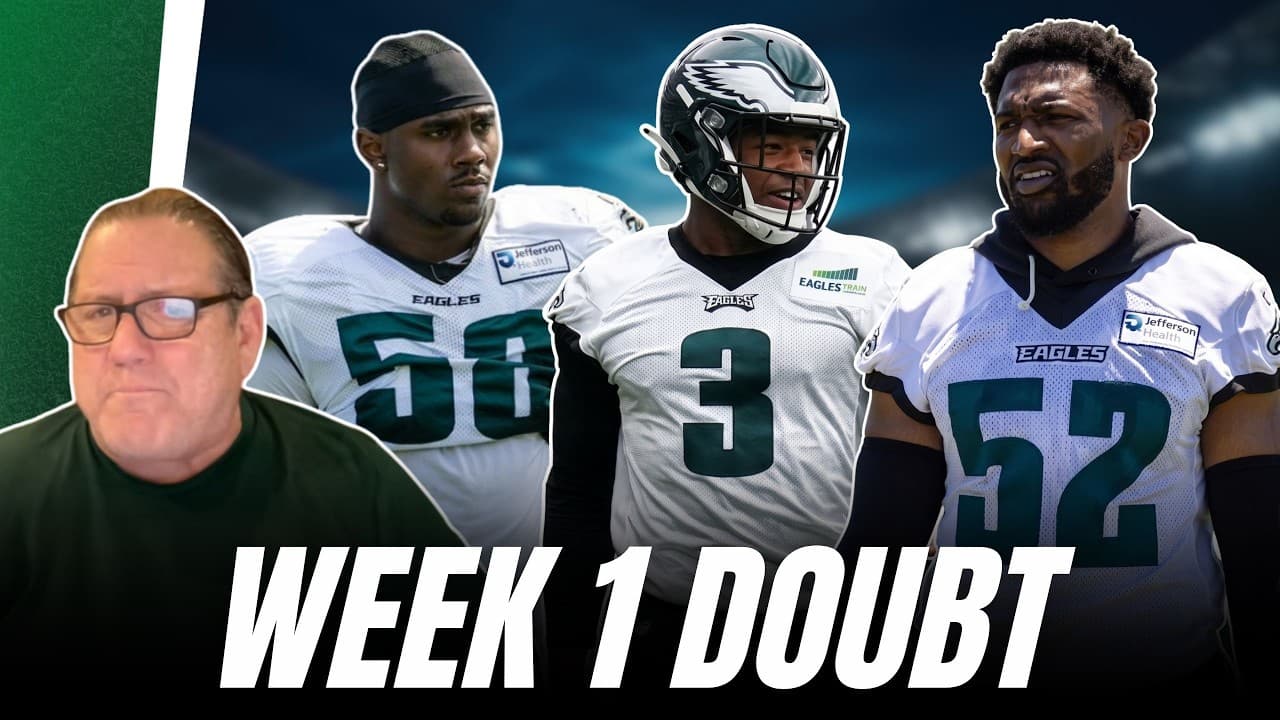
Nolan Smith Has the First Opportunity
Fangio's encouragement about Smith and Hunt is meaningful because both players have the athletic ability to stress an offense. The next step is dependable execution. Smith must translate speed into a complete role: setting a firm edge, maintaining rush-lane integrity, recognizing screens, and finishing when he creates pressure. More snaps bring more chances to make plays, but they also expose every inconsistency.
Smith does not need to imitate Greenard. He needs to become the most reliable version of himself. Philadelphia can use his burst in wide alignments, manufacture matchups through fronts and movement, and let the interior rush help prevent quarterbacks from stepping away. The coaching staff's job is to feature what he does best without allowing opponents to target the parts of his game that are still developing.
Jalyx Hunt Makes the Rotation Work
Hunt's importance grows for a different reason. An edge plan cannot rely on one young player absorbing every available snap. The defense needs a rotation that preserves speed and keeps roles clear. Hunt can earn meaningful work by defending the run consistently and giving Fangio another credible pass-rush option. If he proves trustworthy on early downs, Smith can be deployed more aggressively in selected situations.
That division of labor would also protect the entire defense. A tired edge group compromises contain, opens escape lanes, and places more pressure on the linebackers and secondary. Philadelphia's depth is only real if the next players can execute the full call, not merely flash in isolated camp reps.
The Eagles Need a Week 1 Plan and a Long-Term Plan
Greenard's recovery should be handled on its own timeline. Rushing him back to satisfy a projected depth chart would risk turning a short absence into a larger problem. At the same time, patience with Greenard cannot become uncertainty for everyone else. Smith and Hunt need defined responsibilities now, and the defense needs packages that function without assuming Greenard will be ready.
The best outcome is not simply surviving until a veteran returns. It is using the opening challenge to expand the defense. If Smith and Hunt establish themselves under heavier responsibility, Fangio gains a deeper, more flexible rotation when Greenard is available. The injury question creates pressure, but it also creates a real opportunity for Philadelphia's homegrown edge talent to become central to the 2026 defense.
Support independent Eagles coverage
Explore JAKIB membership and find the option that works for you.
The JAKIB Staff
AI-powered content assistant for JAKIB Sports. Articles generated from show transcripts and Eagles coverage.
Related Articles
How Quinyon Mitchell’s Status Shapes the Eagles’ Plan for Dallas
Monday’s estimated absences at corner leave Philadelphia weighing coverage help against a Dallas offense that already punished the Eagles through the air and on the ground.
What Jonathan Jones’ Pittsburgh Snaps Showed Before Dallas
Jonathan Jones played 35 defensive snaps against Pittsburgh. Two credited incompletions give Philadelphia something specific to assess before Thanksgiving.
Dexter Lawrence's Bengals Impact Sets a Test for the Eagles' Interior
Cincinnati's November 15 defensive sequence gives the Eagles a concrete interior test: distinguish documented team results from an individual defender's demonstrated contribution.
The Eagles’ Defensive Depth Bill Is Coming Due
Philadelphia’s defensive investments still require reliable players around them. The current injury report puts the value of specific replacement roles back in focus.
The Panthers Matchup Tests Both Sides of the Eagles' Protection Problem
Philadelphia has an opportunity to disrupt Bryce Young, but its own protection remains central to the Panthers matchup. Both fronts will shape what the quarterbacks can do.
Jonathan Greenard’s Workload Could Decide the Eagles’ Matthew Stafford Matchup
Jonathan Greenard’s workload could shape whether Philadelphia makes Matthew Stafford rush his decisions or asks its secondary to cover for too long. The Eagles’ defensive plan cannot depend on the mere presence of a pass rusher; it depends on the pressure he can provide during the snaps that decide possessions.
Latest from JAKIB Sports
View all articles →The Third-Quarter Anfernee Simons Run That Put the Pacers Away
November 28, 2026
What Makai Lemon Gave Joe Milton When the Dallas Pocket Broke Down
November 27, 2026
What Quinyon Mitchell Can Take From Covering CeeDee Lamb on Thanksgiving
November 27, 2026
What the Eagles Learned by Going for Two Down Eight in Dallas
November 27, 2026