
Why Philadelphia's First Depth Chart Should Not Settle the Receiver Debate
Philadelphia's first depth chart is a communications document, not a final coaching verdict on the receiver room. Makai Lemon's placement matters far less than the practice, preseason and role-specific evidence that will decide the real rotation.
The JAKIB Staff
contributor
The Eagles' first depth chart should not settle the receiver debate because it is not a final declaration from the coaching staff. It is an early communications document designed to organize a roster before preseason football begins. Makai Lemon's listed position may grab attention, but the real Philadelphia receiver rotation will be decided by practice performance, role fit and game evidence.
That disclaimer is easy to ignore because a depth chart looks official. Names appear in columns, players are stacked in order and the format invites immediate winners-and-losers analysis. The document still has limited authority. It can reflect broad roster expectations, but it cannot capture every package, every alignment or every opinion inside the coaches' meeting room.
Makai Lemon's Listing Is a Starting Point
Lemon's prominent placement is not meaningless. The Eagles invested in him because they believe his receiving skill can translate, and early placement tells us he belongs in the conversation. It does not tell us how many snaps he will play, which receiver position he will own or whether he has already passed every veteran competing for work.
Rookies must prove more than talent. They have to learn the formation language, handle adjustments, block with the required effort and earn the quarterback's trust. A preseason depth chart cannot measure whether Lemon will make the correct conversion against a disguised coverage in Week 1. Only reps can answer that.
Darius Cooper Has Built a Real Camp Case
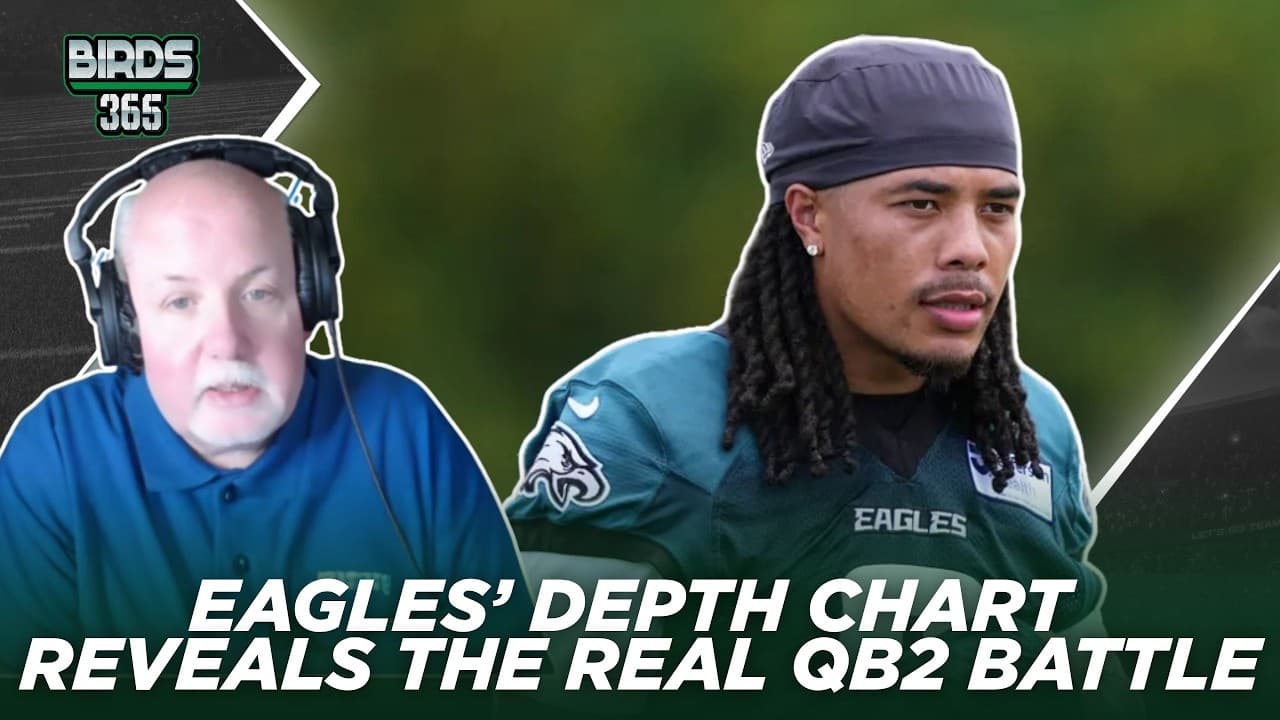
Darius Cooper gives the debate substance because his camp production has kept him in the picture. The receiver room cannot be evaluated only through draft status or the order of names on a page. A player who consistently wins practice reps, executes assignments and gives the offense a dependable target forces the coaches to reconsider any comfortable preseason assumption.
Cooper's path also shows why the depth chart can become outdated almost immediately. A strong week of practice or a productive preseason game can change the rotation faster than a communications staff can publish another document. The Eagles need production, and they have every reason to reward the receiver who provides it.
Roles Matter More Than a Single Ranking
Receiver competition is not always a race for one universal third-place slot. Philadelphia can use different players for different jobs. One receiver may be the better outside option, another may create separation from the slot and another may dress because of special-teams value. The useful question is not simply who is third. It is who helps the offense in each package.
That is especially important in an offense installing new progression rules. The quarterback needs receivers to arrive at the correct landmarks on time. A player can produce a highlight catch and still lose snaps if the details are unreliable. Conversely, a less celebrated receiver can secure a role by being exactly where Hurts expects him to be.
Preseason Will Supply the Better Evidence
The first preseason games will reveal information the paper depth chart cannot: who plays early, who works with which quarterback, who handles multiple alignments and who stays on the field in critical situations. Snap order is not a final verdict either, but it comes directly from coaching decisions and therefore carries more weight.
Philadelphia should welcome the uncertainty. Lemon has an opportunity to justify the early attention. Cooper has an opportunity to turn a strong camp into a defined role. Other receivers can still force their way into the plan. Competition should sharpen the details, and those details will matter when the offense needs a trustworthy answer beyond its established targets. The Eagles' first depth chart gives everyone a convenient picture, but the receiver debate belongs to the field. Let the practices and preseason snaps settle it.
Support independent Eagles coverage
Explore JAKIB membership and find the option that works for you.
The JAKIB Staff
AI-powered content assistant for JAKIB Sports. Articles generated from show transcripts and Eagles coverage.
Related Articles
A First-Round Quarterback Wouldn’t Fill the Eagles’ Other Roster Holes
A first-round quarterback would leave Philadelphia with important work at other positions. Separating starting upgrades from competition and depth gives the Eagles a more useful plan than treating one selection as a complete reset.
The Eagles’ Defensive Depth Bill Is Coming Due
Philadelphia’s defensive investments still require reliable players around them. The current injury report puts the value of specific replacement roles back in focus.
The Eagles’ Scripted First Play Raised a Communication Problem
Philadelphia’s opening sack against Carolina raised questions before pressure arrived. The correction starts with a shared call and a clear answer to pressure.
The 2017 Eagles' Locker-Room Lesson for a Team Losing Its Leaders
The 2017 Eagles offer a useful example of players supporting one another in crisis. Applying that lesson today requires a fair evaluation of Jordan Mailata and honesty about what outsiders cannot know.
Jalen Hurts Ruled Out vs. Panthers: What the Eagles Have Confirmed
The Eagles ruled Jalen Hurts out against Carolina after a follow-up ultrasound. The team timeline clarifies the London trip while treatment and a return date remain unresolved.
Tanner McKee's Opportunity Arrives With Hurts Out Against Carolina
Tanner McKee prepares to face Carolina with Jalen Hurts out. Philadelphia must settle its quarterback depth and build a passing plan around the available starter.
Latest from JAKIB Sports
View all articles →Quenton Nelson and Jeffery Simmons Add a New Layer to Bears–Seahawks
October 31, 2026
Jared Goff Gives Minnesota a Reason to Rethink the Blitz
October 30, 2026
Ben Johnson Is More Than His Trick Plays
October 30, 2026
Washington’s Blitz Puts the Eagles’ Backfield on the Spot
October 30, 2026